


 Samsung Electronics Eyes Record Q1 Profit Amid AI-Driven Chip Boom
  U.S. Disrupts Russian Military Hackers' Global DNS Hijacking Network
  MATCH Act Targets ASML and Chinese Chipmakers in New U.S. Export Crackdown
  Microsoft's $10 Billion Japan Investment: AI Infrastructure and Data Sovereignty Push
  Elon Musk Ties SpaceX IPO Access to Mandatory Grok AI Subscriptions
  Anthropic Fights Pentagon Blacklisting in Dual Federal Court Battles
  Apple's Foldable iPhone Faces Engineering Setbacks, Mass Production Timeline at Risk
  China's Push to Steal Taiwan's Chip Technology and Talent Raises Security Alarms
  Rubio Directs U.S. Diplomats to Use X and Military Psyops to Counter Foreign Propaganda
  California's AI Executive Order Pushes Responsible Tech Use in State Contracts
  Australia's Social Media Ban for Under-16s Sparks Global Movement
  China's AI Stocks Surge as Zhipu and MiniMax Hit Record Highs
  NASA's Artemis II Mission: First Crewed Lunar Journey Since Apollo
  Bank of America Identifies Top Asia-Pacific Semiconductor Stocks Poised for AI-Driven Growth
  Apple Turns 50: From Garage Startup to AI Crossroads
  SpaceX Eyes Historic IPO at $1.75 Trillion Valuation


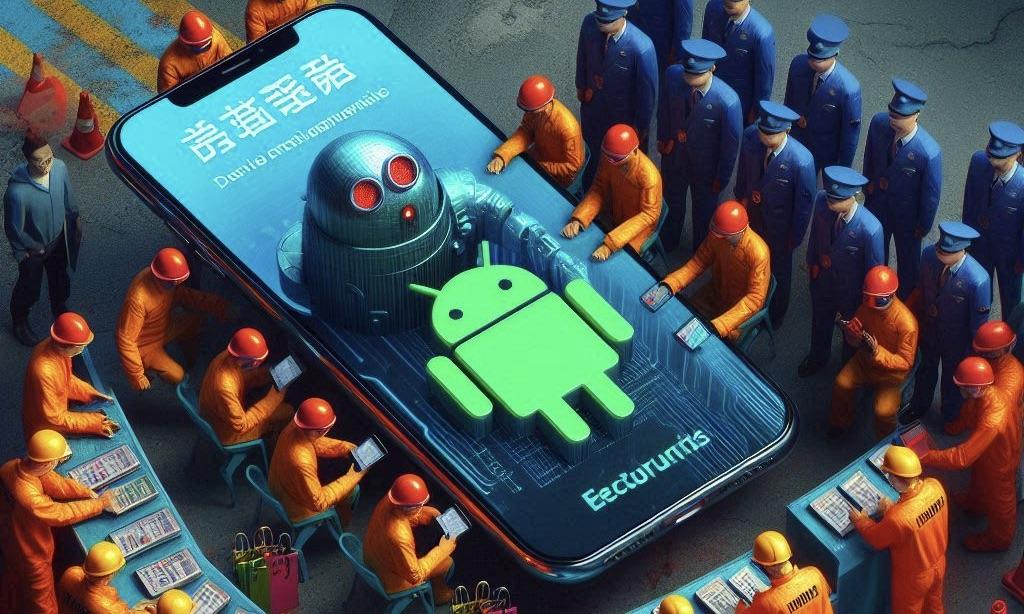
Microsoft is requiring all employees in China to switch from Android smartphones to iPhones, starting in September, as part of its Secure Future Initiative aimed at enhancing security.
Microsoft Enforces iPhone Transition for China Employees to Bolster Security Measures
Microsoft has mandated that all employees in China cease using Android smartphones in the workplace, forcing them to permanently transition to iPhones.
This directive is part of the company's Secure Future Initiative, which is dedicated to maintaining robust security. Given that non-iOS devices are at a higher risk of breaches, Microsoft sees this measure as a logical step.
According to Bloomberg's most recent report, Microsoft's personnel in China will be required to adjust to using iPhones daily starting in September of this year. An internal memo revealed that employees currently using Android handsets, including those manufactured by Xiaomi or Huawei, will receive an iPhone 15 as a one-time replacement.
Reports also indicate that Microsoft is establishing collection points throughout its offices in China to facilitate this transition. This strategy is not limited to mainland China but applies to Hong Kong.
Microsoft Cites Security and Ecosystem Cohesion for Mandating iPhones in China
The rationale behind the switch is practical; Microsoft has restricted access to app platforms operated by Huawei or Xiaomi and now requires employees to use iPhones to access the Microsoft Authenticator password manager and its Identity Pass application.
The fragmented nature of Android and the differences between the Chinese and foreign mobile ecosystems have made it challenging for Microsoft to implement a more robust security protocol. Monitoring is significantly simplified with iOS, as its integrated features allow for better security oversight.
AppleInsider reports (via Wccftech) that Microsoft has operated in the region since 1992, establishing a solid presence. However, the company has to publicly announce this latest move or disclose the number of employees in China.
It is noted that Microsoft's largest R&D center outside the United States is located in China, further justifying the switch to iPhones. Additionally, Microsoft has announced efforts to isolate vulnerabilities in the cloud, thereby increasing the difficulty of cyberattacks and breaches.
Photo: Microsoft Bing







