


 US 10-Year Treasury Yield at 6% Emerges as New Market Risk Threshold
  Databricks to Invest $350 Million in Singapore AI Expansion
  Gold Drops Over 1% as Dollar, Treasury Yields Surge on Fed Rate Hike Bets
  Meta CEO Zuckerberg Backs Independent AI Safety Reviews Over Development Slowdown
  Westinghouse Targets $50 Billion Valuation in U.S. IPO
  SpaceX Nasdaq 100 Weight to More Than Double in Rebalance
  Gold Prices Rise as Oil Slide Eases Fed Rate Hike Fears
  Asian Stocks Mixed Ahead of Trump-Xi Meeting
  NASA, Boeing Discuss Expanding Starliner Missions
  Tencent Launches TenPayGo Payment App for Foreign Tourists in China
  SoftBank Raises $11.1 Billion in Bond Sale to Fund OpenAI Investment
  South Korea, US Discuss Warship Building Cooperation
  Anthropic’s Claude Discovers CRISPR-Like Enzyme System
  US Northeast Airports Resume Operations After Telecom Outage Disrupts Thousands of Flights
  Asian Stocks Fall as Bond Yields Surge Ahead of Trump-Xi Summit
  U.S. 10-Year Treasury Yield Hits 2007 High as Fed Rate Hike Bets Rise
  Asian Currencies Mixed as Dollar Holds Near Two-Month High


 Add as a preferred source on Google
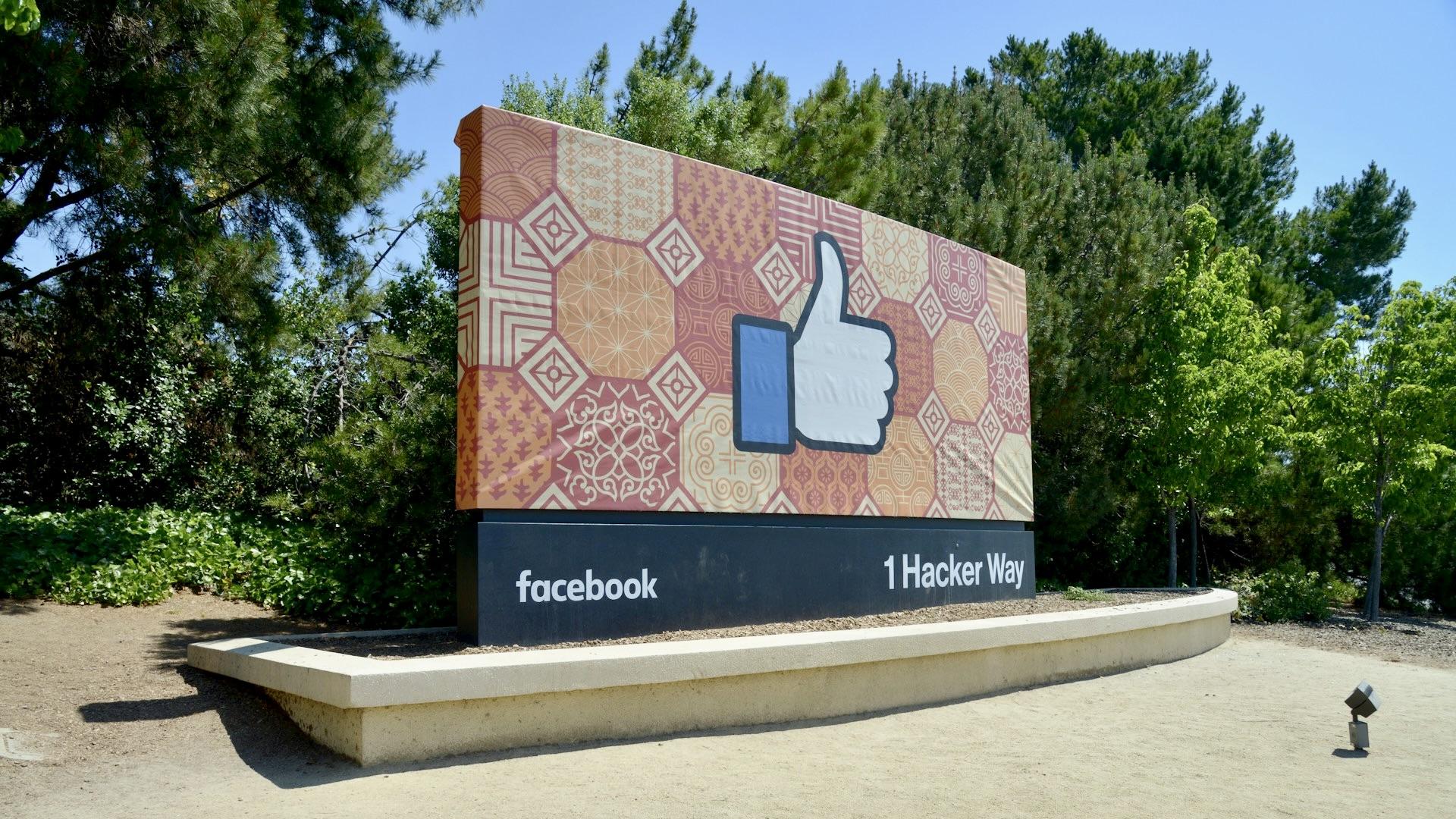
Meta is turning to nuclear power to address its growing AI and data center energy needs, planning to add up to 4 GW of U.S. nuclear capacity by the early 2030s as energy demand triples.
Meta Looks to Nuclear Energy for AI and Environmental Goals
Joining the ranks of other major tech companies showing interest in nuclear power in anticipation of an anticipated surge in electricity demand, Meta announced on Tuesday that it is soliciting proposals from developers of nuclear power as a means to achieve its environmental and artificial intelligence objectives, Reuters reports.
In a press statement, the business stated its intention to increase the United States' nuclear generation capacity by 1 to 4 gigawatts beginning in the early 2030s. About 1 gigawatt is the usual capacity of a nuclear power station in the United States.
"At Meta, we believe nuclear energy will play a pivotal role in the transition to a cleaner, more reliable, and diversified electric grid," a release from the company stated.
Surging Data Center Energy Demands and Industry Challenges
In the United States, data center power consumption is projected to almost quadruple from 2023 to 2030, necessitating around 47 gigawatts of additional generation capacity, as estimated by Goldman Sachs.
Companies confront a number of challenges when trying to use nuclear reactors to quickly meet the increasing demand for electricity. These include local opposition, a potentially overworked U.S. Nuclear Regulatory Commission, and difficulties in obtaining uranium fuel.
In September, Microsoft and Constellation Energy made headlines when they announced a partnership to reactivate a data center unit at Pennsylvania's Three Mile Island plant. This would be a first of its kind. That news came after Amazon.com and Talen Energy had already reached a comparable arrangement in March, when the former bought a data center fueled by nuclear power.
Meta Seeks Innovative Nuclear Solutions
Per Investing.com, Meta is looking for developers that have experience in community participation, development, and permitting. They could be interested in either smaller modular reactors, which are a new and uncommercialized sector of the industry, or larger nuclear reactors like the ones in the United States today.
According to Meta, developers interested in participating in the request for proposals have until January 3, 2025, to submit their entries.
Nuclear Energy’s Long-Term Potential for Clean Power
The business justified its use of the RFP process by pointing out that nuclear power plants are more expensive to build, take longer to complete, and are subject to stricter regulations than other forms of renewable energy, such as wind and solar power.
"An RFP process will allow us to approach these projects thoroughly and thoughtfully with these considerations in mind," according to the report.







