


 Jefferies Upgrades Sodexo to Buy With €55 Target After Historic CEO Appointment
  Cybersecurity Stocks Tumble After Anthropic's Claude Mythos AI Leak Sparks Market Fears
  Federal Judge Blocks Pentagon's Blacklisting of AI Company Anthropic
  Apple Turns 50: From Garage Startup to AI Crossroads
  Fonterra Admits Anchor Butter "Grass-Fed" Label Misled Consumers After Greenpeace Lawsuit
  Microsoft Eyes $7B Texas Energy Deal to Power AI Data Centers
  Ukrainian Drones and the #MadeByHousewives Movement: Kyiv Fires Back at Rheinmetall CEO
  RBC Capital: European Medtech Firms Show Minimal Middle East and Energy Risk Exposure
  SMIC Allegedly Supplies Chipmaking Tools to Iran's Military, U.S. Officials Warn
  Cathay Pacific Holds Firm on Flight Capacity Amid Middle East Conflict and Rising Fuel Costs
  Nike Beats Q3 Estimates but China Weakness and Margin Pressure Weigh on Outlook
  Nomura Upgrades PDD Holdings to Buy, Calls Stock Too Cheap to Ignore
  BlackRock CEO Larry Fink Earns $37.7 Million in 2025 Amid Record Growth
  Brown-Forman and Pernod Ricard in Merger Talks to Create World's Largest Spirits Giant
  TSMC Japan's Second Fab to Produce 3nm Chips by 2028
  McDonald's and Restaurant Brands International Face Headwinds Amid Iran Conflict and Rising Costs
  KPMG UK Cuts 440 Audit Jobs Amid Low Attrition and Cooling Professional Services Demand


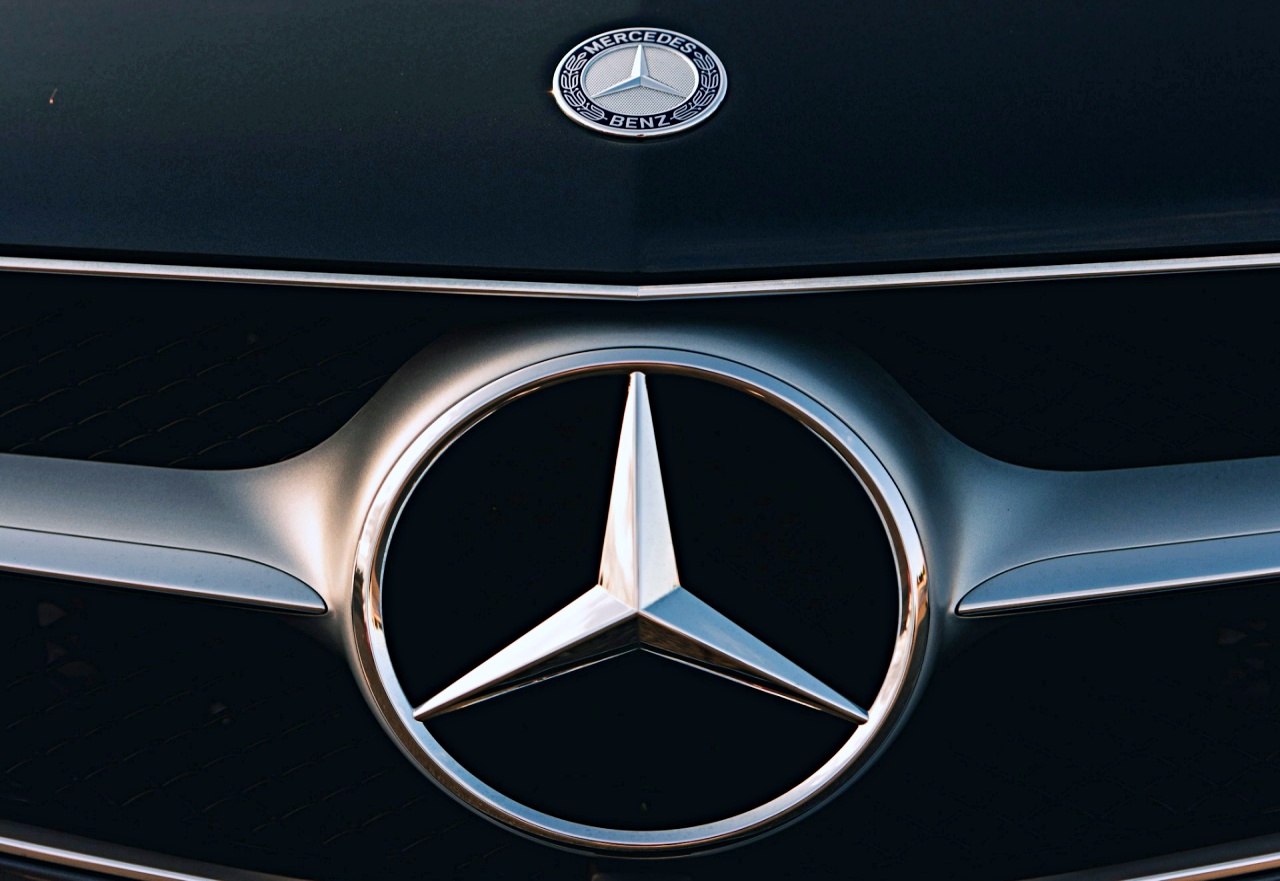
Goldman Sachs continues to back Europe’s premium automakers, naming Mercedes-Benz and BMW as its preferred choices as the industry faces stricter CO₂ regulations, shrinking electric-vehicle market share in China, and rising tariff pressures. According to the brokerage, both luxury manufacturers are well positioned thanks to strong balance sheets, favorable product cycles, and the flexibility to shift production across regions as global conditions evolve.
Goldman Sachs noted that emissions compliance poses a smaller challenge for premium brands compared to mass-market automakers. BMW is on track to meet its 2025–2027 EU emissions goals under the bloc’s three-year averaging mechanism, supported by growing battery-electric vehicle adoption within its lineup. The analysts also emphasized that concerns over declining Chinese market share for German automakers are often overstated, as most of the loss is concentrated in the EV segment, where local Chinese manufacturers have advanced rapidly. Despite this, Mercedes, BMW, and Volkswagen have actually strengthened their internal-combustion engine market positions in China over the last five years.
Since 2019, premium brands have lost only about 0.5 percentage points of total market share, a significantly smaller drop compared to the 5-point decline for Volkswagen and the steep 8-point decline for Japanese manufacturers. Looking ahead, Goldman Sachs believes that new platform launches from both Mercedes and BMW will enhance competitiveness. Mercedes’ MMA and MB.EA platforms are expected to lower battery costs by roughly 30% per kWh, while BMW’s upcoming Neue Klasse aims for a 30% increase in driving range, 30% faster charging, and a 20% cut in production costs.
The report also highlighted that Mercedes, BMW, and Renault continue to hold strong net cash positions despite weakened valuations in the broader auto sector. Goldman Sachs added that the implied enterprise values of their core automotive units are now negative, further underscoring potential value opportunities. Overall, the brokerage views Mercedes, BMW, and Renault as better equipped to manage the sector’s major risks, supported by robust product pipelines and consistent cash generation.







