


 TSMC Accelerates 2nm Expansion as AI Chip Demand Surges
  Binance Expands MarsCoin With Tokenized SpaceX Share Rewards
  Toyota Global Sales Fall for Seventh Month as China Demand Slumps
  Lindt Slashes 2026 Sales Growth Forecast as European Demand Weakens
  HUTCHMED, AstraZeneca Seek FDA Approval for Lung Cancer Combo
  BitMine Ethereum Holdings Top 6 Million ETH After $46 Million Purchase
  Anthropic Targets $2 Trillion Valuation in Planned IPO
  Nvidia China Chip Sales Report Sends Chinese Semiconductor Stocks Lower
  Pi Network Price Holds $0.087 as Protocol 28 Mainnet Upgrade Nears
  CSL Partners With AWS to Bring AI Into Drug Research
  Citigroup Expands Coinbase Partnership for Stablecoin Payments
  Chainlink Launches CCIP 2.0 With Enhanced Cross-Chain Security
  Stellar Hits Record 217 TPS as Institutional RWA Activity Surges
  Nidec Shares Plunge on Report of $6.3 Billion Impairment Charge
  Pepco Raises FY26 Earnings Outlook, Unveils €400 Million Buyback
  Franklin Templeton Partners With Bybit for Tokenized Fund Collateral
  RedotPay Completes Audits as Stablecoin Firm Advances U.S. IPO Plans


 Add as a preferred source on Google
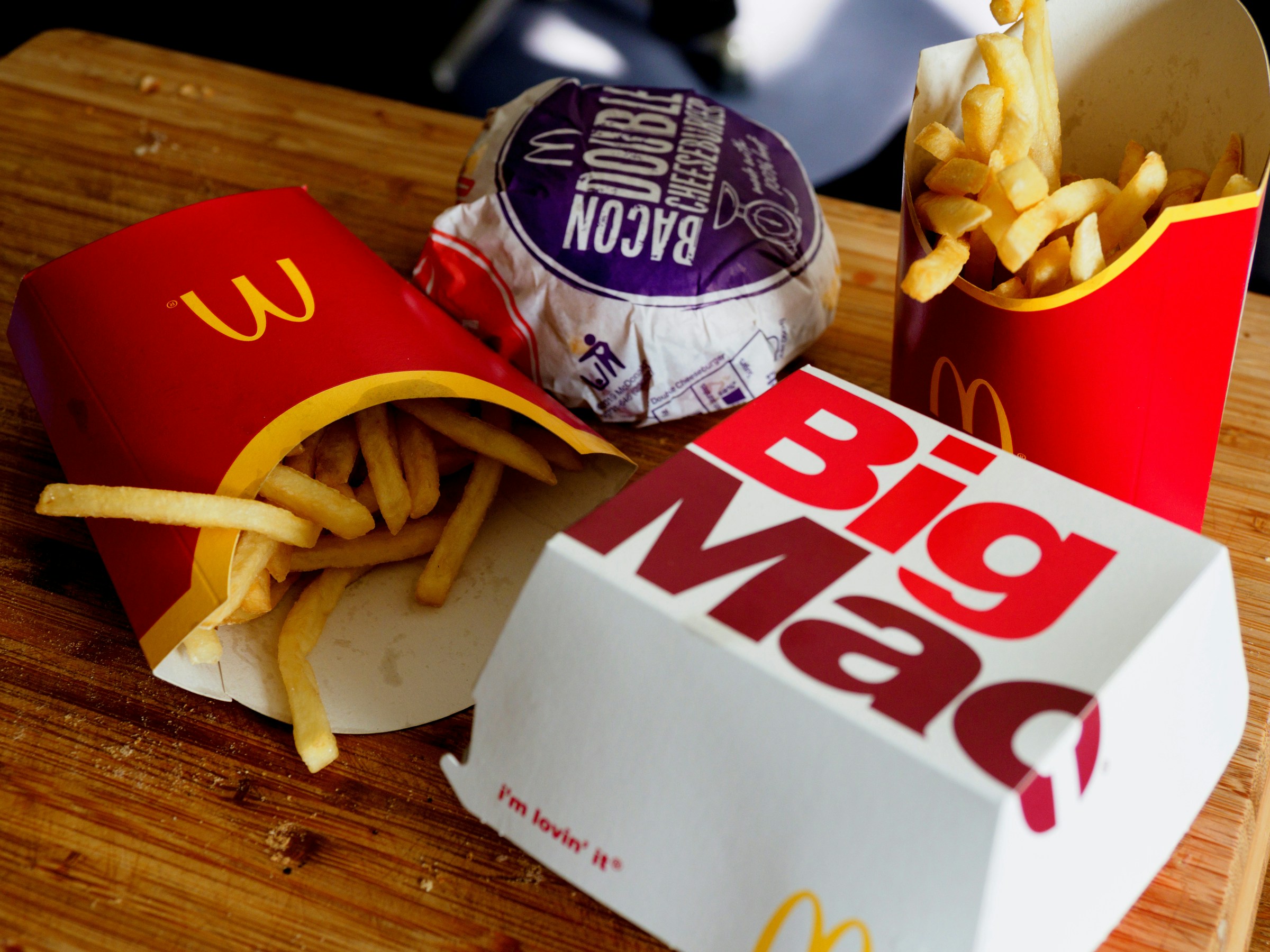
Fast food prices have increased, leading to a surge in customer complaints. In response, McDonald's CEO Chris Kempczinski has announced a new strategy for the future.
Rising Costs and Underwhelming Results
The increasing food and labor costs have caused prices to soar across fast-food restaurants nationwide. This has resulted in a visible backlash, with McDonald's and other major brands experiencing disappointing performance in the fourth quarter. Yum Brands, the parent company of KFC, Taco Bell, and Pizza Hut, also reported weaker-than-expected growth.
Kempczinski revealed that customers earning $45,000 yearly or less have been visiting less frequently and spending less. As grocery prices stabilize, these customers are more inclined to eat at home.
Recognizing this trend, McDonald's aims to regain their loyalty by focusing on affordability.
Emphasizing Low-Cost Options
NBC Chicago reported that McDonald's plans to launch marketing campaigns highlighting its low-cost menu items to entice customers into its stores. Chief Financial Officer Ian Borden stresses that the company will prioritize consumer preferences and maintain competitive pricing.
Yahoo reported that rising inflation and food costs have forced popular burger chains like McDonald's to raise prices. This shift has disappointed casual customers and long-time fans who relied on the brand's affordability. Social media is abuzz with comparisons between the cost of a single hash brown and three pounds of potatoes, both priced at around $3. In some cases, such as the McDonald's menu in Darien, Connecticut, a Big Mac meal can cost a staggering $18. Families of four now spend up to $100 for a once budget-friendly meal.
As diners navigate the ever-changing economy, rising costs have left McDonald's fans in a perpetual state of mourning for the loss of the beloved Dollar Menu. With the economic landscape in flux, affordability remains a key concern for consumers.
Despite the challenges, McDonald's is determined to address customer concerns and regain trust. The company aims to adapt to the evolving market and ensure affordability by staying consumer-led in its pricing decisions.
Photo: Brett Jordan/Unsplash







