


 Glastonbury is as popular than ever, but complaints about the lineup reveal its generational challenge
  Heritage, desire and diplomacy: why China still values scotch whisky
  ‘Buy now, pay later’ doesn’t feel like debt. For young people, that can be a big problem
  How to support someone who is grieving: five research-backed strategies
  6 simple questions to tell if a ‘finfluencer’ is more flash than cash
  Office design isn’t keeping up with post-COVID work styles - here’s what workers really want
  The pandemic is still disrupting young people’s careers
  The ghost of Robodebt – Federal Court rules billions of dollars in welfare debts must be recalculated
  Locked up then locked out: how NZ’s bank rules make life for ex-prisoners even harder
  Booked to travel through the Middle East? Here’s why you shouldn’t cancel your flight
  Yes, government influences wages – but not just in the way you might think
  Can your cat recognise you by scent? New study shows it’s likely
  1 in 3 uni students experience serious financial hardship. Could concession cards for all help?
  Why have so few atrocities ever been recognised as genocide?
  The Beauty Beneath the Expressway: A Journey from Self to Service


 Add as a preferred source on Google
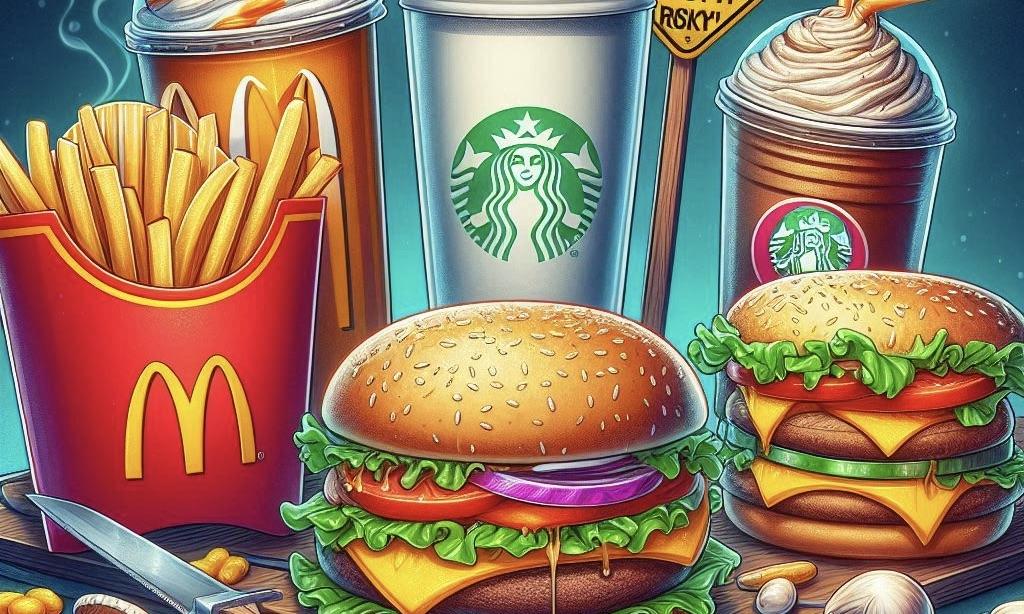
As fast food continues to dominate diets worldwide, health experts are raising alarming questions about whether popular items from McDonald’s, Burger King, Starbucks, and other fast food chains could contribute to the onset of aggressive, rapidly developing cancers, commonly referred to as “turbo cancer.” The controversial term has sparked a debate over whether the convenience of fast food could come with hidden health risks far greater than previously understood.
In recent years, many have questioned the role of highly processed foods in increasing cancer risk, with new claims that certain additives and preservatives in fast food could accelerate cancerous growths in the body. Although the term "turbo cancer" is not officially recognized in medical literature, it refers to fast-growing cancers that progress at a shocking rate, leaving patients with little time for intervention.
McDonald’s: Processed Meat and Carcinogens
When you think of McDonald’s, the Big Mac or Chicken McNuggets probably come to mind. However, health experts are now warning about the carcinogenic risks of processed meats used in these popular items. Studies have linked processed meats, such as those found in McDonald’s burgers and breakfast sandwiches, to an increased risk of cancer.
Nitrites and other preservatives used to keep fast food fresh are considered possible contributors to the development of cancer cells. When consumed in large amounts, these substances can build up in the body and potentially speed up the growth of tumors. While McDonald’s offers some healthier options, the high-fat, highly processed meals still pose a concern.
Burger King: Grilled Meats and High-Fat Diets
At Burger King, the Whopper remains a fan favorite, but the grilling process used to make this signature burger may have unexpected health consequences. Grilled meats, especially those cooked at high temperatures, can produce harmful compounds like heterocyclic amines (HCAs) and polycyclic aromatic hydrocarbons (PAHs)—both of which have been linked to cancer.
Additionally, the high-fat content found in many fast food meals can lead to obesity, which is a known risk factor for various types of cancer. Over time, a diet high in unhealthy fats and low in essential nutrients can create an environment in the body that fosters cancerous growth.
Starbucks: Sugary Drinks and Cancer Risk
While Starbucks is renowned for its coffee, many of its signature drinks, such as the Caramel Frappuccino or Mocha Latte, are loaded with sugar. Excessive sugar intake has been associated with inflammation, which can potentially lead to the development of cancer. A high-sugar diet can increase insulin levels, which some studies suggest may accelerate the growth of cancer cells, possibly contributing to the "turbo cancer" phenomenon.
Sugary beverages can also lead to obesity, a key factor in cancer progression. For those concerned about their cancer risk, experts recommend opting for lower-sugar beverages, such as black coffee or unsweetened teas.
Dunkin’: Processed Ingredients and Additives
At Dunkin’, many of the breakfast options, including donuts and breakfast sandwiches, contain processed meats, high sugar content, and artificial additives that may pose cancer risks. While occasional consumption may not cause immediate harm, a diet high in these ingredients over time may increase the likelihood of cancer development.
Is Fast Food Linked to Turbo Cancer?
While no concrete evidence currently links fast food directly to "turbo cancer," health professionals continue to urge caution. The combination of high-fat foods, processed meats, sugary beverages, and artificial preservatives found in fast food may contribute to an environment that promotes cancer growth. Researchers are calling for more in-depth studies to explore the potential link between frequent fast food consumption and rapidly advancing cancers.







