


 Woodside Drops $5 Billion Clean Energy Plan as Profit Rises 7%
  Adidas, Puma Shares Fall as Dick’s Sporting Goods Cuts Outlook
  Mercer International Stock Surges 45% on C$20 Million Canada Funding
  The Beauty Beneath the Expressway: A Journey from Self to Service
  6 simple questions to tell if a ‘finfluencer’ is more flash than cash
  Heritage, desire and diplomacy: why China still values scotch whisky
  Want to cut your energy bills? Here’s how five experts are doing it
  Debate over H-1B visas shines spotlight on US tech worker shortages
  Britain has almost 1 million young people not in work or education – here’s what evidence shows can change that
  Why a ‘rip-off’ degree might be worth the money after all – research study
  BNP Paribas, KB Kookmin Eye $2 Billion Techcombank Stake
  Meta Agrees to $18 Billion Settlement, Tightens Teen Social Media Rules
  Locked up then locked out: how NZ’s bank rules make life for ex-prisoners even harder
  SEC Probes Banks Over Situational Awareness Hedge Fund Collapse
  Nvidia Reportedly Eyes $13 Billion Hugging Face Acquisition
  Google Expands Gemini Enterprise With AI Tools for Legal Sector


 Add as a preferred source on Google
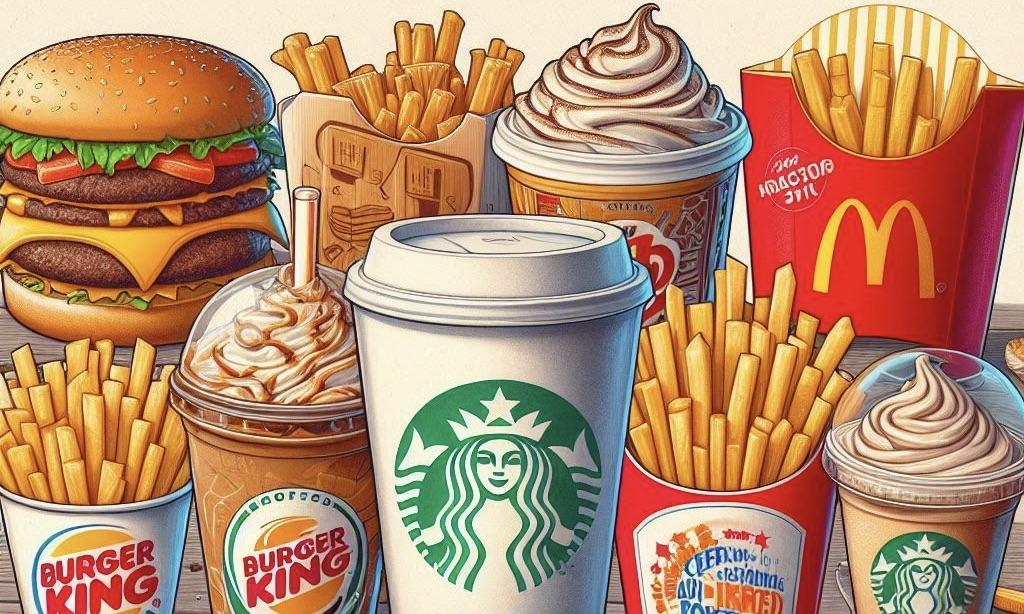
Concerns over the potential health impacts of fast food have long been a subject of public debate. Now, rumors are swirling that meals from popular chains like McDonald’s, Burger King, Starbucks, and Dunkin’ could be linked to acne breakouts, especially among younger consumers. While the connection between diet and skin health has been studied for years, new speculation has reignited discussions about how fast-food staples may contribute to poor skin conditions, including acne.
Acne, a common skin condition that affects millions of people, is often influenced by various factors such as genetics, stress, and hormone fluctuations. However, some experts argue that diet plays a significant role in triggering breakouts. Fast food, which is typically high in refined carbohydrates, sugars, and unhealthy fats, is often pointed to as a potential culprit for aggravating skin conditions. Foods rich in these ingredients can cause spikes in blood sugar and insulin levels, which may lead to increased sebum production—a known factor in acne development.
At chains like McDonald’s, menu items such as fries, burgers, and soft drinks are packed with refined carbs and sugars. These foods are known to cause blood sugar spikes that may lead to inflammation in the body, which could exacerbate acne. Additionally, fried foods, which are a staple at McDonald’s and other fast-food establishments, are often cooked in oils that may contribute to skin problems by increasing the body’s overall oil production.
Burger King also offers similar fare, with burgers, fries, and sugary beverages forming the core of its menu. The high glycemic index (GI) of these foods—meaning they cause a rapid rise in blood sugar—has been linked by some studies to worsened acne in people who are already prone to breakouts. The hormones triggered by high-GI foods can stimulate oil production in the skin, potentially clogging pores and leading to acne.
At Starbucks, while coffee itself may not cause acne, some of the chain’s popular beverages, laden with sugar and dairy, could be problematic. Frappuccinos, mochas, and other high-calorie coffee drinks often contain large amounts of sugar, which can promote inflammation and hormone fluctuations, two factors that are closely tied to acne. Dairy, too, has been speculated to worsen skin conditions in some individuals, as certain studies suggest a link between milk consumption and acne.
Similarly, Dunkin’ offers a range of sugary drinks and pastries that are high in refined carbs. Donuts and other breakfast treats, combined with sugary coffee drinks, could cause the same insulin spikes that lead to potential skin issues. The combination of sugar and dairy in these offerings may contribute to inflammation, creating an environment in the body that can exacerbate skin problems.
While some research suggests a connection between fast food and acne, it’s important to note that these claims remain debated within the scientific community. Genetics, lifestyle, and personal skincare routines play a significant role in an individual’s likelihood of experiencing acne. Fast food may not be the sole contributor, but for those who notice a link between their diet and skin flare-ups, moderating intake of high-sugar, high-fat foods may be a wise step.







