


 Dollar Falls as Oil Eases, Yen Jumps on Intervention Signals
  Japanese Bank Stocks Surge as Bond Yields Fuel Rate Hike Bets
  China Agrees to Buy 20 Million Tons of U.S. Coal
  Mexico-US Trade Talks Delayed to October as Tariff Negotiations Continue
  Trump to Ease U.S. Fuel-Economy Standards
  Asian Stocks Fall as Surging Bond Yields Rattle Markets
  UK PM Burnham to Unveil Economic Vision at Labour Conference
  U.S. Treasury Yields Surge as 30-Year Hits 22-Year High
  Wall Street Ends Flat as Oil, Treasury Yields and Fed Jitters Rattle Markets
  U.S. Dollar Hits Two-Month High as Oil, Treasury Yields Surge
  Oil Prices Jump 3% as Houthi Attack Revives Supply Fears
  Gold Holds Near $4,275 as Rising Treasury Yields Fuel Fed Rate Hike Bets
  Fed Unveils Stablecoin Rules Under GENIUS Act
  Soybean Futures Slip as Traders Await Trump-Xi Trade Signals
  Dollar Holds Near Two-Month High as Yen Approaches 160
  South Korea Tax Windfall Could Top 50 Trillion Won on Chip Boom
  Oil Prices Fall on U.S.-Iran Hormuz Deal Hopes


 Add as a preferred source on Google
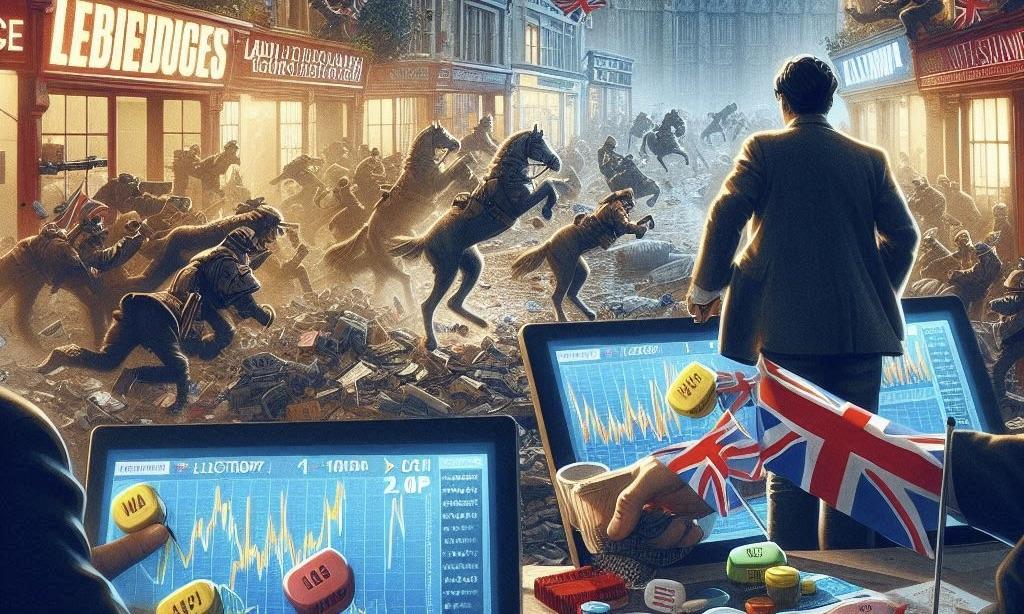
Share prices increased slightly, and the pound moved little on the currency markets. In the United Kingdom, there was abundant demand for government bonds. After a night of intense political drama, the City seemed largely unfazed by the events.
For that, there were three primary considerations. The first was that after months of anticipation, a resounding victory for Labour had been anticipated. In the financial markets' language, it was considered in its entirety. If there had been a hung parliament, the outcome would have been different; however, there was never any actual possibility of that happening, and once the results of the exit poll were revealed, there was no question about the outcome.
Investors from other countries are significantly more concerned about the outcome of the second round of French elections, which will take place on Sunday, than they were about the conclusion of the elections in the United Kingdom, as per The Guardian.
The markets believe that there will be minimal change due to the most significant setback in the history of the Conservative Party, which is the second reason there was only a slight reaction to the event. Housebuilders were the primary drivers of the slight opening increase in the FTSE 100 index of top London shares. This was done expecting changes to planning law; nonetheless, Labour's economic goals remain modest and cautious. It will not be susceptible to significant increases in expenditure or taxes, and it will be subject to regulations that control the amount of money it may borrow.
We are not in 1945, when a Labour government was elected on the basis of a radical socialist agenda, nor are we in 2017, when a victory for Jeremy Corbyn would have undoubtedly stirred the markets. Rachel Reeves has invested a significant amount of time and effort into persuading the City that she will be suitable for the position of chancellor, and her efforts have been successful.
The last reason for the calm reaction in the markets following Labour's victory is the notion that the worst thing that might happen to the economy is finally finished. As a result of a global epidemic and the energy crisis brought on by Russia's invasion of Ukraine, the period beginning in 2019 has been somewhat of an economic horror show.
The Conservatives have been heavily chastised for their position as the party that presided over the most excellent inflation rate in forty years, the higher mortgage rates that were the direct result of Liz Truss's failed premiership, and the fact that living standards were lower at the end of the previous parliament than they were at the beginning of the last parliament. Undoubtedly, the election was a vote of no confidence in the Conservative Party rather than a resounding endorsement of the Labour Party.
However, the effects of the crisis caused by rising living expenses are beginning to lessen. The scars left by the coronavirus epidemic have not yet completely healed. Inflation has returned to the goal level of 2%, and growth is beginning to speed up. If real incomes continue to increase, the Bank of England plans to start lowering interest rates shortly, possibly as early as the following month.
Labour's economic plans would be thrown into disarray in the case of another unpleasant shock on the scale of COVID-19 or a war in Eastern Europe. Both of these developments would be catastrophic. However, the financial markets believe things are looking up for the United Kingdom, and this cautious optimism explains why they are so relaxed about Sir Keir Starmer coming into 10 Downing Street. This, of course, is based on the assumption that nothing else might be considered a threat in the marketplace.
Photo: Microsoft Bing







