


 Meta, U.S. States Discuss Settlement in Teen Addiction Trial
  Nvidia AI Server Prices Set to Rise as Memory Costs Surge
  Want to muck around with a real quantum computer? Now you can
  Countries Tighten Social Media Bans for Children
  29 US states are suing Meta. What might it mean for the rest of the world?
  The importance of teaching students what AI can’t do
  OpenAI AI Agent Swarm Behind Hugging Face Hack
  HP Stock Drops 9% Despite Q3 Earnings Beat and Raised 2026 Outlook
  TikTok, DOJ Reach $400 Million Children’s Privacy Settlement
  Google Expands Gemini Enterprise With AI Tools for Legal Sector
  Apple Cuts Over 200 Siri, Vision Pro Jobs in AI Shift
  Salesforce Shares Surge as AI Demand Powers Q2 Earnings Beat
  Unitree Shares Plunge 45% After Blockbuster IPO, Raising China Tech Bubble Fears
  Alibaba Raises $10.2 Billion to Expand AI Infrastructure
  New Zealand Moves to Ban Social Media for Children Under 16


 Add as a preferred source on Google
Facebook users have always wanted a “dislike” button and Founder and chief executive Mark Zuckerberg seems to have accepted the popular demand.
During a Q&A at Facebook’ headquarters, Zuckerberg announced, "I think people have asked about the dislike button for many years. Today is a special day because today is the day I can say we're working on it and shipping it”.
While explaining as to why it wasn’t immediately designed, he said that he didn't want it to become a Reddit-style system of upvoting and downvoting, reports Business Insider.
"That isn't what we're here to build in the world," Zuckerberg said. "What they really want is the ability to express empathy. Not every moment is a good moment," Zuckerberg said.
He said that Facebook has been working on it for awhile, and it hopes to launch it soon.
"It's surprisingly complicated to make an interaction that will be simple," he added.

- News

- Economy

- Central Banks
- Investing
- Research
- Roundups
- Digital Currency
- Insights
- Technical Analysis
- Technology
- Business
- Law
- Health
- Nature
- Fintech
- Science
- Topic
- Opinions
- ©Econometrics LLC . All Rights Reserved.
Mark Zuckerberg: Facebook working on “dislike” button
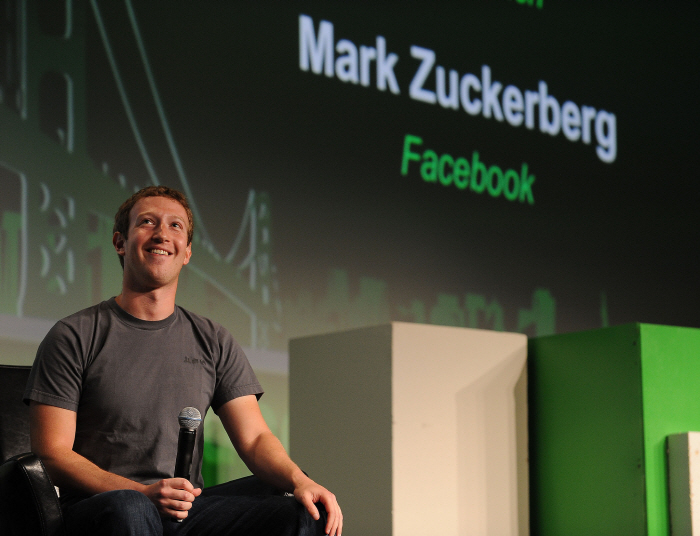
151893386CF001_TechCrunch_C (TechCrunch_Flikr)
Wednesday, September 16, 2015 5:14 AM UTC
Editor's Picks



- Market Data
Most Popular




