


 Westinghouse Targets $50 Billion Valuation in U.S. IPO
  Oracle Shares Fall as New Mexico AI Data Center Faces Power Delays
  Microsoft Stock Upgraded as Stifel Sees Stronger Azure Growth
  NASA, Boeing Discuss Expanding Starliner Missions
  US Northeast Airports Resume Operations After Telecom Outage Disrupts Thousands of Flights
  China Reviews Broadcom Switch Use in State Data Centres
  SpaceX Nasdaq 100 Weight to More Than Double in Rebalance
  BlackBerry Shares Rise as Q2 Earnings, Revenue Beat Estimates
  Meta Unveils Muse Charm AI Device, Expands Smart Glasses Lineup
  OpenAI to Preview GPT-6 Cyber AI Model for Cybersecurity
  Apple Extends Qualcomm Patent Licensing Deal
  Trump Plans Federal AI Force and AI Czar
  Anthropic’s Claude Discovers CRISPR-Like Enzyme System
  Meta Partners With Shopify to Bring Shop Pay Checkout to Muse AI
  US Backs Musk in Fight Against EU’s €120 Million X Fine
  Scott Bessent Eyed as Trump’s New AI Czar


 Add as a preferred source on Google
Malware mining isn’t considered as a major risk by a lot of consumers and businesses. Even with their methods being relatively simple, exploiting basic vulnerabilities in a given system, people and organizations still aren’t taking major steps to put up cyber barriers.
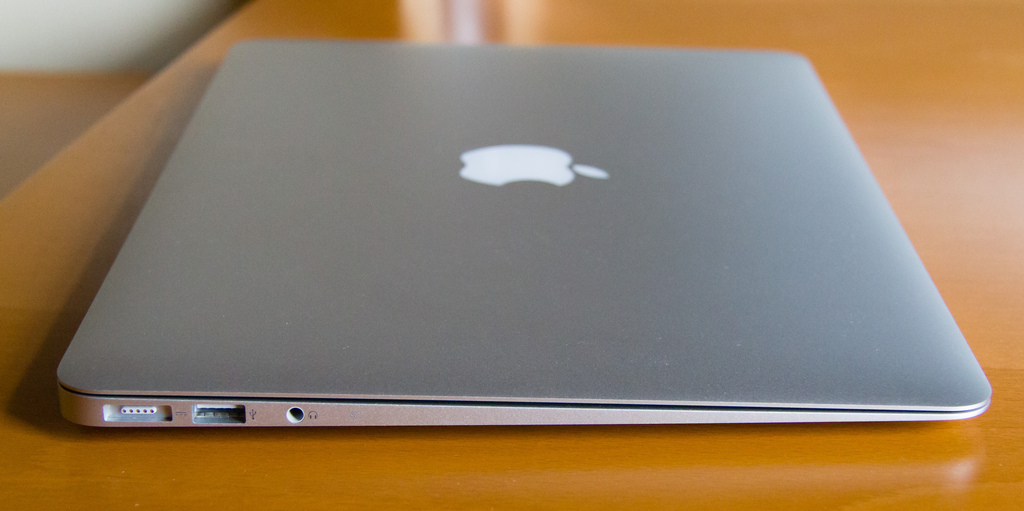
The latest cyptojacking activity is reported to infect a number of Mac computers to harvest Monero, another type of cryptocurrency. Upon investigation, it was found out that a process called “mshelper” operating inside the Mac is being exploited in several affected machines.
Thomas Reed, the Malwarebytes director of Mac and mobile, said that along with a mixture of other malicious processes, this mshelper wasn’t “particularly dangerous,” although it did eat up a large amount of the central processing unit’s capacity.
"Affected users saw their fans whirring out of control and a process named 'mshelper' gobbling up CPU time like Cookie Monster,” Reed said. “Fortunately, this malware is not very sophisticated and is easy to remove.”
People who had their Macs affected posted in an Apple’s discussion forum where the knowledge of the malware spread among users. Finding the culprit resulted in uncovering a couple other suspicious processes that contributed to the attack.
Reed explained that there are three main factors to the cryptojacking malware. First is the dropper, a program responsible for downloading the miner. Second is the launcher, which installs and launches it. And the third is the miner itself based on XMRig, an open source Monero harvester.
While Malwarebytes hasn’t uncovered what the dropper program is, it’s suspected that it may be through a fake Adobe Flash Player installers or other software accidentally downloaded by the Mac owners. Reed said that whoever the attacker is probably isn’t familiar with Macs since the malware wasn’t particularly complicated. He added that he’d rather be hit by a cryptominer than other damaging malware like a spyware or ransomware.
Despite the sentiment, the Malwarebytes director said that even though this was a minor incident, it doesn’t bode well for the community as a whole. Among the major reasons that cryptojacking has proliferated is that complacency has been rampant among consumers and businesses alike because, as said earlier, it doesn’t pose a lot of security threats other than gobbling a large amount of CPU performance.







