


 Microsoft Eyes $7B Texas Energy Deal to Power AI Data Centers
  OpenAI Executive Shake-Up Ahead of Anticipated 2026 IPO
  Reflection AI Eyes $25 Billion Valuation in Massive $2.5 Billion Funding Round
  Samsung Electronics Eyes Record Q1 Profit Amid AI-Driven Chip Boom
  Makemation: a Nollywood movie that shows AI in action in Africa
  SMIC Allegedly Supplies Chipmaking Tools to Iran's Military, U.S. Officials Warn
  NASA's Artemis II Mission: First Crewed Lunar Journey Since Apollo
  Australia's Social Media Ban for Under-16s Sparks Global Movement
  Chinese Universities with PLA Ties Found Purchasing Restricted U.S. AI Chips Through Super Micro Servers
  Rubio Directs U.S. Diplomats to Use X and Military Psyops to Counter Foreign Propaganda
  MATCH Act Targets ASML and Chinese Chipmakers in New U.S. Export Crackdown
  Britain Courts Anthropic Amid US Defense Department Dispute
  Annie Altman Amends Sexual Abuse Lawsuit Against OpenAI CEO Sam Altman
  Elon Musk Ties SpaceX IPO Access to Mandatory Grok AI Subscriptions
  Meta Ties Executive Pay to Aggressive Stock Price Targets in Major Retention Push
  SpaceX IPO Filing Expected This Week as Valuation Could Surpass $75 Billion


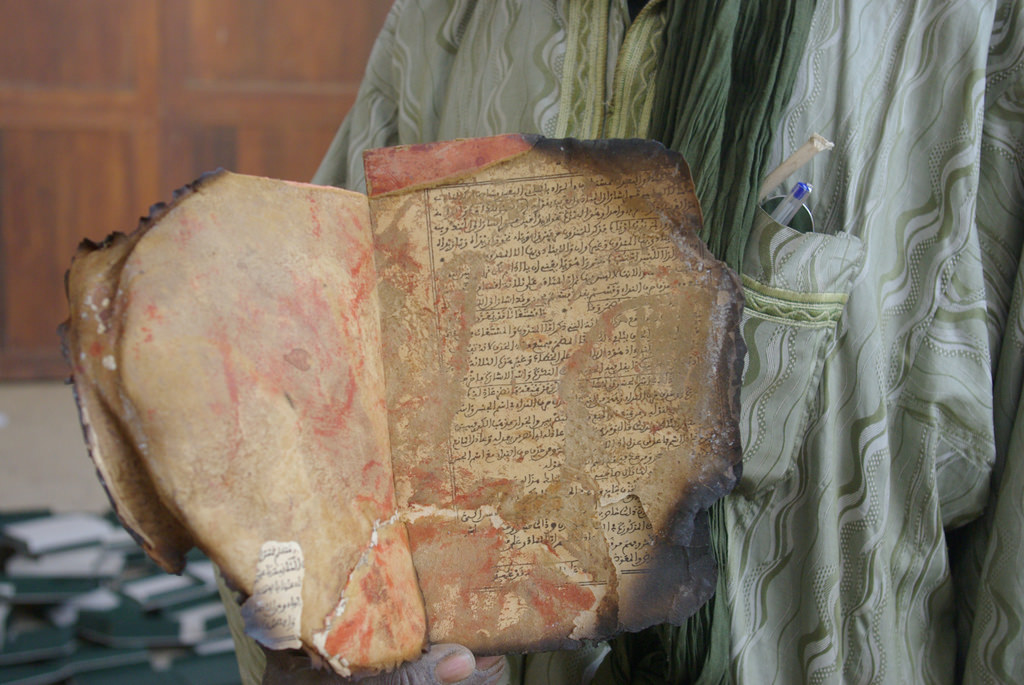
MIT engineers are at it again, with their newest creation involving the technology to read books without actually opening them. It involves the use of radiation to distinguish which is blank paper and which is ink, and this allows it to compile the different texts on the pages of a book with nary a page turned.
The researcher published their findings on Nature Communications, which went into detail regarding the technology and what they hope to do with it in the future. For the most part, it involves creating a device that can read any book without the need for ever opening them. There are a lot of uses for such a device, which the author of the paper and an MIT Media Lab researcher, Barmak Heshmat explains.
"The Metropolitan Museum in New York showed a lot of interest in this, because they want to, for example, look into some antique books that they don't even want to touch," Heshmat said.
The discovery makes use of terahertz radiation, Popular Mechanics reports, which is a light frequency that exists between microwaves and infrared. This type of radiation is superior in terms of identifying different objects through layers by differentiating which is which via the level of terahertz radiation they have absorbed. This terahertz radiation level basically works as a unique identifying marker, much like fingerprints or DNA.
Terahertz radiation is actually widely used for security screenings, because of how handy it is in helping security personnel identify what is in containers. In the case of reading books, the researchers used short bursts of the radiation in order to determine how much the objects bend light in order to identify particular letters between pages.
As it stands, it would be a lot easier for ordinary readers to simply crack open the book and begin perusing. However, for researchers studying ancient manuscripts that are too delicate to open or rare books where the pages have become stuck to each other, this technology could be invaluable.







