


 Indian Stock Market Drops as Iran Conflict Fuels Oil Price and Inflation Fears
  Goldman Sachs Delays Fed Rate Cut Forecast to 2026 Amid Rising Inflation Concerns
  Gold Prices Rise as Weaker Dollar and Iran Ceasefire Hopes Boost Safe-Haven Demand
  Trump Rejects Iran Proposal as Strait of Hormuz Crisis Pushes Oil Prices Higher
  Trump to Visit China for Key U.S.-China Summit With Xi Jinping
  Saudi Aramco Q1 Profit Jumps 25% as Strait of Hormuz Crisis Reshapes Oil Exports
  European Stocks Fall as US-Iran Conflict Rekindles Energy Supply Fears
  Oil Prices Surge Over 3% as Trump Rejects Iran Peace Response
  Oil Prices Rise Amid Strait of Hormuz Tensions and U.S.-Iran Ceasefire Uncertainty
  China Inflation Jumps as Iran Conflict Drives Energy Costs Higher


In post 2008 crisis world, along with emerging markets, African economies rose to prominence as many economists considered the region as next destination, though to present high level of economic expansion and growth.
However, that dream has stalled for now as African economies face three critical challenges
- Threat of terrorism - Though terrorism is a global threat, it is acute in Africa. Given the countries' lack of funds and capability governments are not in a great positions to tackle Islamic State offshoots and organization like Boko Haram.
- Weakness in China - African economies over the past couple of years has been benefactor of inflows from China and large scale imports to China. Further weakness in Chinese economy means further trouble for African counterparts.
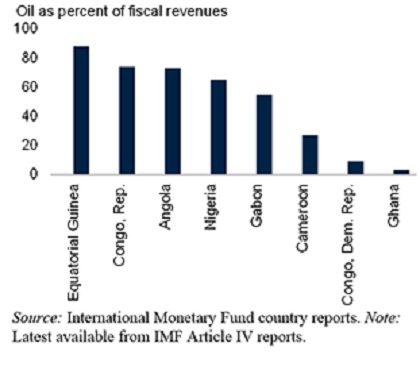
- Lower oil price - Many large African economies such as Nigeria, Congo, Gabon, Angola are exporter of crude, which generates about 60-90% of the government revenue. Longer the lower oil price, larger is the threat to African economies.







