


 Rubio Directs U.S. Diplomats to Use X and Military Psyops to Counter Foreign Propaganda
  OpenAI Pulls the Plug on Sora, Ending $1 Billion Disney Partnership
  Makemation: a Nollywood movie that shows AI in action in Africa
  NASA's Artemis II Mission: First Crewed Lunar Journey Since Apollo
  Australia's Social Media Ban for Under-16s Sparks Global Movement
  Microsoft's $10 Billion Japan Investment: AI Infrastructure and Data Sovereignty Push
  Microsoft Eyes $7B Texas Energy Deal to Power AI Data Centers
  Elon Musk Ties SpaceX IPO Access to Mandatory Grok AI Subscriptions
  Cybersecurity Stocks Tumble After Anthropic's Claude Mythos AI Leak Sparks Market Fears
  Annie Altman Amends Sexual Abuse Lawsuit Against OpenAI CEO Sam Altman
  MATCH Act Targets ASML and Chinese Chipmakers in New U.S. Export Crackdown
  Google's TurboQuant Algorithm Sends Memory Chip Stocks Tumbling
  Chinese Universities with PLA Ties Found Purchasing Restricted U.S. AI Chips Through Super Micro Servers
  Meta Ties Executive Pay to Aggressive Stock Price Targets in Major Retention Push
  Reflection AI Eyes $25 Billion Valuation in Massive $2.5 Billion Funding Round


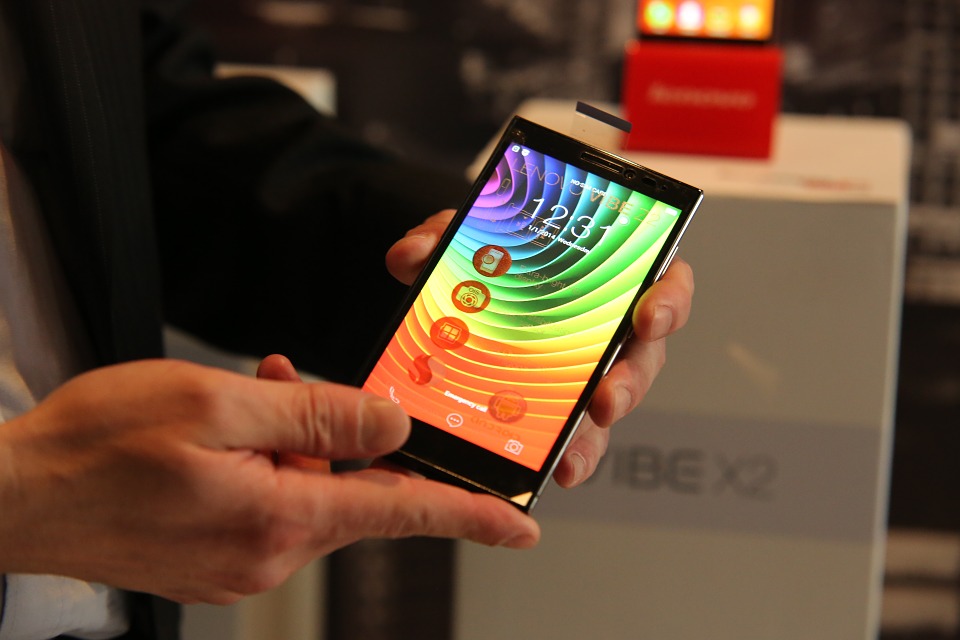
In an industry where smart watches now allow users to check messages and make calls without taking their smartphones out, “Lenovo” is introducing a bendable phone that can be worn as a watch called the “CPlus.” Now, it isn’t clear if this is the phone company’s way of fighting the trend of wrist-mounted mini gadgets without actually making ones of their own. However, as CNET noted when they were allowed to try out the segmented device, the device is able to curl up and become straight again without losing functionality.
The “CPlus” is not in production, though, and considering how a “CPlus” presentation resulted in a unit’s display cracking as it was bent, there are likely still some kinks that the company needs to work out. This is not the first time structural issues have prevented tech companies from providing flexible devices either since “Samsung” has been having the same problems.
Even so, the company did make an impression among those present when the device was showcased during the Tech World Expo in San Francisco. At the event, Chief Technology Officer Peter Hortensius also explained why flexible phones have yet to hit the market in any meaningful way.
For starters, it seems that the focus groups by the company indicate a high interest in users wanting foldable screens that they can interact with. As PC Mag elaborates, this means that the phone’s screen needs to face outward. This is a problem because unlike when the phone is bent inwards, the screen would need to stretch and this is tricky.
Another reason why flexible phones are so difficult is how bulky the internal components are such as the battery, the processor, the memory stick, and so on. The CPlus uses hinges to position these components in such a way that the phone can bend without breaking them. Even so, maintaining operational integrity is still problematic.







