


 American Airlines CEO to Meet Pilots Union Amid Storm Response and Financial Concerns
  Global Markets Slide as AI, Crypto, and Precious Metals Face Heightened Volatility
  South Africa Eyes ECB Repo Lines as Inflation Eases and Rate Cuts Loom
  Prudential Financial Reports Higher Q4 Profit on Strong Underwriting and Investment Gains
  Trump Backs Nexstar–Tegna Merger Amid Shifting U.S. Media Landscape
  Gold and Silver Prices Slide as Dollar Strength and Easing Tensions Weigh on Metals
  Nvidia, ByteDance, and the U.S.-China AI Chip Standoff Over H200 Exports
  FDA Targets Hims & Hers Over $49 Weight-Loss Pill, Raising Legal and Safety Concerns
  Rise of the Zombie Bugs takes readers on a jaw-dropping tour of the parasite world
  Fertile land for growing vegetables is at risk — but a scientific discovery could turn the tide
  Toyota’s Surprise CEO Change Signals Strategic Shift Amid Global Auto Turmoil
  South Korea’s Weak Won Struggles as Retail Investors Pour Money Into U.S. Stocks
  Thousands of satellites are due to burn up in the atmosphere every year – damaging the ozone layer and changing the climate
  Wildfires ignite infection risks, by weakening the body’s immune defences and spreading bugs in smoke
  Singapore Budget 2026 Set for Fiscal Prudence as Growth Remains Resilient
  Lake beds are rich environmental records — studying them reveals much about a place’s history


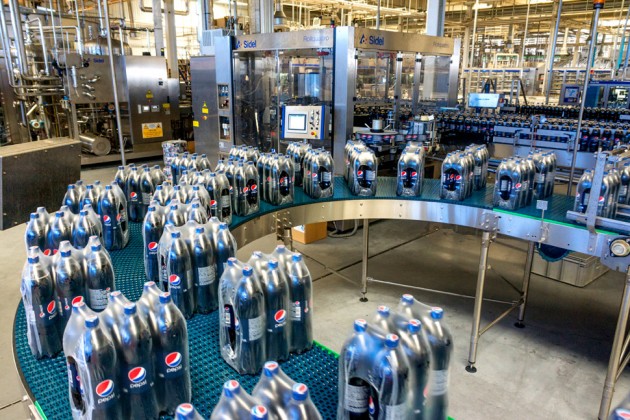
PepsiCo will aim to achieve 100 percent renewable electricity, best-in-class water efficiency, and reduced virgin plastic use in building its biggest US beverage plant in Denver.
The company acquired 152 acres of land to house a 1.2 million square feet plant, which will have three times the capacity of PepsiCo’s current facility in Denver.
PepsiCo did not offer a cost estimate.
The facility will manufacture items beverages such as Pepsi, Pepsi Zero, Gatorade, Bubly, Rockstar, Propel, and Muscle Milk when it opens up in the following year.
According to PepsiCo, the existing employees will be maintained and "upskilled as needed to run the revolutionary manufacturing equipment" at the new factory, which will have twice the payroll of the current one of 250 workers.













