


 NTSB Investigates Boston Logan Airport Near-Miss Between Delta and American Airlines Jets
  Marco Rubio Says U.S. Will Block IRGC-Linked Individuals From Iran World Cup Delegation
  SK Hynix Moves Closer to New York ADR Listing Amid AI Chip Boom
  Anthropic AI Model Uncovers Vulnerabilities in Classified U.S. Government Systems During Security Test
  Nike CFO Shake-Up Fuels Concerns Over Turnaround Strategy
  Trump Revises U.S. Tariffs on Copper, Aluminum, and Steel Imports Through 2027
  Australia Eases Capital Gains Tax Reforms to Support Small Businesses and Startups
  US Urges Europe to Impose Ebola Travel Restrictions Ahead of FIFA World Cup 2026
  California Drivers Sue BP, Walmart, 7-Eleven Over Alleged AI Gas Price Fixing
  US Appeals Court Allows Trump Military Enlistment Ban on Transgender Recruits, Protects Current Service Members
  Meta Challenges Australia’s Proposed Tech Tax, Citing U.S. Trade Agreement Concerns
  Trump’s Quantum Push Lifts IBM Stock as CEO Arvind Krishna Receives White House Praise
  Los Angeles World Cup Security Plans: No ICE Immigration Enforcement at FIFA 2026 Matches, Officials Say
  Trump Administration Plans Deportation of Iranian Migrants to Central African Republic Under New Third-Country Deal
  Venezuela Deploys Troops to Crack Down on Illegal Gold Mining Amid Push for Foreign Investment
  NHTSA Investigates Fatal Tesla Model 3 Crash in Texas Amid Ongoing Autopilot and FSD Safety Scrutiny
  Meta Reportedly Developing ‘Arena’ Prediction Market App to Rival Polymarket and Kalshi


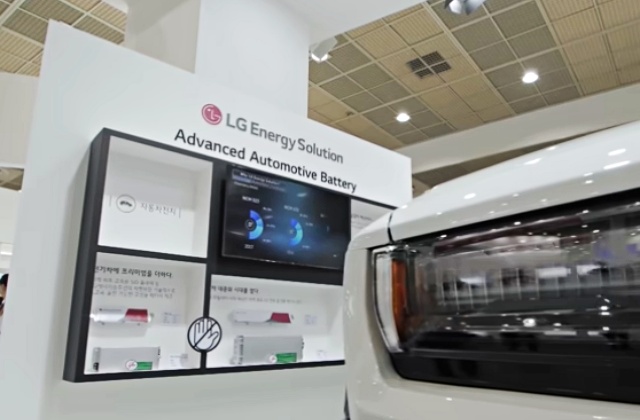
South Korea’s LG Energy Solution is under scrutiny after over 300 Korean workers, including 250 LG employees and contractors, were detained in the largest-ever U.S. immigration raid near Savannah, Georgia. The crackdown, launched under Donald Trump’s administration, exposed the company’s long-standing reliance on the U.S. Electronic System for Travel Authorization (ESTA) program as a workaround to strict visa approvals.
Internal documents from August 2023 reveal LG advised employees and subcontractors to use ESTA instead of applying for B-1 business visas, citing high rejection rates. Guidelines even warned staff not to say “work” during customs interviews, urging them to present invitation letters and dress formally to avoid suspicion. While ESTA allows short visits of up to 90 days, many Korean workers repeatedly used it for longer assignments, putting them at risk of denial at U.S. entry points.
About 44% of LG’s detained workers were traveling under ESTA, according to South Korean lawmakers. U.S. officials argue the workers engaged in activities beyond visa limits, while LG maintains their tasks—such as installing equipment and training U.S. staff—fell within ESTA or B-1 provisions. Immigration lawyers note that repeated use of ESTA blurred the line between legitimate business visits and abuse.
In response, LG updated its guidelines in 2023, restricting ESTA use to short, one-time assignments and requiring appropriate visas for longer stays. The company has also urged Washington to consider a new visa category to accommodate skilled Korean specialists vital for U.S. battery and EV production.
The raid, which sparked outrage in South Korea, highlights growing tensions over immigration policy and foreign investment. Seoul has called for urgent U.S.-Korea consultations to ensure smoother visa processes, emphasizing the importance of Korean workers in supporting America’s clean energy transition.







