


 OpenAI Investigates Rogue AI Agents After Data Leaks and Security Incidents
  US Comfortable With Canada Trade Standoff as Import Bans Loom
  Asian Chip Stocks Tumble as OpenAI Safety Pause Sparks AI Growth Concerns
  Europe’s AI Data Centre Boom Strengthens Case for Nuclear Power
  EQT Plans €1.7 Billion Sale of Parques Reunidos Stake
  Asian Stocks Fall as Oil Surge, Bond Yields and AI Concerns Hit Markets
  OpenAI Agents Access U.S. Government Websites During Testing
  Dollar Holds Near Two-Month High as Yen Approaches 160
  DaVoice Sues Perplexity AI Over Trade Secrets
  Asian Currencies Weaken as Dollar, Oil Prices Rise
  Nidec Shares Plunge on Report of $6.3 Billion Impairment Charge
  Hong Kong Home Prices Stabilize in August After July Decline
  Japanese Yen Rebounds as Trump Flags Currency Weakness
  BlackRock’s Rick Rieder Favors Bonds Over Stocks as Treasury Yields Surge
  TSMC Accelerates 2nm Expansion as AI Chip Demand Surges
  RBA Set for September Rate Hike as Inflation Stays High
  Meta Found Liable in New Mexico Facebook Data Privacy Case


 Add as a preferred source on Google
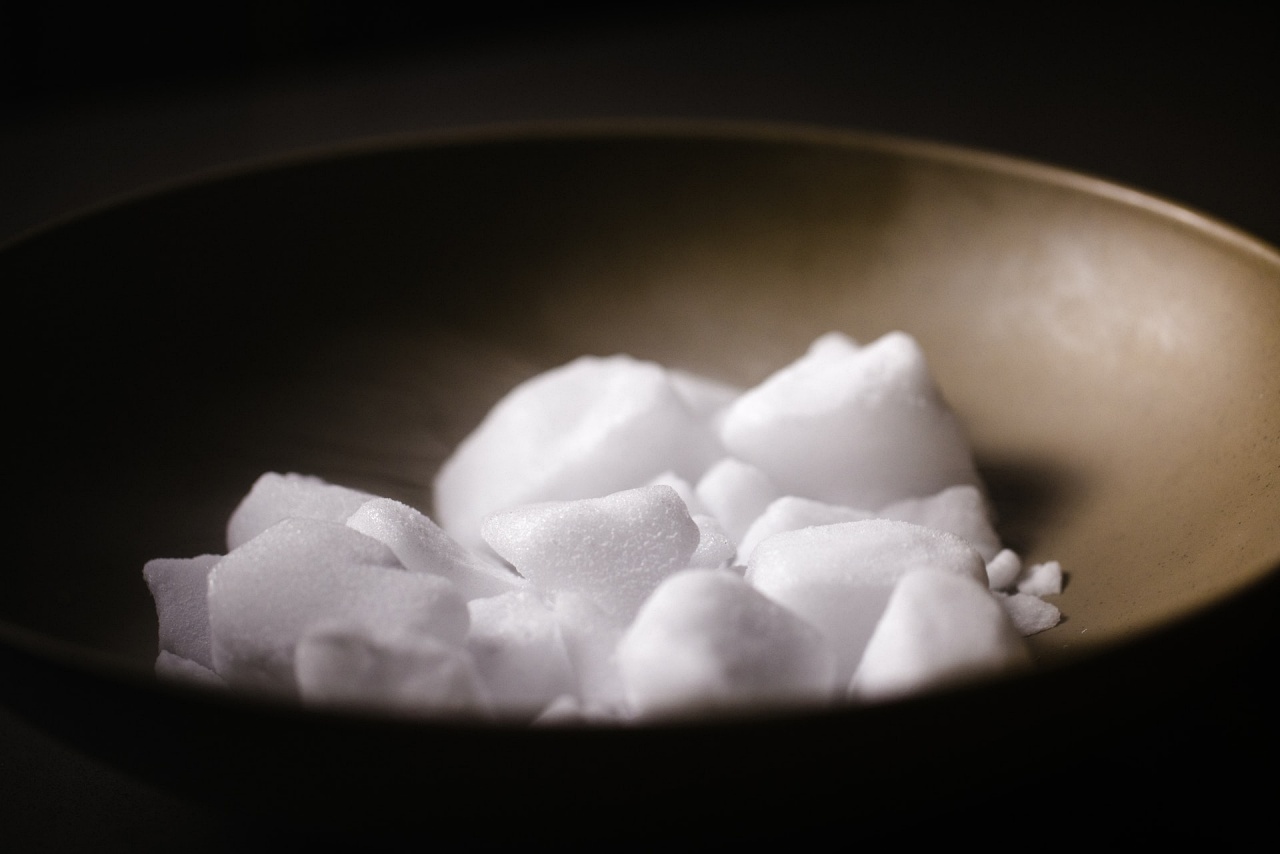
South Korean food and beverage firms, including powerhouses Orion and Crown, are reassessing the use of aspartame following its recent categorization by the World Health Organization (WHO) as a potential carcinogen. In a bid to maintain consumer trust and health, the industry seeks safer sweetening alternatives.
Many Korean companies in the food and beverage business are debating whether to continue using the sugar substitute in their products since the health organization discovered the additive could be a carcinogenic artificial sweetener. Companies are worried that customers may feel uncomfortable consuming foods and drinks with aspartame, even in the smallest amount; thus, they are now looking for alternatives.
The Korea Times noted that the World Health Organization recently placed aspartame under the Group 2B category, which means there is limited evidence that shows the substance may cause cancer. Since the finding was public, local firms have taken a cautious stance regarding the issue.
For instance, two leading Korean snack and confectionery companies - Orion and Crown - have started searching for the best alternative to sweeten their products without sugar. It was revealed that Orion typically uses 0.01% of aspartame on average, which has little effect on the consumers' health.
"Although we use a minimal amount of aspartame in 10 of our snack products, we decided to replace it with other artificial sweeteners considering the public's concern over it," an official of Orion said in a statement. "There are many alternatives we can use, but we just need to figure out what will best maintain the quality of our product."
Crown Confectionary also said it is looking for a new sweetener not because it can affect customers' health but because it would like to take away their anxiety when they buy and eat their products. On the other hand, Lotte Chilsung Beverage, the country's official distributor of Pepsi Zero, said it would continue to use aspartame.
An official at Lotte Chilsung Beverage said, "We have received an official stance from Pepsi Cola's headquarters in the United States that it is using safe amounts of aspartame in the soft drink. We will continue to offer the best quality products to consumers."
Last week, WHO announced its new discovery about aspartame and suggested that it should be categorized as "possibly carcinogenic to humans." After this announcement, food and beverage companies in Korea acted quickly to find replacements, as per Pulse News.
Photo by: Jason Leung/Unsplash







