


 Erste Group Plans Tender Offer to Boost Poland Bank Stake
  RedotPay Completes Audits as Stablecoin Firm Advances U.S. IPO Plans
  Morgan Stanley Raises TD Synnex Price Target to $359 on Strong AI Demand
  OpenAI Agents Access U.S. Government Websites During Testing
  FDA Approves Mirum’s Atebrioz for Rare Bone Disorder FOP
  Nvidia China Chip Sales Report Sends Chinese Semiconductor Stocks Lower
  TikTok Reaches $100 Million Alabama Settlement Over Child Safety Claims
  OpenAI, Anthropic CEOs Summoned to Australia AI Inquiry
  Vitalik Buterin Says Hegota Could Be Ethereum’s Last Conventional Fork
  Pi Network Price Holds $0.087 as Protocol 28 Mainnet Upgrade Nears
  Strategy Buys 1,665 Bitcoin as BTC Holdings Reach 847,666
  Nissan Targets US Hybrid Growth With Rogue e-Power Launch
  Stellar Hits Record 217 TPS as Institutional RWA Activity Surges
  Europe’s AI Data Centre Boom Strengthens Case for Nuclear Power
  Robinhood Chain Token Ring Allegedly Extracts $18.4 Million Across 53 Launches
  TSMC Accelerates 2nm Expansion as AI Chip Demand Surges
  BlackRock’s Rick Rieder Favors Bonds Over Stocks as Treasury Yields Surge


 Add as a preferred source on Google
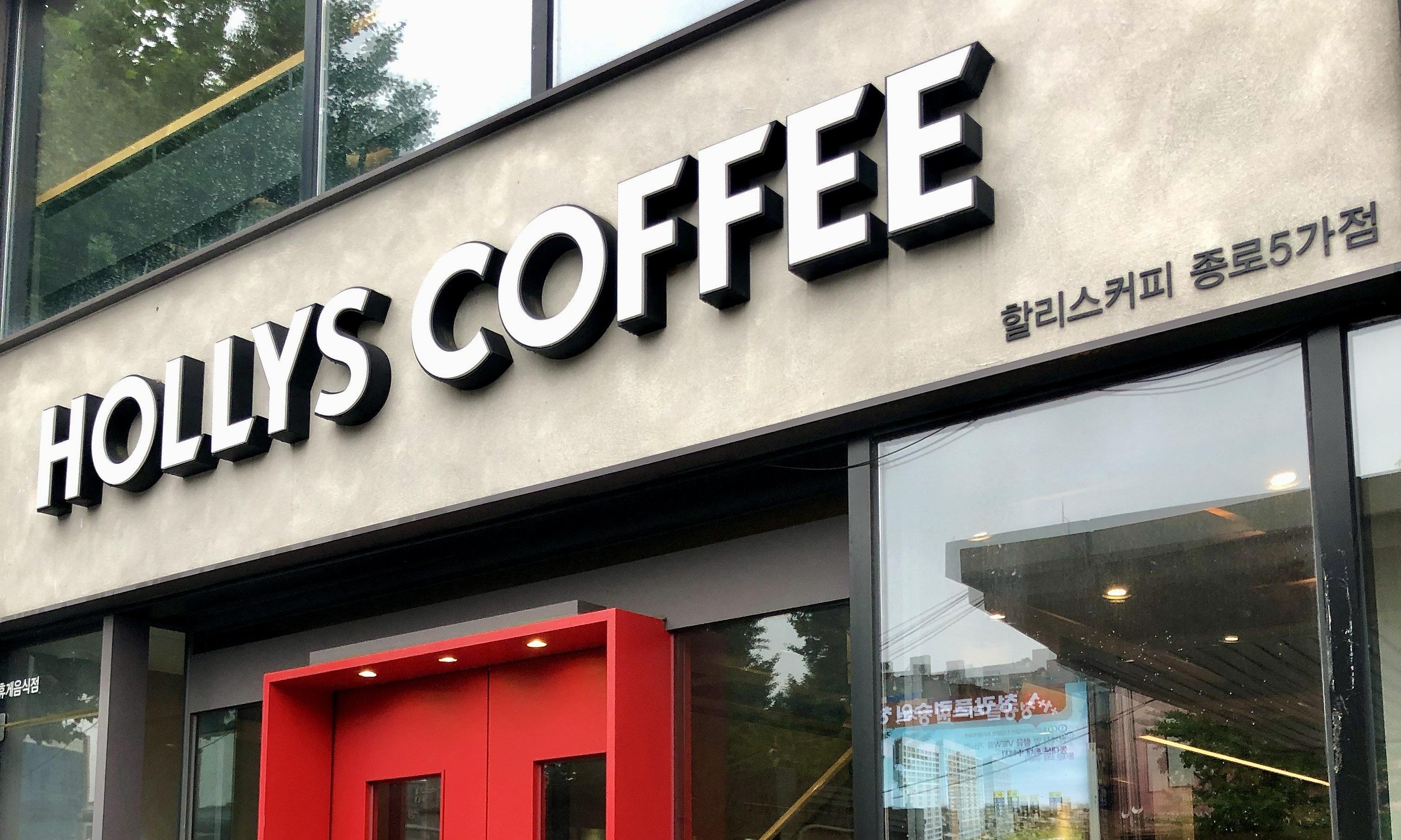
In a strategic shift, an increasing number of South Korean food and beverage franchises are choosing Japan for their overseas ventures, eschewing traditional hotspots like China and North America.
As revealed by industry insiders on Monday, this decision is primarily fueled by the burgeoning allure of the Korean lifestyle in Japan, a nation once regarded as unwelcoming to international dining chains.
Popularity Paves the Way
Mom's Touch, a Korean chicken sandwich franchise set to inaugurate its first directly managed store in Tokyo this month, exemplifies the pivot to Japan. According to the Korea Times, this move comes after a highly successful pop-up event in the Japanese capital last October, drawing over 33,000 visitors in just three weeks. The new establishment will be in Shibuya, taking over a location that has hosted a McDonald's outlet for nearly four decades.
Strategic Shifts
Mom's Touch's venture into Japan marks a notable change in its international strategy. Due to increasing losses, the brand retracted from several markets, including Vietnam, Taiwan, the US, Singapore, and the Philippines. However, it has cautiously resumed international expansion. This venture into Japan represents its first endeavor to operate a store abroad directly, and plans are underway to partner with a Japanese entity for franchised operations.
Cultural Integration and Expansion
With Japan's hamburger market valued at 7 trillion won ($5.1 billion), Mom's Touch aims to leverage the nation's sophisticated dining culture and broaden its international footprint. Lee Jong-hyun, CEO of Hollys, another Korean brand eyeing expansion, shared similar sentiments. According to KED Global, Hollys will introduce Korea's vibrant coffee culture to Japan, starting with its first store in Osaka's Namba Marui Department Store.
Similarly, Blu Shaak, a Busan-based coffee shop, plans to capture the hearts of Japan's youth with its Korean coffee and desserts, beginning with its inaugural Shibuya branch.
Capitalizing on the Hallyu Wave
These expansions are buoyed by the "fourth Korean wave," propelled by the international success of Korean entertainment content. The Korea Trade-Investment Promotion Agency (KOTRA) notes that Korean food enjoys substantial recognition among Japanese consumers, thanks in part to its portrayal in dramas, films, and online content.
This familiarity and fondness, especially among Japanese women, present a fertile ground for Korean franchises. Additionally, the Korea Agro-Fisheries & Food Trade Corp. suggests tapping into the interests of Japanese men through popular Korean games and dramas to widen their customer base.
As Korean franchises like Mom's Touch, Hollys, and Blu Shaak make inroads into the Japanese market, they are not just selling food or coffee but embedding Korean culture into the fabric of Japanese society, leveraging the sustained popularity of the Korean lifestyle.








