


 Macron, Trump Discuss Ukraine-Russia Energy Strike Moratorium
  Trump-Xi Summit Puts Trade Truce and Taiwan in Focus
  Trump, Iran Trade Threats as Middle East Tensions Escalate
  Michelle Bachelet Withdraws From UN Secretary-General Race
  AfD Wins German State Election as Merz’s CDU Hits Historic Low
  Trump Plans Military Complex Inside Washington Triumphal Arch
  Trump Open to Pezeshkian Meeting as Iran Tensions Escalate
  Vietnam, US Trade Deal Could Be Signed Soon, To Lam Says
  UK, Mauritius Seek Diego Garcia Base Deal
  Diana’s Brother Backs Security for Harry and Meghan
  Paramount-Warner Bros $110 Billion Deal Draws Antitrust Backlash
  United Russia Leads Russia Election as Ukraine Drones Hit Moscow
  South Korea to Brief Lawmakers on $350 Billion US Investment Package
  Burnham Eyes UK Leadership Role in AI Ahead of Trump Meeting
  ICE Officer Shoots Man in Austin, Sparking Calls for Independent Probe
  Trump Sets High-Stakes UN Meetings With Zelenskiy, Gulf Leaders
  Trump Administration Prepares Sanctions Against Entire ICC


 Add as a preferred source on Google
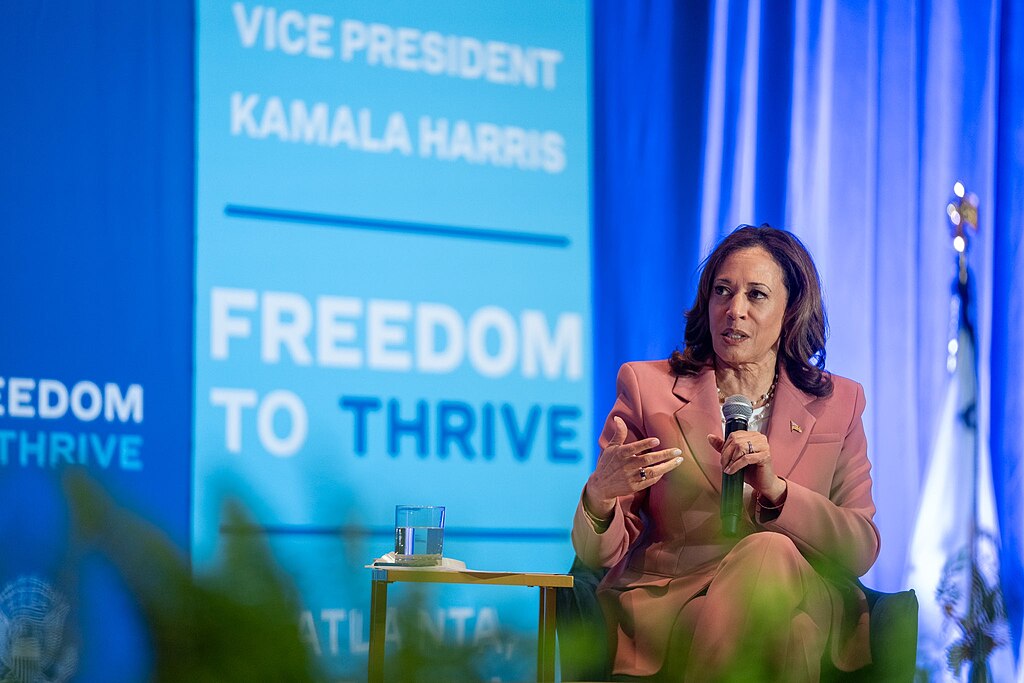
Vice President Kamala Harris confronted former President Donald Trump over his perceived alliances with authoritarian figures, accusing him of courting dictator support. Harris’s sharp remarks underscored the ongoing narrative that Trump, throughout his political career, has maintained unusually close relationships with several autocratic leaders, particularly Russian President Vladimir Putin.
The confrontation reached a critical point when Trump responded by pointing out that Putin had previously endorsed Harris’s candidacy. His retort came as a direct challenge to her accusations, flipping the narrative and suggesting that her political alignment with foreign powers had its own complications. The exchange quickly became a flashpoint in the debate, fueling discussions about both candidates' international relationships and the broader implications for U.S. foreign policy.
Harris’s critique of Trump echoed a central theme in Democratic messaging since his rise to political power: that his leadership style and relationships with authoritarian figures like Putin, North Korean leader Kim Jong-un, and others signaled a dangerous erosion of democratic norms. Harris sought to paint Trump as someone who undermines American values by aligning with leaders who seek to challenge global stability.
For Trump, the accusation was nothing new. Throughout his presidency, he repeatedly faced scrutiny for his rapport with figures such as Putin, which critics labeled as too accommodating and deferential. However, his decision to turn the tables on Harris by referencing Putin’s public statements regarding her candidacy introduced a new layer of complexity to the debate.
Putin, during previous international engagements, had made comments that could be interpreted as support for Harris, particularly as tensions between Russia and the United States escalated. Trump’s response aimed to capitalize on these remarks, suggesting that Harris too had been singled out by the Russian leader as a potentially favorable political figure.
This exchange is likely to fuel further discussion about the candidates' relationships with foreign leaders as the 2024 presidential election approaches. Both Harris and Trump are positioning themselves as leaders capable of restoring or maintaining American strength on the global stage, but their approaches could not be more different. Harris, representing the current administration, has stressed multilateral cooperation and rebuilding alliances that were strained during the Trump presidency. Trump, by contrast, continues to emphasize his unique style of diplomacy, which he argues was effective in de-escalating global tensions during his time in office.
The debate moment also underscores the broader issue of foreign interference in U.S. elections, a theme that has plagued American politics since the 2016 election, when Russia’s meddling in favor of Trump became a central issue. Harris’s critique and Trump’s rebuttal both tap into voter concerns about the integrity of U.S. democracy and the influence of foreign powers in shaping its direction.
As the debate rages on, the clash between Harris and Trump over their connections to authoritarian figures is likely to be a focal point in the election narrative. With both candidates vying for leadership in a world increasingly defined by geopolitical uncertainty, their ability to address these criticisms and articulate a clear vision for U.S. foreign policy will be critical in shaping voter perceptions heading into 2024. The fallout from the debate exchange is sure to dominate the news cycle, keeping foreign influence and national security at the forefront of the electoral conversation.







