


 Telix to Acquire Germany’s ITM in $1.65 Billion Radiopharma Deal
  SpaceX Nasdaq 100 Weight to More Than Double in Rebalance
  Meta Partners With Shopify to Bring Shop Pay Checkout to Muse AI
  Volvo Cars Plans 13 New Models by 2030 to Boost Sales
  Apple Pay Set for India Launch With Axis Bank
  FCC Approves Foreign Investment in $110B Paramount-Warner Bros. Deal
  US Federal Register Drops Alibaba Qwen AI Search Tool
  Petrobras Joins Brazil’s New Diesel Subsidy Program
  SoftBank Launches $11 Billion Bond Sale to Fund OpenAI Investment
  Nike Earnings at Risk as UBS Cuts Price Target to $42
  US Northeast Airports Resume Operations After Telecom Outage Disrupts Thousands of Flights
  fnny Beta Launches With a Simple Idea: Find an Event, Show Up, Get Rewarded
  OpenAI Urges US-Led Global Standards for Frontier AI
  Trump Plans Federal AI Force and AI Czar
  CNN, MS NOW and Politico Sue Trump Over White House Media Ban
  Westinghouse Targets $50 Billion Valuation in U.S. IPO


 Add as a preferred source on Google
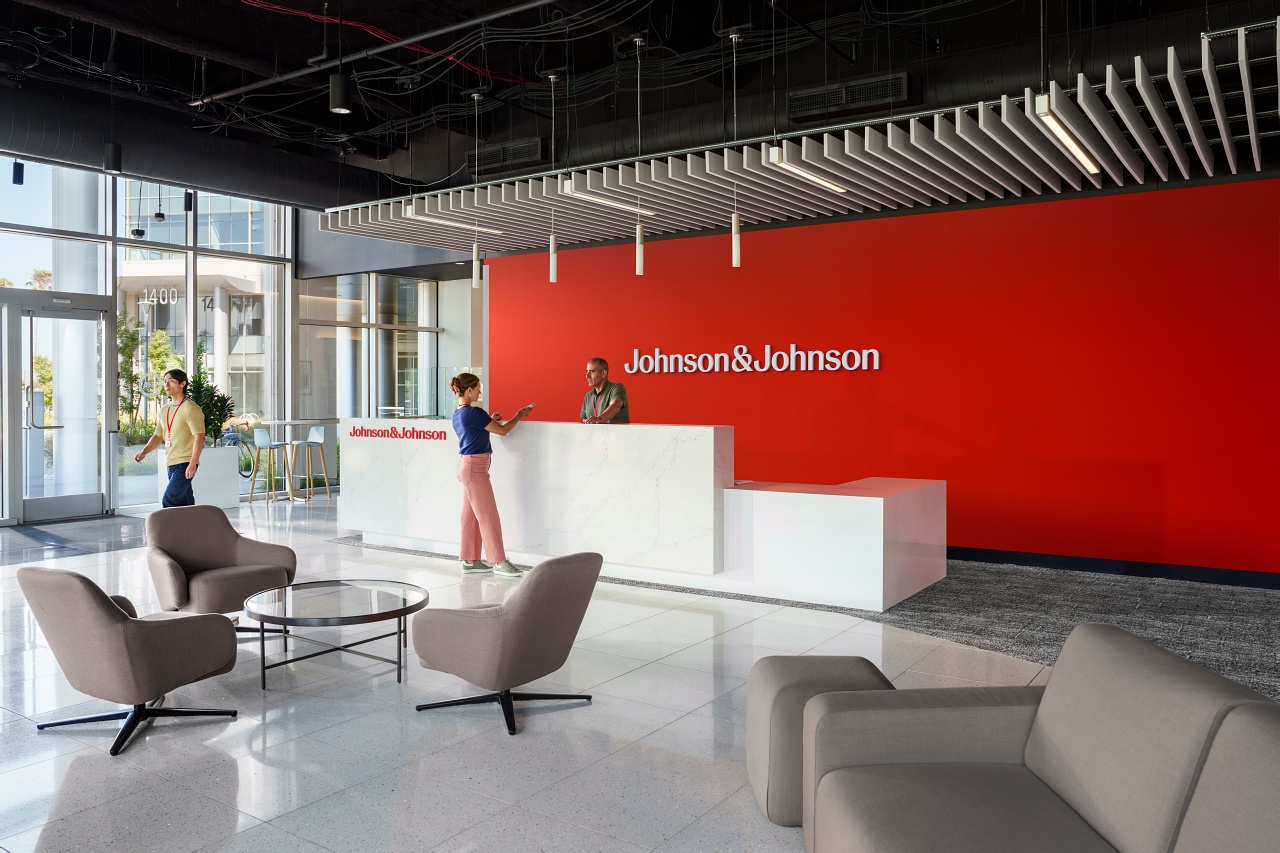
Johnson & Johnson confirmed on Monday, Jan. 8, that it is buying Ambrx cancer treatment developer Ambrx Biopharma for $2 billion. It will be paid in cash, and this acquisition deal comes as the company seeks to fill in a revenue gap expected to come in 2025 when its Stelara drug starts facing generic competition for treating an autoimmune disease called psoriasis.
Move to Diversify and Increase Revenues
According to CNBC, Johnson & Johnson announced the acquisition at the start of the annual JPMorgan Healthcare Conference. This move is seen as J&J’s entry into the ADC market that has recently been infiltrated by its rivals like Merck, Pfizer, and AbbVie, who have also acquired smaller drugmakers to bet on ADC.
The deal is a strategic decision since its top-selling Stelara drug is expected to face competition in the coming years. This means the company is preparing to produce new treatments that can provide revenues in case of a sales slowdown. The deal simply presents new opportunities for Johnson & Johnson, not only financially but also in having the chance to deliver new drugs that can transform cancer treatment and improve patients’ lives.
Terms of the Buyout Deal
As the agreement indicates, Johnson & Johson will pay $28 for every share of Ambrx or double the company’s Friday closing price, which was settled at $13.63. The New Brunswick, New Jersey-headquartered pharma and medical technologies company expects to complete the deal within the first two quarters of this year.
“Ambrx’s ADC technology offers unique advantages in the conjugation of stable antibodies and cytotoxic linker payloads, which results in engineered ADCs that effectively kill cancer cells and limit toxicities,” Johnson & Johnson Innovative Medicines’ area head of global therapeutic, Yusri A. Elsayed, M.D., M.H.Sc., Ph.D., said in a press release. “The results seen to date with ARX517 in mCRPC are promising and represent a potential first- and best-in-class targeted therapy for the treatment of this aggressive disease.”
The innovative medicine unit’s area leader for prostate cancer disease, Margaret Yu, M.D., further commented, “With a median overall survival of less than two years and novel hormonal therapies moving earlier in the disease, significant unmet need remains in the treatment of mCRPC, we see a unique opportunity to harness the potential of this innovative ADC platform, and with our deep understanding of prostate cancer, deliver a targeted PSMA therapeutic for addressing the growing needs of the more than 185,000 patients living with metastatic castration-resistant disease today1.”
Photo by: Johnson & Johnson Media Center







