


 US Caribbean Vessel Strike Kills Four
  UK Warned Over Growing Reliance on US Cloud Providers
  Russia Strikes Kyiv Bridge as Ukraine Infrastructure Attacks Escalate
  Merz Pledges €1 Billion in Ukraine Aid During Kyiv Visit
  Takaichi Pledges to Control Japan Bond Issuance
  Trump Heads to Ohio to Boost Husted in Tight Senate Race
  Brazil Presidential Debate Canceled as Lula, Bolsonaro Skip Event
  Iran Plans Stronger Response if US Attacks Resume
  Yemen Launches Major Offensive to Retake Houthi-Held Areas
  Bosnia Election Puts EU Bid and Foreign Influence in Focus
  Iran Faces Rising Pressure as U.S. Builds Military Presence
  Iran Keeps Strait of Hormuz Closed as War Talks Stall
  Ukraine to Intensify Strikes on Russian Oil Refineries
  South Korea Warns Ukraine Over North Korean POW Dispute
  Trump Says Iran War Could End Soon After Midterms
  Nicaragua Withdraws From Central American Parliament


 Add as a preferred source on Google
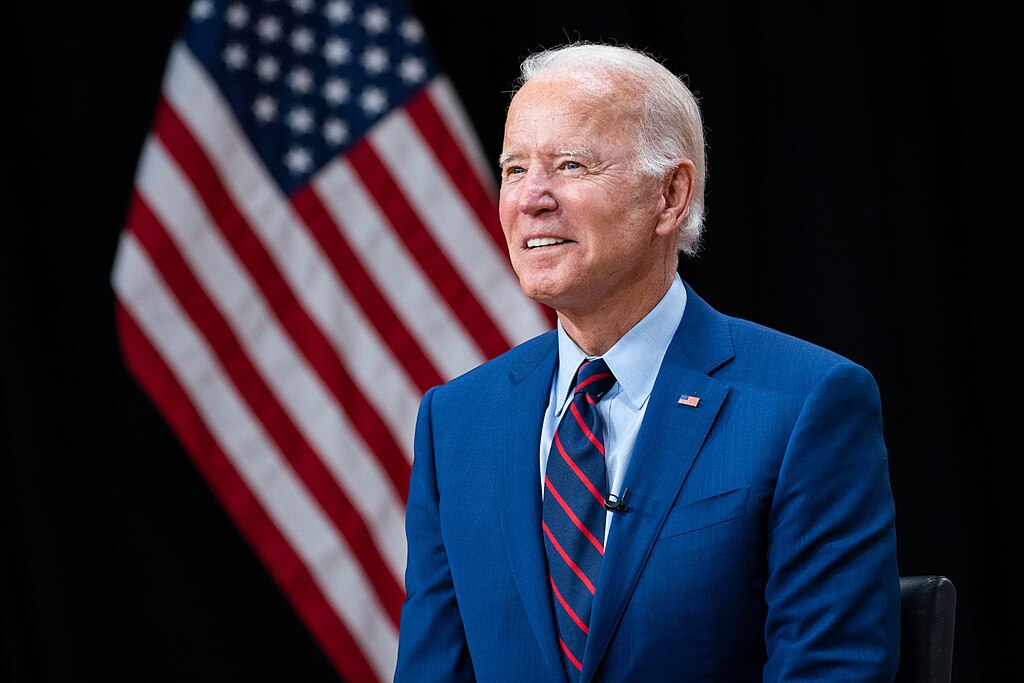
President Joe Biden has revealed that internal pressure from within the Democratic Party, including influence from former House Speaker Nancy Pelosi, was a significant factor in his decision to withdraw from the 2024 presidential race. In an interview on CBS Sunday Morning, Biden acknowledged that concerns from key Democrats about his potential impact on their re-election chances ultimately led him to step aside, marking a dramatic shift in the political landscape ahead of the next election cycle.
During the interview, Biden, 81, candidly discussed the circumstances that led to his withdrawal, emphasizing the growing unease among Democratic leaders in both the House and Senate. According to Biden, there was widespread apprehension that his continued candidacy could weaken the party's chances in critical races, potentially endangering their control of Congress. This concern, he noted, became a central issue in discussions among party elites.
One of the most notable revelations from the interview was Biden’s direct mention of Pelosi. The former Speaker of the House, who has long been an influential figure in Democratic politics, is rumored to have played a key role in orchestrating the push for Biden’s exit. This marks a rare moment of public acknowledgment of the behind-the-scenes dynamics that often shape political decisions at the highest levels.
Biden’s comments come after months of speculation about tensions between him and Pelosi. Reports have circulated that the two had a falling out, particularly as Pelosi urged Biden to reconsider his bid for a second term. While Pelosi has publicly expressed her respect and admiration for Biden, the rift between them appears to have persuaded him to step down.
In a previous interview, Pelosi downplayed any discord, insisting that she had not actively campaigned for Biden’s exit but had responded to inquiries from concerned colleagues. Despite her efforts to maintain a cordial tone, the underlying tensions were evident as Biden spoke openly about the pressures he faced from within his party.
Biden’s decision to endorse Vice President Kamala Harris as his successor adds another layer of complexity to the unfolding political drama. His endorsement came shortly after his announcement to withdraw, signaling a potential shift in party strategy as Democrats prepare to face off against a still formidable Republican opponent.
The interview also highlighted Biden’s reflections on his time in office and his initial intentions when he first ran for president. He referred to himself as a “transition president,” acknowledging the challenges of aging and the need to pass the torch to the next generation of leaders. This candid admission underscores the personal and political factors influencing his decision to step back.
As Biden steps away from the race, the Democratic Party faces the task of rallying around a new candidate while navigating the complex legacy of Biden’s presidency. The internal dynamics that led to his withdrawal will likely continue to shape the party’s strategy in the 2024 election.







