


 Asian Stocks Slip Ahead of Nvidia Earnings and US Inflation Data
  Qatar LNG Exports Plunge 96% as U.S.-Iran War Disrupts Gulf Energy Trade
  U.S. Unleashes New Iran Sanctions, Targets Oil, Crypto and Trade Networks
  Oil Prices Slide on U.S.-Iran Ceasefire Reports, Hormuz Talks
  Asian Currencies Mixed as Dollar Holds Firm Ahead of Jackson Hole
  Australia Inflation Beats Forecasts, Raising RBA Rate Hike Risk
  BOJ’s Himino Signals Timely Rate Hikes as Inflation Risks Rise
  Gold Prices Hover Near Three-Month High as Oil, Treasury Yields Fall
  Hong Kong Home Prices Fall 0.5% in July, Ending Long Winning Streak
  Asian Energy Stocks Slide as Iran-Oman Hormuz Talks Pressure Oil Prices
  Asian Currencies Mixed as Aussie Dollar Rises on Hot Inflation
  Dollar Rises as Hotter PCE Inflation Lifts Fed Rate Hike Bets
  Asian Chip Stocks Mixed After Nvidia Earnings Beat
  Japan Firms Ramp Up Yen Hedging as Currency Weakness Persists
  Carney’s Trump Tariff Pushback Wins Canadian Support, but Economic Risks Mount
  US-Canada Tariff War Escalates With 50% Auto Duties


 Add as a preferred source on Google
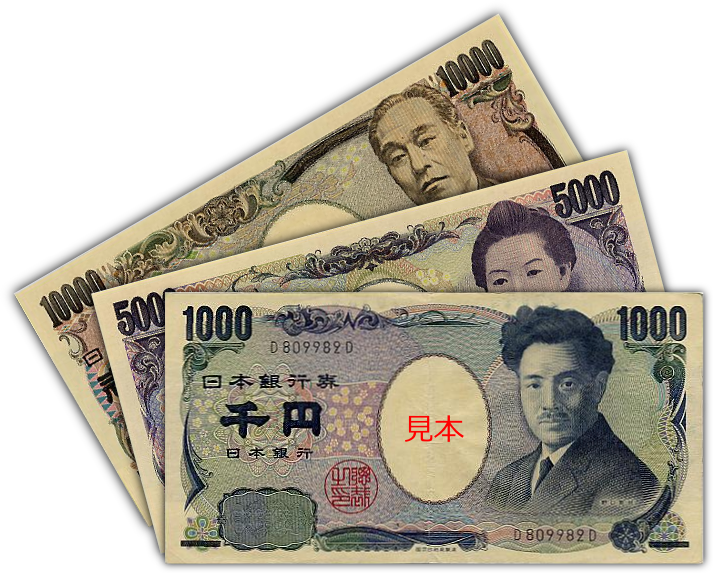
Japan’s Finance Minister Katsunobu Kato expressed growing concern on Friday over the yen’s rapid depreciation, warning that the government is closely monitoring excessive volatility in the foreign exchange market. His comments come as the Japanese yen faces heavy pressure following the election of Sanae Takaichi as the new ruling party leader, known for her fiscally expansionary stance.
Kato noted that the yen has seen “one-sided, rapid moves,” signaling that Tokyo may be preparing to intervene if instability worsens. “What’s important is that exchange rates move in a stable manner, reflecting economic fundamentals,” Kato said during a press briefing. “The government will thoroughly monitor for excessive fluctuations and disorderly movements in the forex market.”
The yen has plunged nearly 4% this week — its sharpest weekly drop since October last year — as investors brace for looser fiscal policies and fading hopes of a near-term interest rate hike by the Bank of Japan. Analysts suggest that markets are reacting to growing fiscal concerns and expectations that Takaichi’s leadership could delay monetary tightening.
Kato acknowledged that fluctuations in exchange rates have both positive and negative effects on Japan’s economy. While exporters may benefit from a weaker yen, higher import costs strain households and small businesses. “The extent and nature of these effects vary depending on the domestic and global economic environment,” he said.
On Thursday, Takaichi stated in a television interview that she did not want to trigger “excessive yen declines,” though she noted that a weaker yen has “both pros and cons.” A softer yen helps manufacturers offset higher U.S. tariffs but raises living costs due to pricier raw material imports — a trade-off Japan’s policymakers are now struggling to balance.







