


 Japan Private-Sector Growth Slows as Domestic Demand Weakens
  Wall Street Falls as Treasury Yields Surge, Oil Rebounds on Iran Tensions
  Gold Drops Over 1% as Dollar, Treasury Yields Surge on Fed Rate Hike Bets
  South Korea, US Discuss Warship Building Cooperation
  Trump, Xi Focus on Trade and AI at White House Summit
  Asian Currencies Mixed as Dollar Holds Near Two-Month High
  US, China Extend Trade Truce to Jan. 10 Ahead of Trump-Xi Summit
  U.S. 10-Year Treasury Yield Hits 2007 High as Fed Rate Hike Bets Rise
  Wall Street Ends Flat as Oil, Treasury Yields and Fed Jitters Rattle Markets
  Oil Prices Jump 3% as Houthi Attack Revives Supply Fears
  Oil Prices Surge as U.S.-Iran Diplomacy Hopes Fade
  European Stocks Slip as Iran Tensions Offset Strong Eurozone Data
  Dollar Hits Two-Month High as Fed Rate Hike Bets Rise
  US Stock Futures Fall as Treasury Yields Surge Ahead of Trump-Xi Summit
  Gold Prices Fall as Treasury Yields Rise on Fed Rate Hike Bets
  Mexico-US Trade Talks Delayed to October as Tariff Negotiations Continue


 Add as a preferred source on Google
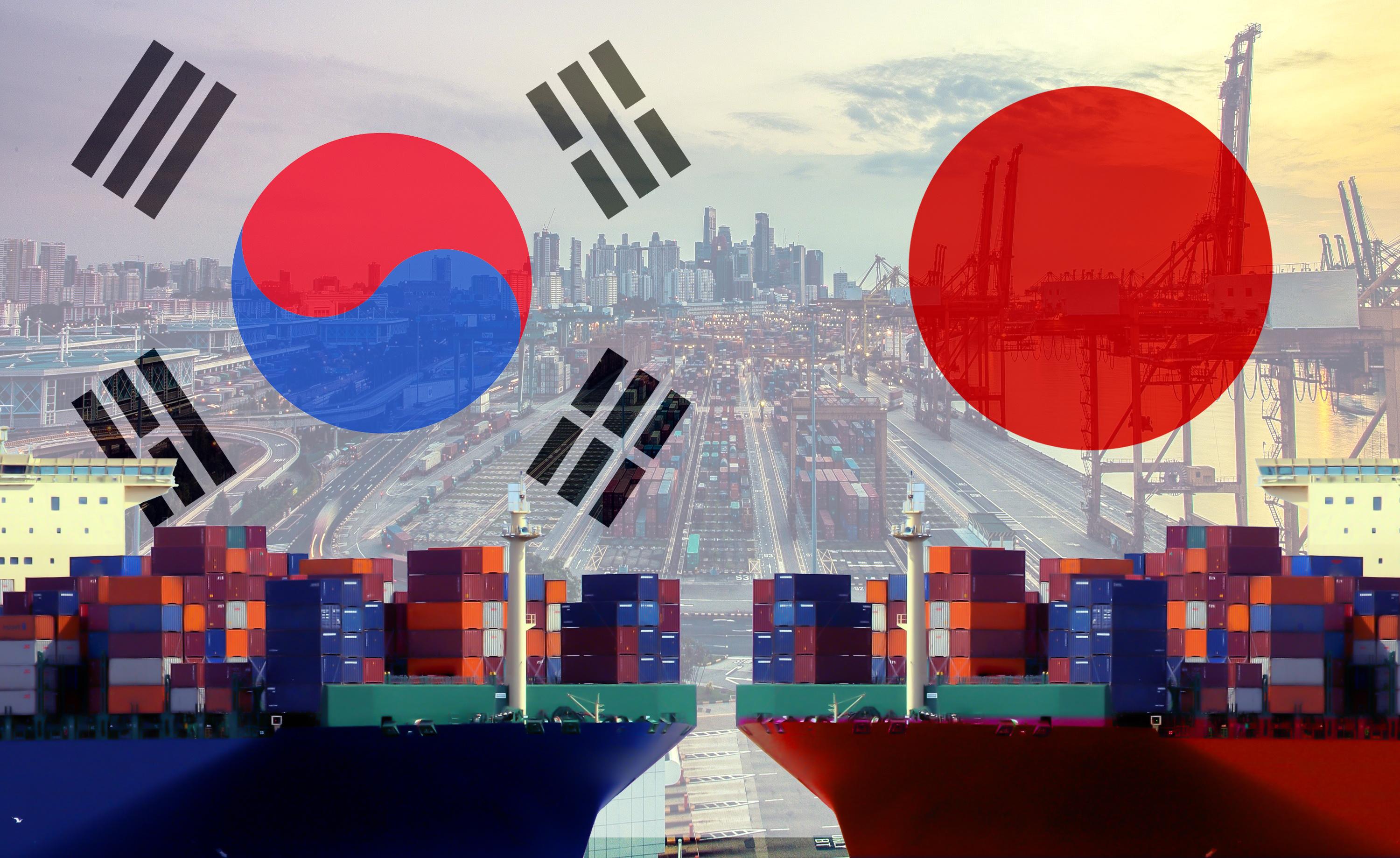
Japan did not retract export restrictions on three critical industrial materials imposed on South Korea in a row over wartime forced labor as the end of the latter's May deadline lapsed.
Consequently, South Korea may resume its complaint at the World Trade Organization (WTO) that it suspended in November.
The WTO can open up a panel to look further into the case when the two sides fail to reach an agreement.
Japan imposed the export curbs as well as removed South Korea from its list of trusted partners after the latter's Supreme Court ordered Japanese firms to compensate Koreans forced into hard labor during the latter's colonization from 1910-45.
However, experts say it's unlikely that South Korea would withdraw from the military information-sharing pact with Japan dubbed GSOMIA (General Security of Military Information Agreement), as it caused criticism and a strong objection from the United States.
A South Korean trade ministry official said they have been opening dialogue channels and will first analyze Japan's response before making further decisions.







