


 Iran Vows ‘Crushing’ Response as US Talks Continue
  Lula and Flavio Bolsonaro Tied in Brazil Runoff Poll
  Trump Scales Back Endangered Species Act Protections
  Trump Says ‘Freedom’ Is Coming to Cuba
  Trump Says U.S.-Iran Peace Deal Near After UN Talks
  US, Japan and South Korea Back Taiwan Ahead of Trump-Xi Summit
  Scott Bessent Eyed as Trump’s New AI Czar
  Kremlin Says No Grounds Yet for Ukraine Peace Talks
  Canada Unveils Bill to Fast-Track Major Resource Projects
  UK, Mauritius Seek Diego Garcia Base Deal
  Trump Board of Peace Unveils $2.45 Billion Gaza Recovery Plan
  Taiwan Vows to Advance US Arms Sales Ahead of Trump-Xi Meeting
  Marco Rubio to Meet Russia’s Lavrov in New York
  Trump Meets Venezuela’s Delcy Rodriguez at UN Assembly
  Paramount-Warner Bros $110 Billion Deal Draws Antitrust Backlash
  Zelenskiy Meets CIA Chief John Ratcliffe at Ireland’s Shannon Airport
  US, Denmark and Greenland Set to Sign Arctic Security Deal


 Add as a preferred source on Google
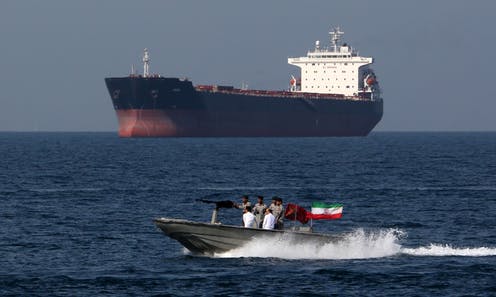
Iran's military reportedly fired at least two missiles at commercial vessels transiting the Strait of Hormuz on Monday night, marking a renewed escalation in one of the world's most critical shipping routes. According to an Axios report citing two U.S. officials, the attacks ended a week-long pause in hostilities established under a temporary understanding between the United States and Iran.
The report said two commercial ships were hit by Iranian missiles, sustaining significant damage. Despite the impact, no casualties were reported, offering some relief amid growing concerns over maritime security and global energy supplies.
Earlier on Monday, the United Kingdom Maritime Trade Operations (UKMTO) agency disclosed that it had received a report from a tanker traveling south near the Omani coast after it was struck by an unidentified projectile. The incident sparked a fire onboard, further heightening concerns about the safety of commercial shipping in the Strait of Hormuz, a key transit route for global oil exports.
The latest attacks come after the expiration of a one-week agreement between Washington and Tehran to suspend military actions in the strategic waterway. Axios reported that the renewed missile strikes place a memorandum of understanding signed less than three weeks ago at serious risk, potentially undoing recent efforts to reduce tensions in the region.
Diplomatic efforts have also shown little progress. Indirect talks between the United States and Iran held in Doha last week reportedly ended without a breakthrough on security arrangements for the Strait of Hormuz. The lack of meaningful progress has fueled uncertainty over whether both sides can prevent further confrontations.
According to the Axios report, the United States is now expected to consider retaliatory strikes against Iranian targets in response to the attacks. Such a move could further increase geopolitical tensions across the Middle East and raise concerns over disruptions to international shipping, oil markets, and regional stability.
Investors and energy markets are expected to closely monitor developments in the Strait of Hormuz, as any prolonged conflict in the vital maritime corridor could have significant implications for global trade, crude oil prices, and supply chains.







