


 Trump Says U.S.-Iran Peace Deal Near After UN Talks
  Lula and Flavio Bolsonaro Tied in Brazil Runoff Poll
  Trump Administration Plans Faster FDA Reviews for Smoke-Free Nicotine Products
  US Officials Split Over Response to Israeli West Bank Settlements
  Gaza Faces Evacuation Crisis as War-Damaged Buildings Risk Collapse
  Iran Vows ‘Crushing’ Response as US Talks Continue
  US Invites Putin to Miami G20, Opening Door to Trump Summit
  Burnham Eyes UK Leadership Role in AI Ahead of Trump Meeting
  Vietnam, US Trade Deal Could Be Signed Soon, To Lam Says
  Trump to Press Xi on Release of US Nuclear Expert Held in China
  Russian Envoy Dmitriev Heads to US for Ukraine Talks
  Europe Warns Russia Is Escalating Hybrid Attacks Across NATO
  Canada Unveils Bill to Fast-Track Major Resource Projects
  Ghana Says Western Support Growing for Slave Trade Reparations
  Russian Strikes Kill Eight Across Ukraine as Energy Sites Hit
  US, China Extend Trade Truce to Jan. 10 Ahead of Trump-Xi Summit
  China Tightens Fentanyl Rules Ahead of Trump-Xi Summit


 Add as a preferred source on Google
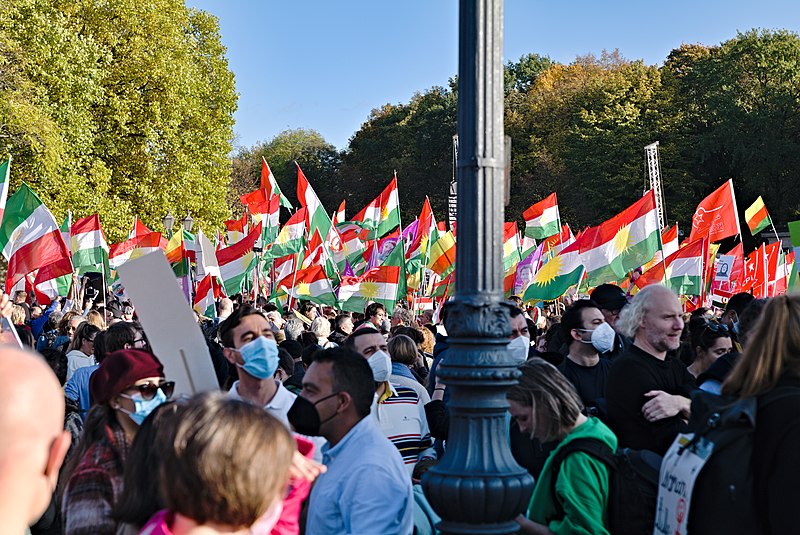
The Canadian government has imposed a new round of sanctions on Iran over human rights violations. This marks the fourth set of sanctions it has imposed on Tehran following its crackdown on the widespread anti-government protests in the country.
The Canadian foreign ministry issued a statement Monday, saying that it has implemented what would be the fourth round of sanctions on Iran, citing alleged human rights violations. The latest set of sanctions targeted four individuals and two entities, including senior Iranian officials and its Law Enforcement Forces, which Canada has accused of participating in the crackdown on unarmed protesters.
“The Iranian people, including women and youths, are risking their lives because they have endured for far too long a regime that has repressed and violated their humanity,” said Canadian foreign minister Melanie Joly in a statement. “Canada will continue to support the Iranian people as they courageously demand a better future.”
Canada has been imposing sanctions on Iran, citing alleged human rights abuses, including the death of Kurdish-Iranian woman Mahsa Amini back in September. Amini was arrested by the Morality Police for unsuitable attire and died three days while in custody. Amini’s death drew public outrage and sparked widespread protests across the country and in the world, with Tehran seeking to blame its adversaries, the United States and Israel, for the unrest.
Protests are still ongoing, with demonstrators calling for an end to Iran’s clerical regime and the downfall of its Supreme Leader, Ali Khamenei.
Also, as a result of the ongoing unrest in Iran, New Zealand has suspended its bilateral human rights dialogue with Tehran. New Zealand’s foreign minister Nanaia Mahuta said in a statement that the decision to suspend the dialogue with Iran was an indication that bilateral approaches on basic human rights were not possible with Tehran, citing how its leaders were denying rights as well as its violent crackdown on the anti-government protests.
“Violence against women, girls, or any other members of Iranian society to prevent their exercise of universal human rights is unacceptable and must end. This is clearly a difficult time for the people of Iran,” said Mahuta.







