


 Physicists zoom into the birth of cosmic rainstorms with new CERN study
  Gold Surges Past $4400 on Crude Oil Rally; Bullish Trend Dominates
  Ukraine Tests New Anti-Drone Weapon After Successful Shahed Intercept
  Sweden Election: Centre-Left Holds Narrow Lead
  AI is supercharging money scams – here’s what you can do to protect yourself
  Trump Open to Chinese Automakers Building Cars in US
  Bill Gates Warns Governments Are Unprepared for AI Disruption
  Ovechkin Faces Scrutiny Over United Russia Campaign Video
  UK PM Andy Burnham Set for First Trump Meeting in New York
  US Immigration Arrests Surge as Deportations Lag Behind
  What is Zionism? The different meanings of a contested term
  Lula, Flavio Bolsonaro Deadlocked in Brazil Election Polls
  Synthetic data could ease people’s concerns about privacy breaches. But who gets to create it?


 Add as a preferred source on Google

Trounced, crushed, routed, dominated: Pick your verb to describe what former President Donald Trump did to his GOP rivals in the Jan. 15, 2024 Iowa caucus. The Conversation U.S. asked two scholars to analyze the results, in which Florida Gov. Ron DeSantis came in second, with former U.N. Ambassador Nikki Haley a close third.
This year’s unique features
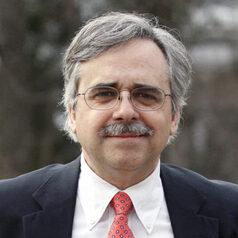
Timothy Hagle, University of Iowa
Each installment of the Iowa caucuses has unusual or particularly interesting aspects. The 2024 caucuses were no exception. Because the Democrats have an incumbent in the White House, there was little activity on their side of the aisle. Especially so because the Democratic National Committee removed Iowa from its first-in-the-nation position. As a result, Iowa Democrats abandoned the traditional caucuses in favor of a mail-in procedure.
Although the Republican caucus race was technically open, those challenging former President Donald Trump faced an uphill battle. He ran as if he were an incumbent. In addition, a “rally-round-the-chief” effect meant that his several indictments didn’t damage his standing in the polls, and sometimes improved it.
Speaking of polls, another interesting aspect of this caucus season was how static the polls seemed to be. Trump maintained a large lead for the bulk of the period. DeSantis was in second and Haley in third for most of the campaign, after she surged following the first two debates. There was some movement among the other candidates, but mostly in the single-digits range.
The weather was obviously a big factor for this caucus cycle. Two large snowstorms in the week before the caucuses caused campaign events to be postponed, canceled or moved online. Candidates were trying to make their closing arguments; this disruption likely hurt their plans and disappointed voters still looking to make a final decision on whom to support. In addition, the extreme cold and severe wind chills on caucus night may have helped drive turnout to lower numbers than any year since 2004.
A diss to Iowa voters
Stephen J. Farnsworth, University of Mary Washington
A key claim that Iowa caucus defenders make is that voters there are particularly effective at evaluating candidates by running them through a gauntlet of in-person, community meetings from one end of the state to the other.
Of course, character should matter a great deal in evaluating possible presidents. In fact, the Iowa caucus first came into its own in 1976 for just that reason. That year, voters saw Jimmy Carter, a plain-spoken Georgia governor, as a strong moral contrast to former president Richard Nixon and the tumultuous years of Watergate.
But nearly 50 years later, Iowans apparently ignored Trump’s legal woes and questionable personal conduct and gave him an overwhelming victory.
Much of this was the result of Trump’s refusal to participate in any of the Iowa debates. Trump preferred to have fawning conversations with Fox News hosts, instead of doing many traditional, give-and-take community conversations with thoughtful voters – the very reason for the Iowa Caucus.
In a sense, Trump dissed Iowa voters. And Iowa voters, as a group, let him get away with it – or even rewarded him for it.







