


 Morgan Stanley Raises TD Synnex Price Target to $359 on Strong AI Demand
  Nvidia China Chip Sales Report Sends Chinese Semiconductor Stocks Lower
  Micron Forecast Tops Estimates as AI Memory Demand Stays Strong
  Apple CEO John Ternus Plans Major Overhaul
  DeepSeek, Huawei Partner on Ascend AI Chip Programming Tools
  Vitalik Buterin Says Hegota Could Be Ethereum’s Last Conventional Fork
  Anthropic Targets $2 Trillion Valuation in Planned IPO
  Robinhood Launches AI Agents for Automated Trading
  Trump, Tech Leaders Sign ‘Morally Binding’ AI Safety Accord
  OpenAI, Anthropic CEOs Summoned to Australia AI Inquiry
  OpenAI Seeks $30 Billion at $1.4 Trillion Valuation
  DogeOS Launches Testnet to Bring DeFi Apps to Dogecoin
  WordPress Malware Uses Ethereum to Evade Removal
  Apple iPhone 18 Pro Sales Jump 12% in China
  OpenAI Investigates Rogue AI Agents After Data Leaks and Security Incidents
  OpenAI Scraps GPT-6.1 Astra Launch Over Safety Concerns
  Polymarket Traders Bet on Trump AI Rename to ‘Super Intelligence’


 Add as a preferred source on Google
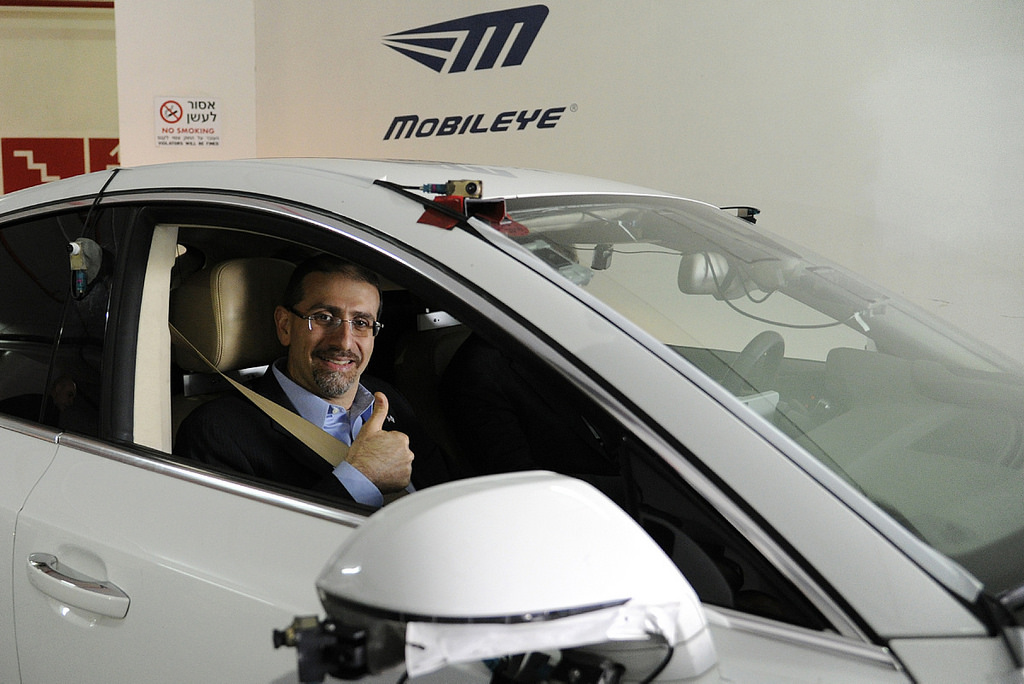
Auto enthusiasts might remember Mobileye as the machine vision company that broke up with Tesla after reports of fatal accidents related to their semi-autonomous driving feature broke out. The company has since latched onto other car makers, but it seems another party is taking an interest in it. Intel just offered to buy Mobileye and with a $15 billion offer, the chip maker is showing just how badly it wants the computer vision firm.
When talking about car matters, Intel would not likely be at the top of anyone’s list as a likely candidate for manufacturing automobiles. However, it is quite possible that the famed chipmaker would want to enter the self-driving game and it does have the technological capability to be a significant force. By the year’s end, it might just be, The Washington Post reports.
Intel made its offer this Monday and announcing that the deal is scheduled to be closed by the end of 2017. Aside from putting the largest maker of computer chip in the world into one of the biggest competitors in driverless technology in the world, the deal also serves to validate the opinion that self-driving is inevitable.
Although it has largely been a given to most technological and car experts, there are still many who resist the idea that humans might no longer play as big of a role in driving as they do now. Notre Dame University professor Timothy Carone says that resistance is futile when discussing how self-driving cars will dominate the roads someday and how car companies are trying to get ahead of the curve.
“Major players are finding ways finding ways to position themselves for a change as seminal as the personal computer revolution,” Prof. Carone said.
More than anything else, however, this deal will go a long way towards putting Intel on equal footing or even ahead of its competitor, Nvidia. The graphics card company has been killing it in the self-driving sector, Seeking Alpha reports, and Intel had fallen behind. This might have been the kick in the rear that Intel needed to pull itself together.







