


 Baidu Approves $5 Billion Share Buyback and Plans First-Ever Dividend in 2026
  Sony Q3 Profit Jumps on Gaming and Image Sensors, Full-Year Outlook Raised
  Missouri Judge Dismisses Lawsuit Challenging Starbucks’ Diversity and Inclusion Policies
  Nvidia, ByteDance, and the U.S.-China AI Chip Standoff Over H200 Exports
  Weight-Loss Drug Ads Take Over the Super Bowl as Pharma Embraces Direct-to-Consumer Marketing
  Prudential Financial Reports Higher Q4 Profit on Strong Underwriting and Investment Gains
  SpaceX Pushes for Early Stock Index Inclusion Ahead of Potential Record-Breaking IPO
  SoftBank Shares Slide After Arm Earnings Miss Fuels Tech Stock Sell-Off
  Nintendo Shares Slide After Earnings Miss Raises Switch 2 Margin Concerns
  FDA Targets Hims & Hers Over $49 Weight-Loss Pill, Raising Legal and Safety Concerns
  Alphabet’s Massive AI Spending Surge Signals Confidence in Google’s Growth Engine
  SpaceX Prioritizes Moon Mission Before Mars as Starship Development Accelerates
  OpenAI Expands Enterprise AI Strategy With Major Hiring Push Ahead of New Business Offering
  Nvidia CEO Jensen Huang Says AI Investment Boom Is Just Beginning as NVDA Shares Surge
  Nvidia Confirms Major OpenAI Investment Amid AI Funding Race
  Anthropic Eyes $350 Billion Valuation as AI Funding and Share Sale Accelerate


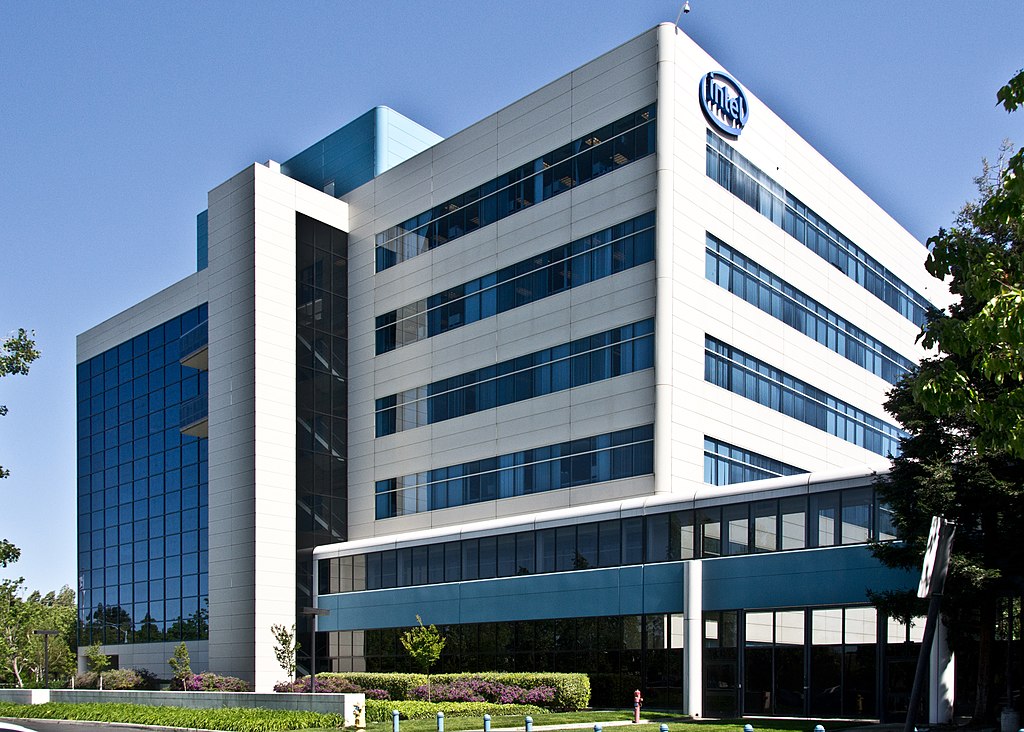
Intel has officially launched Panther Lake, its next-generation AI chip for laptops, at the CES 2025 trade show in Las Vegas, signaling a critical step in the company’s turnaround strategy and its push to regain market share in the highly competitive PC processor market. The launch is especially significant as Panther Lake is Intel’s first high-volume product manufactured using its advanced 18A process technology, a next-generation manufacturing node designed to restore Intel’s leadership in chip fabrication.
During the event, Jim Johnson, Intel’s senior vice president and general manager of its PC group, shared technical insights into the first Panther Lake lineup, branded as Intel Core Ultra Series 3. These processors introduce a new transistor architecture and an innovative power delivery method made possible by the 18A manufacturing process. According to Intel, these design advancements translate into up to 60% better performance compared to the prior-generation Lunar Lake Series 2 chips, many of which were produced by Taiwan Semiconductor Manufacturing Company (TSMC).
Intel CEO Lip-Bu Tan emphasized that the company has delivered on its promise to ship products built on the 18A process in 2025, positioning Panther Lake as a cornerstone of Intel’s long-term manufacturing and AI strategy. The stakes are high, as Intel aims to reclaim ground lost to rival Advanced Micro Devices in recent years.
One notable architectural change in Panther Lake is the use of a separate graphics chiplet, a modular mini-chip combined with other chiplets to form a complete processor. This approach improves scalability and performance efficiency, particularly for AI workloads and graphics-intensive applications. Intel also confirmed plans to release a handheld gaming platform based on Panther Lake designs later this year, targeting the fast-growing handheld PC gaming market.
Despite earlier reports of yield challenges in Panther Lake production, Intel executives say manufacturing yields are improving steadily. Meanwhile, competition is intensifying, with AMD and Nvidia also unveiling new AI-focused chips at CES, underscoring the accelerating race to dominate AI computing across PCs, data centers, and gaming devices.













