


 NASA Artemis II: First Crewed Moon Mission Since Apollo Takes Four Astronauts on 10-Day Lunar Journey
  Australia's Social Media Ban for Under-16s Sparks Global Movement
  NASA's Artemis II Crew Arrives in Florida for Historic Moon Mission
  Apple Turns 50: From Garage Startup to AI Crossroads
  OpenAI Executive Shake-Up Ahead of Anticipated 2026 IPO
  Britain Courts Anthropic Amid US Defense Department Dispute
  SpaceX Eyes Historic IPO at $1.75 Trillion Valuation
  Nanya Technology Shares Surge 10% After $2.5 Billion Private Placement from Sandisk and Cisco
  Chinese Universities with PLA Ties Found Purchasing Restricted U.S. AI Chips Through Super Micro Servers
  Microsoft's $10 Billion Japan Investment: AI Infrastructure and Data Sovereignty Push
  Apple's Foldable iPhone Faces Engineering Setbacks, Mass Production Timeline at Risk
  Samsung Electronics Posts Eightfold Profit Surge Driven by AI Chip Demand
  California's AI Executive Order Pushes Responsible Tech Use in State Contracts
  Meta and Google just lost a landmark social media addiction case. A tech law expert explains the fallout
  SMIC Allegedly Supplies Chipmaking Tools to Iran's Military, U.S. Officials Warn
  Federal Judge Blocks Pentagon's Blacklisting of AI Company Anthropic
  Rubio Directs U.S. Diplomats to Use X and Military Psyops to Counter Foreign Propaganda


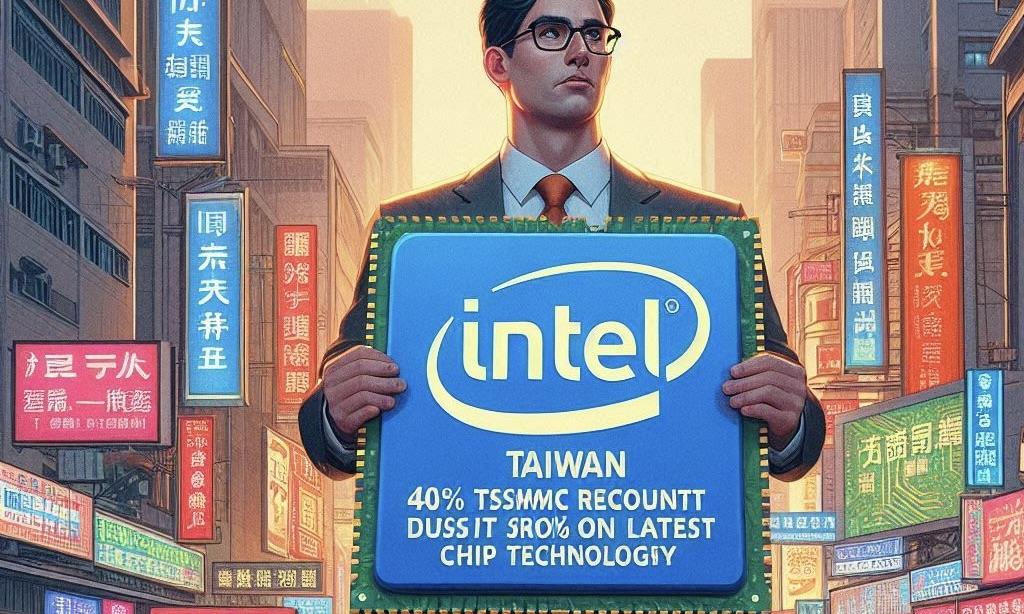
Intel CEO Patrick Gelsinger’s remarks about Taiwan’s stability reportedly strained ties with TSMC, leading to the loss of a 40% discount on its advanced 3-nanometer chip technology. TSMC’s rescinded offer forces Intel to face steeper production costs amid its efforts to compete in the global semiconductor market.
Intel Aims to Reclaim Chipmaking Leadership but Faces Pushback from TSMC's Chang
Intel CEO Patrick Gelsinger’s comments about Taiwan Semiconductor Manufacturing Company’s (TSMC) manufacturing presence in China reportedly strained relations between the two firms, ultimately causing Intel to miss out on significant discounts TSMC had offered. According to a recent Reuters report, TSMC had extended a 40% discount to Intel on its 3-nanometer manufacturing technology—an offer later rescinded following Gelsinger’s remarks.
Under Gelsinger's leadership, Intel has focused on regaining its status in the global chip manufacturing sector. It has set up a contract manufacturing division to compete with TSMC while simultaneously outsourcing some production needs to the Taiwanese firm. In 2021, TSMC’s 3-nanometer technology was the leading-edge chip manufacturing process, with the base cost of a wafer at $23,000. TSMC’s 40% discount would have reduced Intel’s price to around $14,000 per wafer.
At the time, Intel was actively pursuing U.S. government subsidies for its advanced manufacturing initiatives. Gelsinger underscored the geopolitical risks tied to Taiwan’s dominance in advanced chip manufacturing as part of this strategy. His comments at the Fortune Brainstorm Tech Conference in California included pointed remarks about Taiwan’s stability, questioning, “Does that make you feel more comfortable or less?” These statements drew a swift response from TSMC’s founder, Dr. Morris Chang, who publicly criticized Gelsinger’s approach, suggesting his focus was more on securing subsidies than outlining a clear competitive strategy. Chang advised that if Gelsinger aimed to compete with TSMC, he should focus on the firm’s vulnerabilities rather than airing concerns about Taiwan’s stability.
Intel Faces Profit Strain as TSMC Ends Discount, AI Sales Falter, and 18A Delays Loom
TSMC’s executives were unimpressed, and the strained relations led to the withdrawal of Intel’s discount, forcing the company to absorb the total cost for 3-nanometer products, which impacted its profit margins. Additionally, Reuters reports that Gelsinger’s projections for AI chip sales were more optimistic than internal expectations. Intel had to cancel a self-driving chip deal with Alphabet, incurring a penalty fee after the threat of legal action.
Intel and Alphabet declined to comment on the canceled deal. Meanwhile, an internal planning document from an Intel supplier, cited by Reuters, hints at potential delays in Intel’s 18A manufacturing process. Industry sources doubt that 18A will be ready for high-volume production by 2026. Qualcomm and Apple have reportedly declined to adopt the technology, citing technical concerns. Despite this, Intel maintains that the 18A process will launch next year, aiming to reclaim its leadership in advanced semiconductor technology.







