


 Australia Inflation Accelerates to 4% After RBA Rate Hike
  Oil Prices Slide as Middle East Flows Recover
  Gold Plunges 4% as Treasury Yields Surge and Fed Rate Hike Bets Rise
  US Treasury Bond Buybacks Fall Short Despite Expanded $6 Billion Cap
  Gold Steady as Softer U.S. Inflation Eases Fed Rate Hike Bets
  US Stocks Slip as Treasury Yields Ease, AI Trade Rebounds
  Gold Holds Near Seven-Week Low as Fed Rate Hike Bets Rise
  U.S. Stock Futures Steady as AI, Rate Concerns Weigh
  South Korea Exports Set for 16th Monthly Gain on AI Chip Demand
  Asian Stocks Rise as Chipmakers Rally on Micron Earnings
  US Alcohol Ban Exposes Canada’s Internal Trade Barriers
  Gold Prices Slip as High Treasury Yields Weigh on Bullion
  BOJ Signals Faster Rate Hikes as Inflation Risks Grow
  Fed’s Williams Signals One More Rate Hike Before Year-End
  Nasdaq Futures Jump as Micron Earnings Boost AI Trade
  US Dollar Hits Two-Month High as Aussie, Pound Slide


 Add as a preferred source on Google
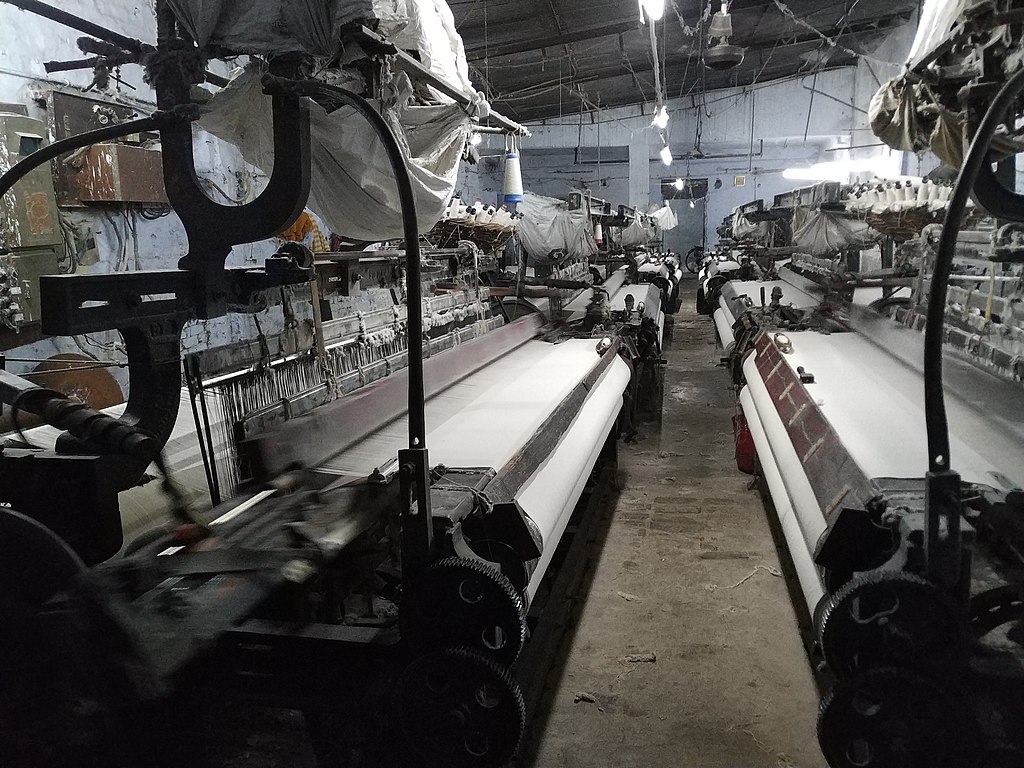
India’s manufacturing sector regained momentum in September, recording its strongest expansion in seven months as robust domestic and overseas demand boosted factory output, hiring and business confidence.
The HSBC India Manufacturing Purchasing Managers’ Index (PMI), compiled by S&P Global, climbed to 55.1 in September from a five-year low of 52.8 in August. Although the final reading was below the preliminary estimate of 55.7, it marked the highest level since February. A PMI above 50 indicates expansion in manufacturing activity.
New orders increased at their fastest pace since February, supported by stronger demand for electronics, food, pharmaceuticals and textile products. Export orders also accelerated as Indian manufacturers reported increased business from customers in Brazil, Europe, the United Arab Emirates and the United States.
Factory output expanded sharply, posting its strongest growth since May as companies responded to rising orders and healthy demand. Manufacturers also increased purchases and accumulated inventories in anticipation of stronger sales.
“Companies bought more materials and built up stocks to prepare for anticipated sales. Finished-goods inventories recorded their second-largest increase in nearly 12 years, signalling a clear shift from leaner stock levels,” said Pranjul Bhandari, chief India economist at HSBC.
Improving demand also revived employment. Manufacturing jobs grew at their fastest pace since May, reversing August’s decline, which had marked the first reduction in factory employment in two-and-a-half years.
Meanwhile, business confidence reached a four-month high, supported by fresh enquiries and expectations that demand will remain strong.
Inflationary pressures increased, with input costs rising faster than in August due to higher prices for electronic components, pharmaceutical products and steel. However, both input and selling-price inflation remained below their long-term averages.
India’s broader inflation rate remained above the Reserve Bank of India’s 4% medium-term target for a third consecutive month in August, driven by higher food and energy costs. The RBI is expected to raise interest rates by a combined 50 basis points this year, taking the policy rate to 5.75%.







