


 Asian Currencies Mixed as Yen Weakens, RBA Hike Looms
  Australia Budget Deficit Narrows to A$22.3 Billion on Stronger Tax Revenue
  Asian Stocks Fall as Oil Surge, Bond Yields and AI Concerns Hit Markets
  U.S. Stock Futures Steady as AI, Rate Concerns Weigh
  US Stocks Face Jobs, Inflation Test as Fed Rate Hike Bets Rise
  Europe’s AI Data Centre Boom Strengthens Case for Nuclear Power
  Gold Holds Near Seven-Week Low as Fed Rate Hike Bets Rise
  Japan Warns Markets Over Yen Weakness
  U.S. Stock Futures Fall as Iran, Oil and AI Risks Rattle Markets
  Asian Currencies Weaken as Dollar, Oil Prices Rise
  Hong Kong Home Prices Stabilize in August After July Decline
  XRP Price Targets $1.70 as Bullish Momentum Builds
  RBA Set for September Rate Hike as Inflation Stays High
  Nvidia China Chip Sales Report Sends Chinese Semiconductor Stocks Lower
  Oil Prices Rise as Iran Holds Firm on Strait of Hormuz Deal
  Gold Slides Below $4,300 as Oil Surge Fuels Fed Rate Hike Bets
  UK Housebuilder Stocks Surge on New First-Time Buyer Loan Scheme


 Add as a preferred source on Google




Ahead of this week’s budget, Treasurer Jim Chalmers says he wants Australians to prepare for a serious conversation about how to pay for the services we need.
We’ve developed a proposal to make that conversation more real.
Australians pay a lot of tax (although less than in some other countries) and we pay it in a lot of ways: through income tax, the goods and services tax, excise duties, stamp duties, council rates, and capital gains tax.
Most of us accept tax, if grudgingly. But many aren’t happy with how it is spent.
Enter TaxTrack – our hypothetical proposal for democratising taxation, details of which are to be published in the Australasian Parliamentary Review.
Our idea is that Australians who want a greater say in where their taxes go could be given a TaxTrack number, which would trace those dollars and direct them only to places they wanted them to go.
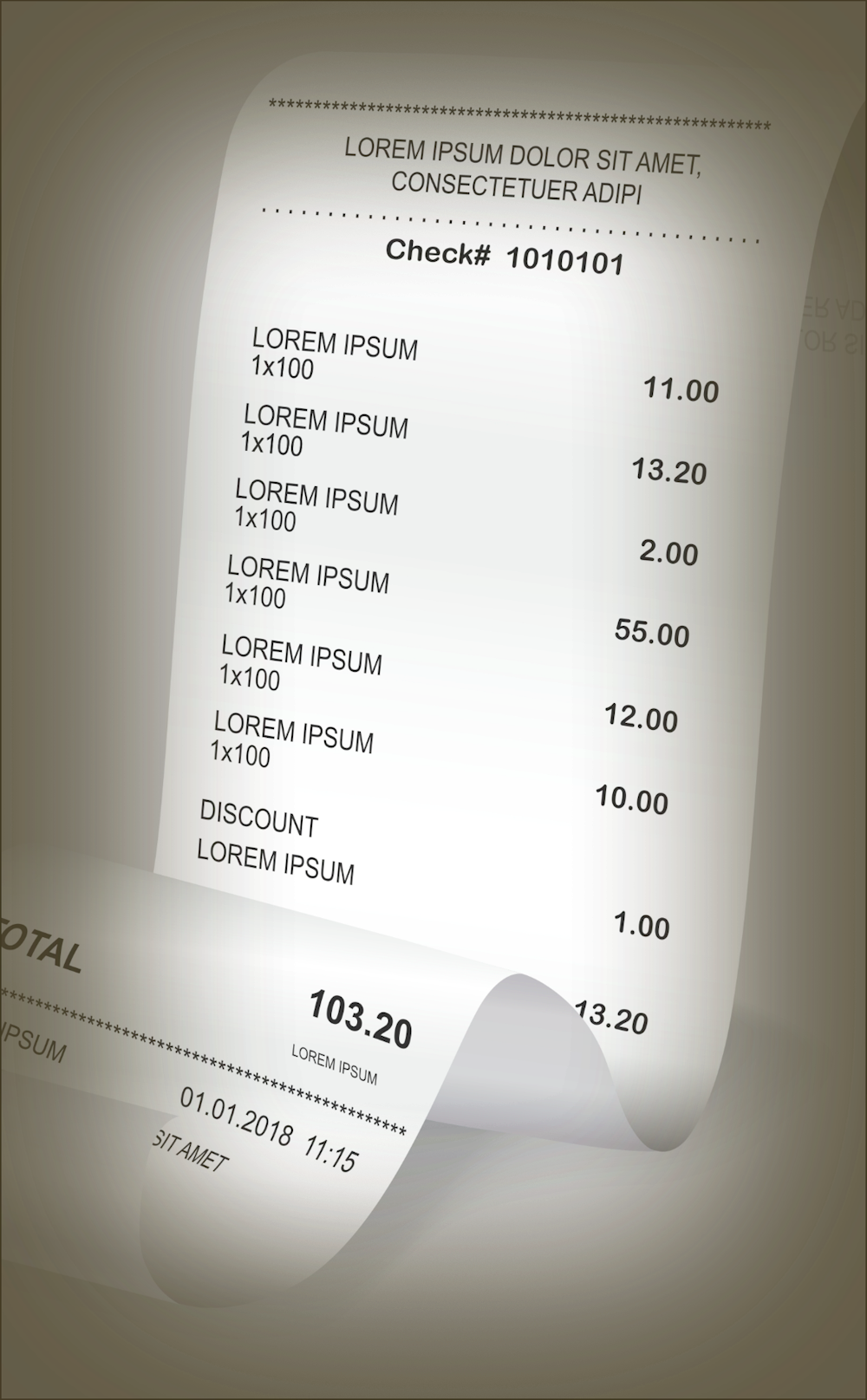
An app could display the invoices a user’s taxes had paid. Shutterstock
If they wanted, they could view the invoices their contributions had helped pay, and they could specify which invoices their contributions should not pay – perhaps by prohibiting the spending of their money on things such as military ammunition, or specifying that a certain proportion was directed to healthcare.
Governments would have to work with those instructions, cutting spending in areas that lacked support and boosting it in areas for which there was overwhelming support.
It would give taxpayers a lot of power, and a good deal more engagement.
The idea borrows from previous experiments with “participatory budgeting”, including one in the Brazilian city of Porto Alegre in the 1980s.
But whereas these experiments gathered citizens together to discuss the outputs of budgets (as Chalmers is proposing) ours would empower citizens at the input stage, using technology that has only recently become available.
What are the drawbacks?
We foresee problems. One is that necessary but unpopular activities might not be funded. For instance, administration, and tax collection itself, tend to be unpopular and could face a squeeze.
Taxpayers might also decide to look after themselves. The young might strip pensions from the old. The old might cut funding that goes to the young.
Public forums and deliberative citizens’ panels would likely be needed to work through the contradictions.
But the forums, and the agency the system would give to citizens, would connect them more strongly to government and help combat the political disenchantment seen in the United States and elsewhere.
At this stage it’s only an idea, albeit one that has become technologically feasible. It mightn’t yet be politically feasible. But things are moving in that direction.
Given Chalmers’ exhortation to the Australian people to have a “serious conversation” about how to fund public services, our proposal (or something like it) would offer people a practical way to do it.
Jean-Baptiste Colbert, finance minister to Louis XIV, famously declared the art of taxation “consists in so plucking the goose as to obtain the largest possible amount of feathers with the smallest possible amount of hissing”.
It might be time for the goose to decide how its feathers are used.







