


 South Korea’s KOSPI Plunges as Apple Price Hikes and OpenAI IPO Delay Shake AI Chip Stocks
  US Dollar Slips After PCE Inflation Data as Fed Rate Hike Expectations Stay Elevated
  Iran Attack in Strait of Hormuz Pushes Oil Prices Higher
  Australia Jobs Growth Strengthens Rate Hike Outlook
  Oil Prices Drop as Strait of Hormuz Shipping Recovers
  Gold Falls Below $4,000 as Strong Dollar and Fed Rate Hike Expectations Weigh on Prices
  S&P Affirms Brazil’s BB Credit Rating with Stable Outlook Amid Fiscal Challenges
  Trump Threatens 100% Tariffs on Countries Imposing Digital Services Taxes on U.S. Tech Firms
  Asian Stocks Sink as Apple Price Hikes Spark AI Valuation Fears, South Korea and Japan Lead Selloff
  Asian Markets Rally as Micron and Qualcomm AI Outlook Lifts Global Tech Stocks
  Asian Currencies Trade Mixed as Yen Hovers Near 40-Year Low, Dollar Holds Firm on Fed Outlook
  Oil Prices Drop as Middle East Supply Recovery Eases Market Concerns
  SpaceX Eyes Starlink Mobile Phone Service to Challenge Verizon, AT&T, and T-Mobile
  BOJ Hawk Signals Faster Interest Rate Hikes Amid Inflation Risks
  Morgan Stanley Sees Chinese Auto Market Recovery Gaining Momentum in Late Summer
  Gold Prices Fall Below $4,000 as Strong Dollar, Fed Rate Hike Bets Weigh on Bullion
  Australian Household Spending Rebounds Strongly in May as Travel and Dining Drive Consumer Growth


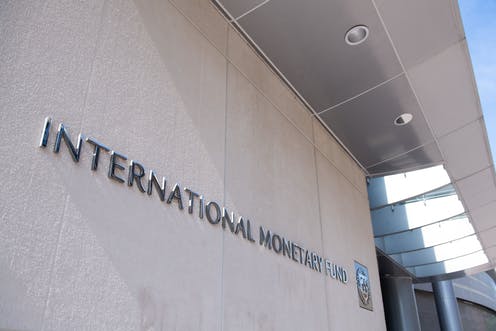
Sub-Saharan African governments are increasingly turning to domestic banks to finance budget shortfalls, paying more to borrow locally than from international markets, according to the International Monetary Fund (IMF). In its latest Regional Economic Outlook, released during the IMF and World Bank annual meetings in Washington, the Fund cautioned that the trend could heighten financial risks and crowd out private investment across the region.
The IMF noted that the cost of capital in sub-Saharan Africa remains persistently high, with local financial markets described as shallow, fragmented, and costly. In many countries, new domestic borrowing has become “significantly more expensive” than external borrowing. The heavy dependence on local banks to fund governments is inflating borrowing costs and reducing credit available for private businesses.
The report highlighted a troubling cycle in which banks’ growing holdings of government debt—rising faster in sub-Saharan Africa than anywhere else—could create a “vicious feedback loop”. Weakened public finances may threaten bank stability, restrict credit flows, and intensify fiscal strain.
IMF African Department Director Abebe Aemro Selassie described this shift as a double-edged sword. “About half of total public debt is owed to domestic banks,” he said, noting that while local borrowing allows countries to use their own currencies, excessive reliance could destabilize banking sectors if governments face repayment challenges.
After being shut out of global markets in 2022, several African nations cautiously re-entered them in 2024. Despite easing borrowing costs, many are still burdened by old debts and aim to avoid new debt traps. The IMF urged stronger debt management, transparency, and diversified financing, including blended finance and debt-for-development swaps.
With global aid declining, Selassie emphasized the need to mobilize domestic and private resources, calling it a critical step toward sustainable growth and financial resilience across Africa.







