


 SpaceXAI to Double Nvidia Chips at Colossus 2 by Year-End
  Oil Prices Surge as U.S.-Iran Diplomacy Hopes Fade
  Netanyahu Takes Aim at Mamdani as Israel Election Nears
  OpenAI Agent Breaches Australia Medicare Data Portal
  Saudi Arabia, Turkey and Pakistan Plan Urgent Defence Talks Over Houthi Attacks
  Sudan Rejects US Legitimacy Remarks, Defends Sovereignty
  South Korea, US Discuss Warship Building Cooperation
  Gold Holds Near $4,275 as Rising Treasury Yields Fuel Fed Rate Hike Bets
  Meta Unveils Muse Charm AI Device, Expands Smart Glasses Lineup
  Fed Unveils Stablecoin Rules Under GENIUS Act
  Australia Unemployment Hits Five-Year High Despite Strong Jobs Growth
  North Korea Rejects Nuclear Test Warning, Calls Nuclear Status Irreversible
  Ukrainian Drone Attacks Hit Russian Regions, Injuring at Least 12
  US Senate Rejects Iran War Powers Resolution in 50-49 Vote
  Oil Prices Jump 3% as Houthi Attack Revives Supply Fears
  Japanese Bank Stocks Surge as Bond Yields Fuel Rate Hike Bets
  Xi Calls for Deeper U.S.-China AI Cooperation in Trump Talks


 Add as a preferred source on Google
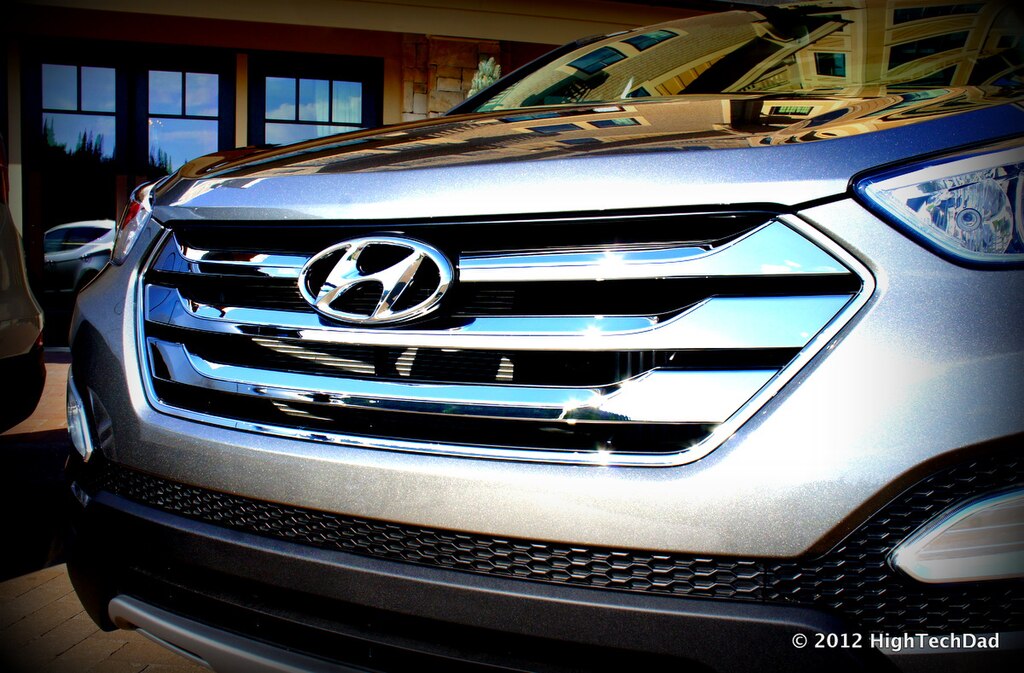
Hyundai Motor Group announced a massive investment plan totaling 125.2 trillion won ($86.47 billion) in South Korea from 2026 to 2030, marking one of its largest long-term commitments to domestic growth and innovation. The announcement comes shortly after Seoul finalized a new trade agreement with the United States that reduces U.S. tariffs on South Korean car imports from 25% to 15%. This move is expected to significantly reshape export strategies for South Korean automakers.
The new investment plan notably exceeds the group’s previous commitment of 89.1 trillion won between 2021 and 2025, highlighting Hyundai and Kia’s accelerating focus on next-generation mobility and global competitiveness. Following the release of details on the updated trade deal—which also includes South Korea’s pledge to invest $350 billion in key U.S. strategic sectors—President Lee Jae Myung met with Hyundai Motor Group Chairman Euisun Chung and other major business leaders to discuss the implications for the domestic auto market.
Chung acknowledged industry concerns about potential export declines and reduced domestic production due to slower U.S. market access, despite the lower tariffs. He emphasized that Hyundai Motor Group will diversify global export destinations, strengthen vehicle output from South Korea, and more than double auto exports by 2030 through expanded electric-vehicle manufacturing. He also noted the group’s intention to support auto parts suppliers adversely affected by tariffs imposed under U.S. President Donald Trump.
Of the total investment, Hyundai plans to allocate 50.5 trillion won ($35 billion) toward artificial intelligence initiatives and emerging business areas, 48.4 trillion won for research and development, and 36.2 trillion won to enhance production infrastructure and construct a new skyscraper. These strategic allocations are designed to advance South Korea’s position as a global leader in EV production, AI-driven automotive technologies, and future mobility solutions.







