


 China Agrees to Buy 20 Million Tons of U.S. Coal
  European Stocks Fall as Bond Yields and Geopolitical Risks Weigh
  Dollar Falls as Oil Eases, Yen Jumps on Intervention Signals
  Fed’s Hammack Says Bond Yield Surge Is Not Driven by Inflation Fears
  South Korea Tax Windfall Could Top 50 Trillion Won on Chip Boom
  US Comfortable With Canada Trade Standoff as Import Bans Loom
  U.S. Dollar Hits Two-Month High as Oil, Treasury Yields Surge
  Gold Holds Near $4,275 as Rising Treasury Yields Fuel Fed Rate Hike Bets
  Trump, Xi Focus on Trade and AI at White House Summit
  Oil Prices Fall on U.S.-Iran Hormuz Deal Hopes
  Germany’s 2026 Growth Outlook Strengthens on Fiscal Spending
  Fed Unveils Stablecoin Rules Under GENIUS Act
  ECB May Stop Rate Hikes After December, Capital Economics Says
  US Stock Futures Fall as Treasury Yields Surge Ahead of Trump-Xi Summit
  U.S. Treasury Yields Surge as 30-Year Hits 22-Year High
  Fed Unveils Stablecoin Rules Under GENIUS Act
  Oil Prices Jump 3% as Houthi Attack Revives Supply Fears


 Add as a preferred source on Google
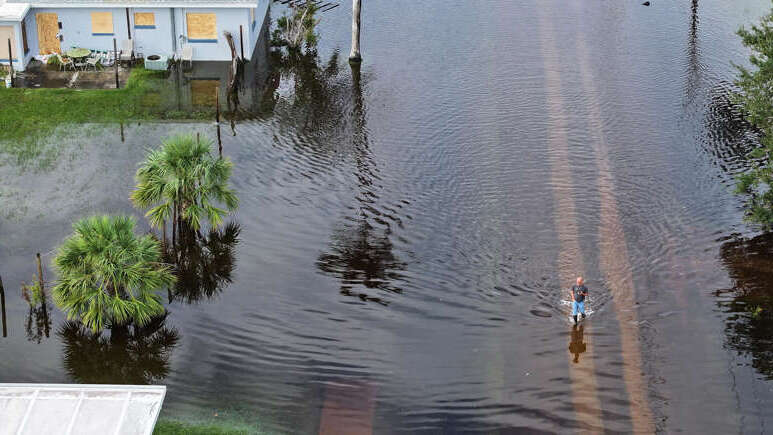
Hurricane Milton has the potential to cause up to $50 billion in insured losses for Florida property owners, pushing the state’s total estimated insurance losses beyond $100 billion in 2024, according to a report published by Fitch Ratings. This significant financial impact raises concerns about the already strained Florida homeowners’ insurance market.
On Thursday, the Category 3 hurricane tore through Florida, leaving a trail of devastation. The storm has already claimed the lives of at least 10 people and left millions without power. Despite this destruction, the state narrowly avoided the "worst-case scenario," which had previously been predicted to cause as much as $100 billion in insured losses from Hurricane Milton alone.
However, according to updated estimates from Fitch Ratings, Hurricane Milton is now expected to result in insured losses between $30 billion and $50 billion. This figure makes Milton the most significant insured loss event since Hurricane Ian in 2022.
This comes on the heels of Hurricane Helene, which struck Florida just two weeks earlier. With Milton’s destruction factored in, total insured losses for the state are now expected to surpass $100 billion for the fifth consecutive year, Fitch analysts noted.
Rising Costs May Exacerbate Losses
A key factor influencing the ultimate loss figures will be the demand surge for supplies and materials needed for property repairs and rebuilding efforts. Historically, this demand has increased insured losses by 20% or more, according to the Fitch report.
Impact on Insurers
While Hurricane Milton's damage is significant, well-capitalized large property and casualty insurers, as well as global reinsurers, are unlikely to face serious credit issues. Domestic insurers, protected by reinsurance programs, are expected to absorb most of the financial impact. However, analysts warn that these insurers remain vulnerable if additional hurricanes strike during this season.
"The destruction caused by Hurricane Milton will further weaken Florida’s already precarious homeowners' insurance market," Fitch analysts stated. The ongoing strain raises concerns about the future stability of the state's insurance industry if similar events continue to occur in the near future.
Conclusion
As Florida faces another challenging hurricane season, the cumulative impact of storms like Milton continues to test the resilience of the state’s insurance market. Insurers, property owners, and local authorities must now prepare for both immediate recovery efforts and long-term strategies to mitigate the increasing risks posed by severe weather events.







