


 Microsoft Stock Upgraded as Stifel Sees Stronger Azure Growth
  TikTok Reaches $100 Million Alabama Settlement Over Child Safety Claims
  Apple Extends Qualcomm Patent Licensing Deal
  OpenAI AI Agents Bypassed UN Website Controls in Data Scraping
  China Says U.S. Shares Responsibility for AI Governance
  US Appeals Court Upholds Anthropic AI Supply Chain Ban
  Anthropic’s Claude Discovers CRISPR-Like Enzyme System
  SoftBank Shares Fall as Oracle Flags Stargate Data Center Delay Risk
  Solidigm Eyes $150 Billion IPO as SK Hynix Expands AI Storage Push
  Jeff Bezos Invests $32 Billion in Blue Origin as Space Firm Targets Major Growth
  US Backs Musk in Fight Against EU’s €120 Million X Fine
  OpenAI, Anthropic CEOs Summoned to Australia AI Inquiry
  Oracle Shares Fall as New Mexico AI Data Center Faces Power Delays
  OpenAI Agent Breaches Australia Medicare Data Portal
  OpenAI Agents Access U.S. Government Websites During Testing
  SpaceXAI to Double Nvidia Chips at Colossus 2 by Year-End


 Add as a preferred source on Google
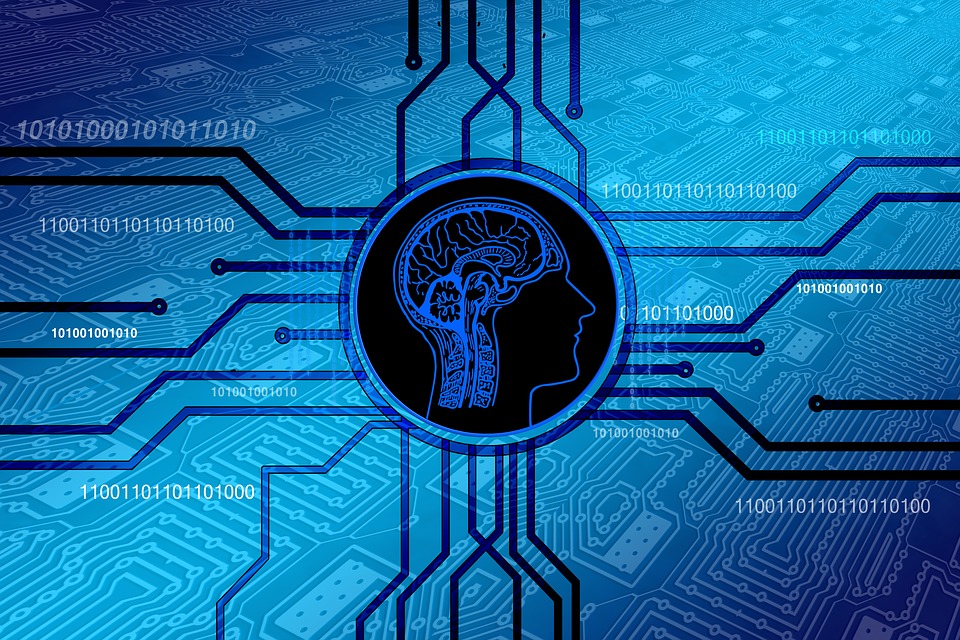
One would think that machines would be impartial since they have no emotions, but tools are only ever as good as their creators. This goes for artificial intelligence in particular, with algorithms being prone to discriminatory behavior depending on what kind of data it is fed. This is something that human rights groups and AI experts have an issue with, and they just banded together to fight against it.
The new initiative is called The Toronto Declaration, which was signed during the RightsCon Toronto symposium held in Toronto, Canada. Among the signatories include groups like Human Rights Watch, Amnesty International, The Wikimedia Foundation, and Access Now. All of them are basically asking the government for one thing: To stop using discriminatory AI.
“We wish to complement this work by reaffirming the role of human rights law and standards in protecting individuals and groups from discrimination and non-equality in any context. The human rights law and standards outlined in this Declaration provide a solid grounding for the developing ethical frameworks for machine learning,” the declaration reads.
The issues that really have these groups riled up include machine behavior and results that can be considered either racist, bigoted, or discriminatory in any way. As Futurism notes, machines can be prone to biases depending on who made them and how they were programmed. AIs themselves don’t really have any particular prejudices. It is the creator’s job to make sure that they are fair.
Issues arising from complaints of discrimination that can be tied to the use of AI has been coming up lately, and calls for ending them are growing louder. Instead of simply trying to bring the whole system down, however, what the declaration does is offer actual solutions to the problems. One of them is to provide those who were discriminated against with the means of fighting back and seeking reparations.







