


 Rosenblatt Starts Nokia at Buy on AI Networking Growth
  US Federal Register Drops Alibaba Qwen AI Search Tool
  SK Hynix, Intel Discuss U.S. Memory Chip Production Deal
  Westinghouse Targets $50 Billion Valuation in U.S. IPO
  Qualcomm Gains on $60B Amazon AI Chip Deal
  DOJ Will Investigate AI-Related Crimes, Attorney General Blanche Says
  Big AI wants to slow down AI research. Is it a safety pause or a strategic retreat?
  Apple Pay Set for India Launch With Axis Bank
  Who should own the knowledge that underpins AI technology?
  Cathie Wood Backs AI Slowdown as Safety Concerns Grow
  Microsoft Stock Upgraded as Stifel Sees Stronger Azure Growth
  NASA, Boeing Discuss Expanding Starliner Missions
  SpaceX Nasdaq 100 Weight to More Than Double in Rebalance
  Databricks to Invest $350 Million in Singapore AI Expansion
  Scott Bessent Eyed as Trump’s New AI Czar
  Hyundai CEO Warns Chinese Automakers Could Disrupt US Market
  OpenAI Urges US-Led Global Standards for Frontier AI


 Add as a preferred source on Google
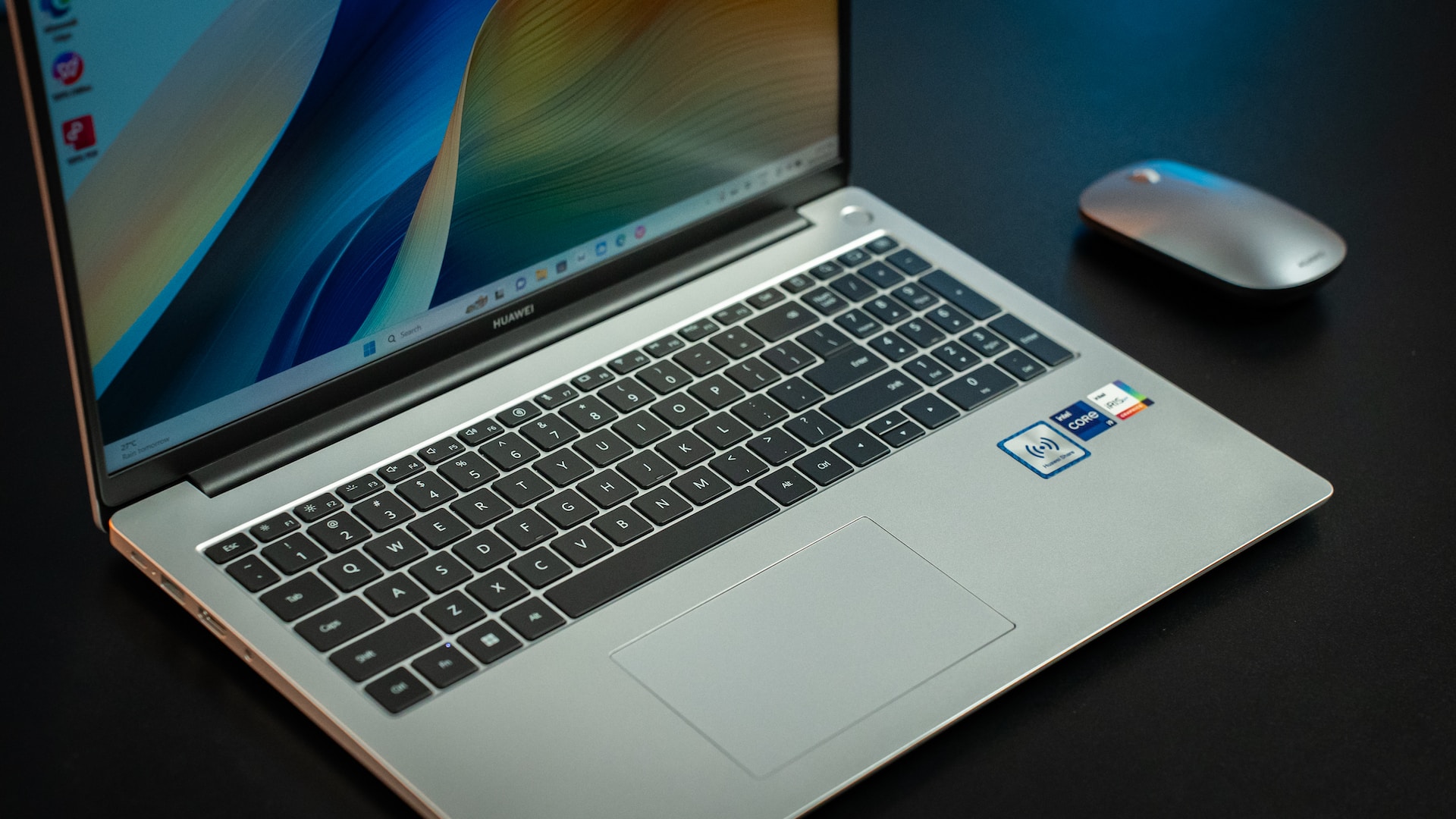
Huawei has introduced the Kirin 9006C for its Qingyun L540 and Qingyun L420 notebooks. Unfortunately, the single-core and multi-core performance, like that of the Kirin 9000S and Kirin 9000SL, has yet to equal what the competition offers, but that is how difficult things become when global trade prohibitions limit your alternatives.
Single-core, Multi-core Scores for Huawei's Kirin 9006C Reveal Disappointingly Slow SoC
Several PCs equipped with the Kirin 9006C have been tested, and the single-core and multi-core results are available on Geekbench 6. One Qingyun L420 unit scored 1,229 and 3,577, which is quite disappointing given that the SoC is designed to function in laptops, which require greater computing power than smartphones.
Unlike the majority of brands that run Windows 10 and Windows 11, Huawei's Qingyun L540 and Qingyun L420 run a proprietary operating system known as “UnionTech OS Desktop 20 Pro.” Because the operating system is lighter than Windows 10 or Windows 11, a high-end chipset is not required.
If Huawei is given the option to return to Microsoft's platform, it will need to create something with a little more oomph. We discovered that the Kirin 9006C's single-core and multi-core results are slower than the Snapdragon 8cx Gen 3, a Qualcomm SoC that lags far behind Apple's M2 in the same test.
Kirin 9006C: Huawei's Pursuit of Semiconductor Independence Despite Performance Hurdles
Just yesterday, it was discovered that the Kirin 9006C is a 5nm SoC developed by TSMC, not SMIC. While Huawei is lagging in the semiconductor race, a 5nm chipset still has good power-efficiency properties. In short, the Qingyun L540 and Qingyun L420 should outlast the average notebook in their class, but that doesn't change the reality that the Kirin 9006C is weak.
SMIC, China's largest semiconductor company, is pursuing 5nm wafer development using existing DUV machinery, as per WCCFTech. While this method will be more expensive and time-consuming, not to mention result in lower yields, Huawei likely wants independence from foreign companies and the US in order to design chipsets that can compete with Apple's M-series and Qualcomm's Snapdragon X Elite.
Photo: Amanz/Unsplash







