


 OpenAI Urges US-Led Global Standards for Frontier AI
  Apple Extends Qualcomm Patent Licensing Deal
  Scott Bessent Eyed as Trump’s New AI Czar
  Former OpenAI Data Center Chief Chris Malone Joins Nvidia
  US Backs Musk in Fight Against EU’s €120 Million X Fine
  Japan, U.S. Discuss $19 Billion GlobalFoundries Chip Plant
  China’s ‘Lipstick King’ Says AI Won’t Replace Livestream Hosts
  BlackBerry Shares Rise as Q2 Earnings, Revenue Beat Estimates
  SpaceX Nasdaq 100 Weight to More Than Double in Rebalance
  Westinghouse Targets $50 Billion Valuation in U.S. IPO
  Anthropic’s Claude Discovers CRISPR-Like Enzyme System
  NASA, Boeing Discuss Expanding Starliner Missions
  SoftBank Raises $11.1 Billion in Bond Sale to Fund OpenAI Investment
  Hyundai CEO Warns Chinese Automakers Could Disrupt US Market
  OpenAI Agent Breaches Australia Medicare Data Portal
  Meta Partners With Shopify to Bring Shop Pay Checkout to Muse AI


 Add as a preferred source on Google
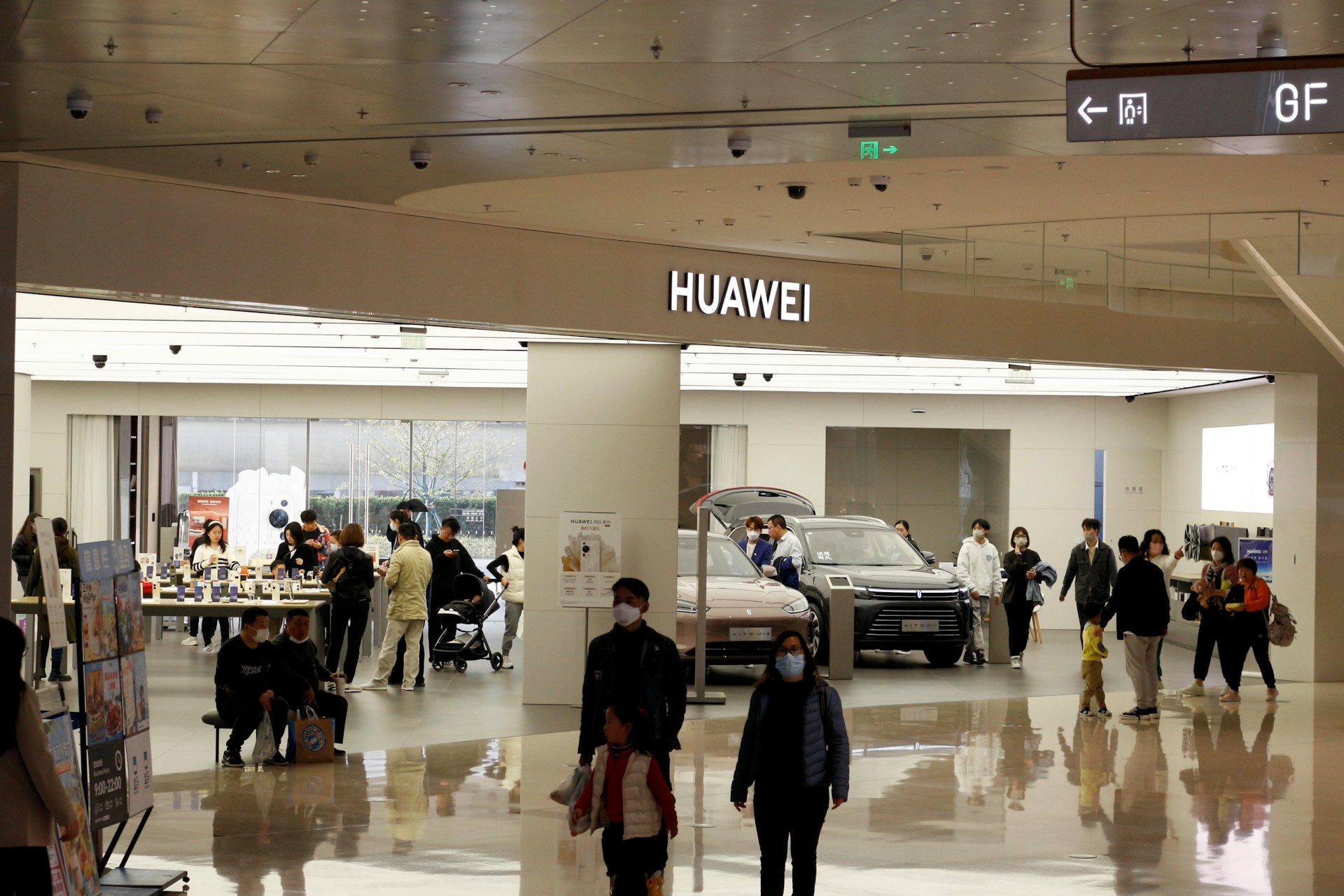
Huawei Executive Zhang Pingan announced that the company is prioritizing improvements in 7nm chip yields and addressing related issues before shifting focus to 5nm and beyond, due to ongoing trade sanctions and reliance on SMIC.
Huawei Focuses on 7nm Chip Refinement Amid Trade Sanctions, Partnering with SMIC for Future Kirin Releases
Due to trade sanctions imposed on the company, Huawei must rely on its local foundry partner, SMIC, to advance the manufacturing processes for future Kirin releases. SMIC, China's largest semiconductor company, has effectively developed the 5nm process.
According to Wccftech, the Kirin 9100, anticipated to be included in the Mate 70 series, is expected to utilize this node. However, a Huawei executive announced their interest in resolving 7nm-related issues and transitioning to an enhanced manufacturing process, indicating a potential shift in the partnership dynamics.
Zhang Pingan, Huawei's Executive Director, has made it clear in a keynote published on Bilibili that the company's primary objective is not to transition to the 5nm or 3nm process. Instead, Huawei strategically focuses on refining the 7nm process, fully aware that it may encounter yield issues and other complications.
This approach, as reported by Huawei Central, underscores the company's commitment to concentrate on the chipset's actual capabilities rather than a singular manufacturing process. This strategic focus holds the potential to lead to the development of more efficient and powerful chipsets, instilling a sense of optimism about their decision-making.
Huawei will have adequate bandwidth to resolve the semiconductor's deficiencies if the chip's architecture can be enhanced. Reports indicate that SMIC's 5nm wafers could be up to 50% more expensive than TSMC's on the same node. This is likely due to SMIC's continued use of older DUV equipment instead of EUV. The cost difference, while significant, may be justified by the strategic benefits of working with a local partner and the potential for technology transfer.
Huawei and SMIC Collaborate to Tackle 7nm Chip Challenges, Facing Hurdles Without Advanced EUV Machinery
Despite the challenges posed by the trade sanctions, there is a potential for a fruitful collaboration between Huawei and SMIC. This partnership could pave the way for overcoming the production challenges with 7nm chipsets like the Kirin 9000S and Kirin 9010. If successful, the collaborative approach could address the current issues and instill confidence in the audience about the company's problem-solving capabilities.
However, it remains to be seen whether Huawei and SMIC can thoroughly address the 7nm issues mentioned by the executive without acquiring advanced EUV machinery. The lack of this equipment could pose significant challenges, potentially leading to slower production, higher costs, or lower quality.
Nonetheless, both organizations may be aware of information unknown to the public, which they may exploit. This could include alternative manufacturing techniques, innovative process optimizations, or strategic partnerships that mitigate the impact of the equipment ban.
Photo: P. L./Unsplash







