


 Who should own the knowledge that underpins AI technology?
  Oil Prices Tumble on U.S.-Iran Diplomacy Hopes, Supply Relief
  U.S. Stock Futures Rise Ahead of Trump-Xi Summit, Middle East Risks Weigh
  Gold Prices Hold Steady Ahead of Trump-Xi Summit, Middle East Risks
  Vietnam Stocks Join FTSE Emerging Market Indexes, Unlocking Billions in Foreign Investment
  US, Japan and South Korea Back Taiwan Ahead of Trump-Xi Summit
  Yen Weakens as Dollar Gains on Widening US-Japan Rate Gap
  China’s robots can run faster than Usain Bolt – now they are being prepared for war
  Vietnam, US Trade Deal Could Be Signed Soon, To Lam Says
  Dollar Hits Two-Month High as Fed Rate Hike Bets Rise
  UK Home Asking Prices Rise for First Time Since May
  Asian Currencies Muted as Dollar Firms Ahead of Trump-Xi Summit
  Hawkish Fed Fuels Gold Sell-off: Gold Dives Below $4300 Amidst Rate Hike Fears
  Big AI wants to slow down AI research. Is it a safety pause or a strategic retreat?


 Add as a preferred source on Google
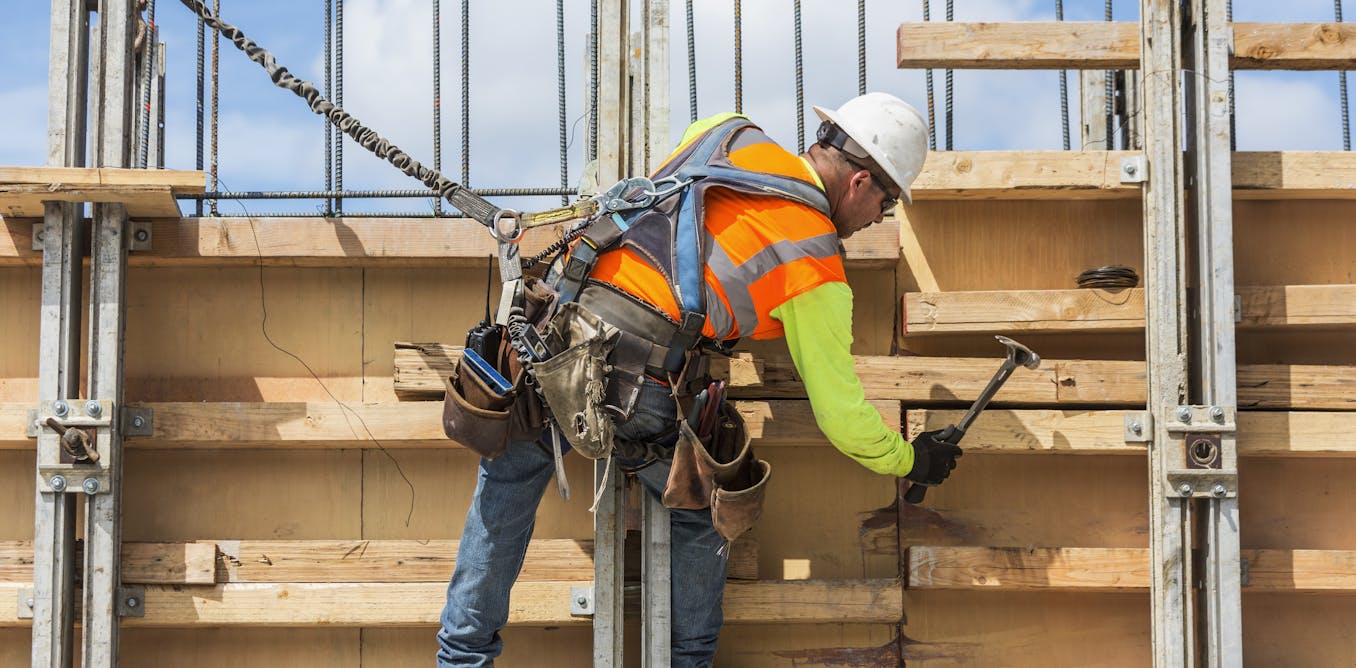


Construction costs have surged in recent years, pushing homeownership further out of reach for many Americans. But this isn’t a new concern: In 1978, the U.S. Government Accountability Office warned that rising costs were threatening the American dream – at a time when the median home price was just US$44,300, less than three times the median household income. Today, that figure has climbed past $419,000, more than five times what the median American makes.
One often-overlooked factor behind this surge? Labor costs.
We are engineering experts, and in our latest study, we analyzed wages and workforce trends across more than 20 occupations in construction from 1999 to 2023. Interestingly, we found that unskilled workers — those in the lowest-paid roles – saw the largest wage gains. And the effects of these gains have rippled across the entire construction industry.
A changing construction landscape
A lot can change in 25 years, which is the last time researchers analyzed construction labor trends at this scale. Back then, construction wages were declining, driven in part by the rise of affordable trade schools and in part by falling union membership.
Today, the landscape looks very different. The construction industry is grappling with a persistent labor shortage, facing an annual shortfall of more than a half-million workers. At the same time, wage dynamics have shifted greatly.
The biggest gains go to the lowest-paid roles
Construction projects rely on a wide range of roles – from highly skilled professionals like engineers and electricians to lower-skilled or unskilled workers. Unskilled workers handle physically demanding tasks like trench digging, concrete mixing and site preparation, and earn lower wages. As a result, contractors often hire more of them.
While contractors tend to focus on expensive skilled labor when estimating project costs, our recent study found that unskilled workers have seen the largest wage gains in recent decades. Their wages rose by 2.75% to 3.5% per year — compared with under 2.5% for most skilled roles.
The size of the construction workforce is also changing, with 88% of U.S. construction firms reporting difficulty finding workers. The shortage is especially severe among unskilled labor. For example, half as many people work as unskilled helpers now than in 1999.
Given these trends, to avoid budgeting shortfalls and project risks, we encourage contractors to plan for higher costs for low-skilled workers. Our study also offers a simple method to help forecast wage trends, which contractors can use to estimate future labor costs.
Wage hikes have a ripple effect
Interestingly, not only did unskilled occupations see the biggest wage jumps, but they also influenced wage changes in other trades.
Using econometric models, we analyzed these occupations as part of an interconnected system. We found that trades typically involved early in a project tend to influence wages for trades that come later. In particular, unskilled construction laborers – who handle tasks like site preparation and material handling – emerged as the leading drivers of wage trends across the industry. When their wages rise, others’ tend to follow.
These insights suggest that contractors should monitor early-stage wage trends closely. When wages start rising among early-trade or unskilled workers, that is often a signal that broader labor costs are about to rise too. Planning ahead can help firms manage costs more effectively.
Recent world events — such as COVID-19, the Russia-Ukraine war and the 2018 steel and aluminum tariffs — brought major challenges to the construction industry, which is still dealing with their aftermath. On top of that, worsening labor shortages, new tariffs and global supply chain disruptions mean the industry will continue to face significant challenges.
However, tracking market data offers a valuable opportunity to understand emerging trends and develop strategies to respond effectively. Our research team – working closely with major U.S. contractors through the Missouri Consortium for Construction Innovation – is exploring solutions across a range of issues, including construction material costs, cross-border material trade with Canada and Mexico, and persistent labor shortages, among other critical topics.







