


 OpenAI Agents Access U.S. Government Websites During Testing
  Akamai Shares Surge on $11.6B Anthropic AI Cloud Deal
  Oracle Shares Fall as New Mexico AI Data Center Faces Power Delays
  Former OpenAI Data Center Chief Chris Malone Joins Nvidia
  Almonty Industries Shares Jump 8% After Stifel Sets $25 Target
  SpaceXAI to Double Nvidia Chips at Colossus 2 by Year-End
  Jeff Bezos Invests $32 Billion in Blue Origin as Space Firm Targets Major Growth
  SoftBank Shares Fall as Oracle Flags Stargate Data Center Delay Risk
  Select Water Solutions Shares Surge on $700 Million Pilot Water Deal
  US Appeals Court Upholds Anthropic AI Supply Chain Ban
  Dubai’s connectivity remains strong in an uncertain world
  Suzuki Targets Faster Car Development to Keep Pace With Chinese Rivals
  FDA Approves Mirum’s Atebrioz for Rare Bone Disorder FOP
  AMD Hits $1 Trillion as BofA Raises Price Target to $720
  Costco Revenue Beats Estimates as Inflation Drives Bulk Shopping
  TikTok Reaches $100 Million Alabama Settlement Over Child Safety Claims


 Add as a preferred source on Google
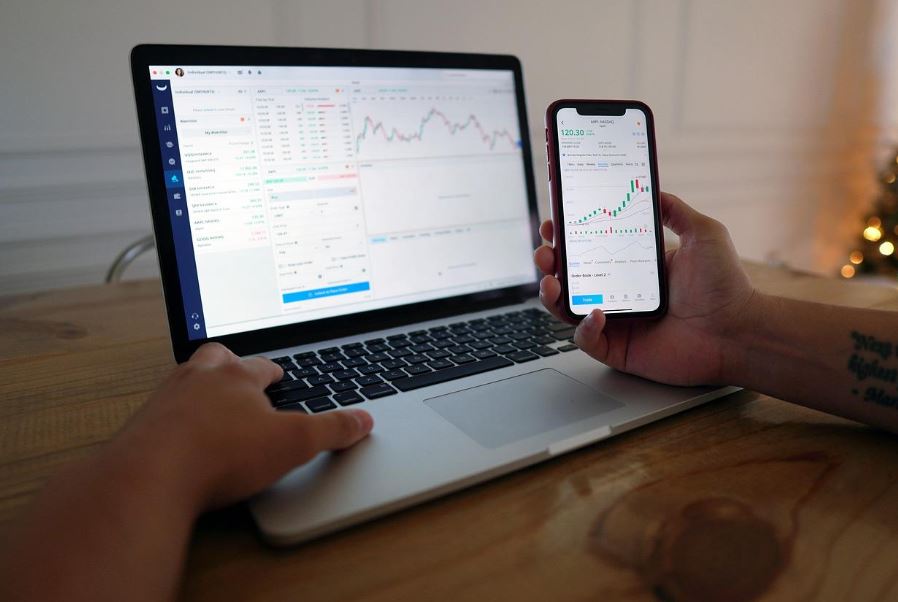
Selecting the best forex trading app in South Africa is a critical decision for both novice and experienced traders. With the surge in popularity of online trading, the market is flooded with various trading applications, each offering unique features and advantages. To make an informed choice and ensure a seamless trading experience, it's essential to consider several factors. This guide provides insights into choosing the best forex trading app in South Africa, offering guidance on essential considerations and key subheadings to explore.
Regulatory Compliance: Ensuring Legal and Safe Trading
When choosing a forex trading app in South Africa, your first and foremost consideration should be regulatory compliance. South Africa has a well-established regulatory framework for financial services, overseen primarily by the Financial Sector Conduct Authority (FSCA). It's crucial to ensure that the trading app you're considering is registered and authorized by these regulatory bodies. Typically, You can find this information on the app's official website or by contacting customer support.
Trading with a licensed platform ensures that your investments are protected and that you have a channel for recourse in case of disputes. Additionally, you should verify whether the trading app complies with local regulations, as adherence to these rules is a sign of a trustworthy and safe trading environment. Furthermore, check if the app offers features like segregated accounts, which separate your deposited funds from the broker's operational funds, providing an added layer of protection.
Available Markets and Instruments: Diversifying Your Trading Portfolio
One of the key advantages of online trading is the opportunity to diversify your investment portfolio across various financial instruments and markets. When evaluating a forex trading app, consider the breadth of markets and instruments it provides access to. You'll want a platform that offers a wide range of options, including forex, stocks, commodities, and cryptocurrencies.
Diversifying across different asset classes can help mitigate risk and optimize your trading strategy. Moreover, assess the app's ability to provide access to both local and international markets. The capability to explore global markets broadens your horizons and allows you to take advantage of opportunities beyond the local scene, enhancing your trading flexibility and potential returns.
User-Friendly Interface: Intuitive and Efficient Trading
A trading app's user interface plays a pivotal role in your overall trading experience. It should be intuitive, user-friendly, and easy to navigate, regardless of whether you're a beginner or an experienced trader. A cluttered or confusing interface can lead to costly mistakes. Look for a platform that offers a clean and logical layout, making it easy to execute orders, access account information, and conduct technical analysis. Additionally, assess the availability of charting and analysis tools within the app.
Effective technical and fundamental analysis is essential for making informed trading decisions. The app should provide a robust set of charting tools, indicators, and access to real-time market data to empower your analysis. Lastly, ensure that the forex trading app is compatible with mobile devices, allowing you to trade on the go. Mobile compatibility is especially crucial in fast-moving markets where quick decisions are required.
Fees and Costs: Managing Trading Expenses
Understanding the fee structure of a trading app is paramount in managing your trading expenses effectively. Trading costs can substantially impact your profitability, so it's essential to be aware of the various charges. Start by examining how the app handles spreads and commissions. Some brokers charge spreads, which are the differences between the buying and selling prices of a currency pair or asset.
Others opt for a commission-based model where you pay a fee for each trade. Compare these cost structures and choose the one that aligns with your trading style and preferences. Moreover, look into any fees associated with depositing and withdrawing funds. Transparent fee structures are preferable to avoid unexpected charges that may eat into your profits. Don't forget to inquire about hidden costs, such as inactivity fees or overnight financing charges, as these can impact your overall trading expenses.
Trading Features and Tools: Enhancing Your Trading Strategy
The best forex trading apps offer a comprehensive suite of features and tools to enhance your trading strategy and decision-making process. Begin by assessing the app's provision of various order types. The ability to execute different types of orders, such as market orders, limit orders, stop-loss orders, and take-profit orders, provides you with flexibility in managing your trades and risk. Effective risk management is paramount in trading success.
Additionally, look for risk management tools within the app. Features like guaranteed stop-loss orders can help limit potential losses during periods of market volatility, safeguarding your capital. Another critical aspect is the availability of research and analysis resources. To make informed trading decisions, access to research reports, news feeds, economic calendars, and trading signals is invaluable. A trading app should provide these resources or integrate with external sources to keep you updated on market developments.
Customer Support: Ensuring Assistance When Needed
Reliable customer support is essential when trading online, as you may encounter technical issues, have questions about platform functionality, or need assistance with account-related matters. Therefore, you should evaluate the forex trading app's customer support offerings. Start by checking the availability of customer service channels. The best apps typically offer multiple channels, including live chat, email, and phone support, giving you the flexibility to choose your preferred mode of communication.
Responsiveness is equally crucial. To gauge the responsiveness of the customer support team, consider asking a few questions or seeking assistance during the evaluation process. A prompt and helpful response is indicative of good customer service, which can greatly enhance your overall trading experience and provide peace of mind.
Security and Data Protection: Safeguarding Your Information
Security should be a top priority when selecting a trading app. Your personal and financial data must be safeguarded against potential threats. To ensure your information's safety, investigate the encryption and security protocols employed by the app. Reputable trading platforms typically implement robust encryption methods, such as SSL (Secure Sockets Layer) encryption, to protect data transmission and storage.
Additionally, carefully review the app's data protection policies and privacy practices. Ensure the platform complies with relevant data protection regulations, such as GDPR (General Data Protection Regulation) and South Africa's POPIA (Protection of Personal Information Act). Understanding how your data is handled and protected is fundamental to maintaining your privacy and security while trading.
Mobile Trading Experience: Trading on the Go
Mobile compatibility is a significant consideration when choosing a forex trading app in today's fast-paced world. The ability to trade on the go can be a game-changer, allowing you to capitalize on opportunities regardless of your location. Therefore, assess the app's mobile trading experience. It should offer stability and high performance on mobile devices, ensuring you can execute trades efficiently without delays or technical issues.
Mobile trading apps should also include features that cater to the needs of mobile users, such as responsive design, one-touch trading, and mobile-specific charting tools. These features contribute to a seamless and productive mobile trading experience, whether you're using a smartphone or tablet.
Demo Accounts: Practicing Without Risk
A demo account is a risk-free environment that allows you to practice trading strategies, become familiar with the platform's features, and build confidence without risking your own money. Therefore, check if the trading app offers demo accounts and how accurately they replicate real trading conditions. A well-designed demo account should provide a realistic trading experience, including live market data and execution speeds. This invaluable tool allows you to refine your trading skills and strategies, ensuring you're well-prepared before transitioning to live trading.
Reviews and Reputation: Learning from Others' Experiences
To gain insights into the performance and reliability of a forex trading app, it's essential to research user reviews and the platform's reputation. Start by reading user feedback and reviews on reputable platforms, forums, and social media groups dedicated to trading. Pay attention to both positive and negative reviews to get a balanced perspective.
Positive reviews can highlight the app's strengths and positive user experiences, while negative reviews may uncover any issues or shortcomings you should be aware of. Additionally, investigate the platform's overall reputation and history in the trading community. Trading apps with a long track record of reliability, customer satisfaction, and ethical practices are typically more trustworthy and worth considering for your trading journey.
Educational Resources: Expanding Your Trading Knowledge
Continuous learning is a fundamental aspect of successful trading. Therefore, evaluate the forex trading app's provision of educational resources. These resources can empower you with the knowledge and skills necessary to make informed trading decisions. Look for learning materials, such as tutorials, webinars, articles, and video content, that cover a wide range of topics relevant to trading.
A comprehensive trading academy or educational program is another valuable feature, especially for beginners. These resources can offer structured learning paths and expert insights, helping you develop a deeper understanding of the markets and trading strategies. The availability of educational materials within the app can significantly enhance your learning experience and contribute to your trading success.
Compatibility with Trading Strategy: Aligning with Your Approach
Your preferred trading strategy is pivotal in choosing the right forex trading app. Different traders adopt various approaches, such as scalping, day trading, swing trading, or long-term investing. It's crucial to select an app that aligns with your chosen strategy. For example, if you're a scalper, you'll require a platform that allows for quick execution of orders and provides access to tight spreads. Similarly, day traders benefit from platforms with real-time data and advanced charting tools for intraday analysis.
Swing traders, on the other hand, may need tools to identify longer-term trends and opportunities. Furthermore, if you engage in algorithmic or automated trading, ensure that the trading app is compatible with popular trading platforms and APIs used for automated strategies. Compatibility with your preferred trading style and approach is essential for a successful trading experience.
Account Types and Minimum Deposits: Tailoring to Your Budget
Trading apps typically offer various account types to cater to traders with different preferences and budgets. When selecting an app, consider which account type aligns with your trading goals. Account tiers may offer varying features and benefits, such as access to premium research tools, lower spreads, or dedicated account managers.
Evaluate your own budget and trading objectives to determine the most suitable account type for your needs. Additionally, take note of the app's minimum deposit requirements. Ensure that the minimum deposit aligns with your financial means, as it sets the threshold for entry into live trading. Selecting an account type and minimum deposit that are in line with your budget is a prudent step toward effective risk management and financial responsibility.
Personal Preferences and Needs: Customizing Your Choice
Trading is a highly personal endeavor, and your preferences and needs should factor into your choice of a trading app. Consider platform aesthetics, as you'll spend a lot of time interacting with it. Choose an app that appeals to you visually and offers customization options, allowing you to tailor the interface to your liking. Additionally, think about any community and social features that may be important to you.
Some trading apps incorporate social trading aspects, enabling you to follow and interact with other traders, share insights, or even replicate the trades of successful investors. Language and localization support are also worth considering. Ensure that the forex app supports your preferred language, as trading is more efficient when you can access information in a language you are comfortable with. Customizing your choice based on your preferences and needs can create a more enjoyable and productive trading experience.
Final Selection and Trial: Making an Informed Choice
After carefully considering the factors mentioned above, it's time to make your final selection of a trading app. Perform a comparative analysis of your shortlisted options, weighing the pros and cons of each based on your priorities and trading goals. This analysis will help you identify the app that best aligns with your needs. Before committing real capital, it's prudent to take the trading app for a test drive.
Most reputable platforms offer demo accounts, which allow you to practice trading with virtual funds in a risk-free environment. Use this opportunity to explore the platform, execute trades, and validate that it meets your expectations. A successful trial period ensures that you're comfortable with the forex app's features and functionality before transitioning to live trading.
Conclusion
In conclusion, the process of choosing the best trading app in South Africa requires careful consideration of various factors to ensure a secure and successful trading experience. By paying attention to regulatory compliance, trading costs, user-friendliness, security, and other essential aspects, you can make an informed decision that aligns with your trading goals and preferences. Remember that continuous assessment and adaptation of your chosen app may be necessary as your trading needs evolve over time. The right trading app can be a powerful tool in your journey toward financial success in the world of online trading.
This article does not necessarily reflect the opinions of the editors or management of EconoTimes.







