


 NASA, Boeing Discuss Expanding Starliner Missions
  Office design isn’t keeping up with post-COVID work styles - here’s what workers really want
  Canada Eyes India Trade Deal by Year-End
  Meta Partners With Shopify to Bring Shop Pay Checkout to Muse AI
  US Northeast Airports Resume Operations After Telecom Outage Disrupts Thousands of Flights
  CNN, MS NOW and Politico Sue Trump Over White House Media Ban
  Time to buy local: war fuel price shocks reveal the folly of a long food supply chain
  Yen in Focus as BOJ, Fed Rate Hikes Reshape Currency Markets
  Why have so few atrocities ever been recognised as genocide?
  Why financial hardship is more likely if you’re disabled or sick
  6 simple questions to tell if a ‘finfluencer’ is more flash than cash
  Gold Prices Slip as Strong Dollar and Hawkish Fed Pressure Bullion
  Oil Prices Rise as Houthi Strikes on Riyadh Fuel Middle East Tensions
  Debate over H-1B visas shines spotlight on US tech worker shortages
  Nike Earnings at Risk as UBS Cuts Price Target to $42
  Allegro Raises 2026 Outlook as International GMV Surges


 Add as a preferred source on Google
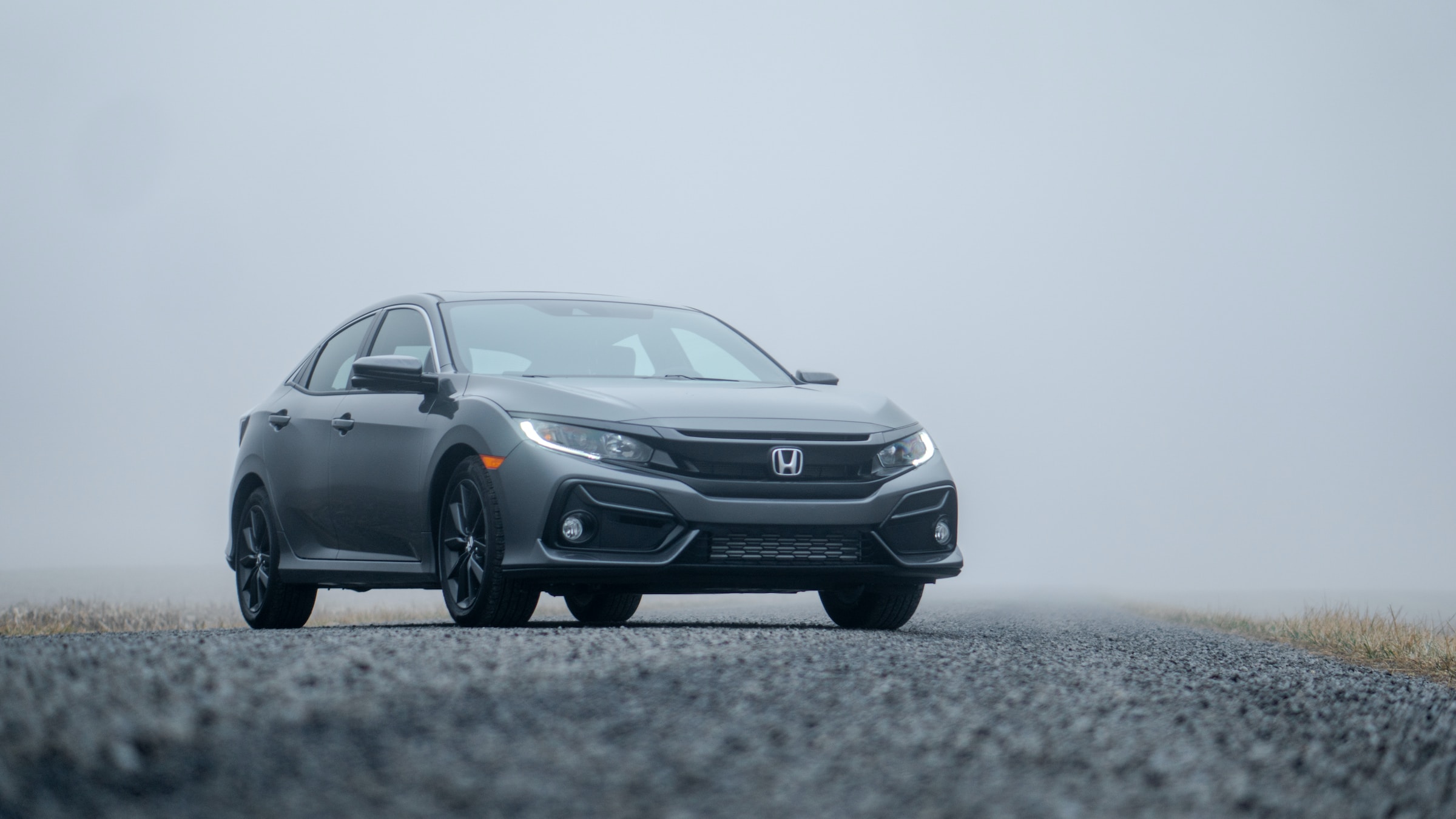
Honda Motor Co. dazzled investors with Q2 profits exceeding expectations, doubling due to a spike in motorcycle and car sales and favorable exchange rates. The company's gains, particularly in North America, come as many automakers grapple with supply shortages tied to the pandemic.
In the first fiscal quarter, Honda's profit reached a significant milestone of 363 billion yen, a notable increase from the previous year's 149 billion yen. Furthermore, the company experienced a substantial sales growth of 21%, amounting to 4.6 trillion yen. Honda's financial service division also reported impressive sales figures.
One of the key factors contributing to Honda's improved profitability is its success in the North American market, where production rebounded, and sales flourished. This achievement is especially noteworthy considering the challenges automakers face worldwide due to supply shortages caused by COVID-19 restrictions. However, with the easing of restrictions, production has begun to pick up.
While sales in Japan remained stable during the latest quarter compared to the previous year, Honda experienced a significant drop in sales in China due to intense competition from manufacturers of battery electric vehicles. However, Honda is banking on the growth of electric vehicles in the U.S. market and has recently announced its involvement in creating a robust charging network across North America in collaboration with six other companies.
The increasing concern about climate change has driven a transformative shift in the auto industry towards battery electric vehicles, allowing newcomers like Tesla and BYD to thrive. Japanese automakers, who were caught off guard by their focus on hybrids and gasoline-powered models, have faced challenges as a result.
Although Honda faced some challenges in motorcycle sales, particularly in India due to the computer chip shortage, sales rebounded in Indonesia as production recovered. The company sold 901,000 vehicles during the quarter, up from 815,000 the previous year, and its motorcycle sales reached nearly 4.5 million compared to 4.2 million last year.
Furthermore, the impact of currency exchange rates resulted in an additional 23 billion yen to Honda's quarterly operating profit. The recent relative weakness of the yen, trading at around 143 yen to the U.S. dollar, has been advantageous for Japanese exporters, boosting their overseas earnings when converted into yen.
Honda remains optimistic about its full-year projection, expecting an 800 billion yen profit, up from 651 billion yen in the previous year.
Overall, Honda's robust performance in the April-June quarter reflects its resilience in the face of challenges, strategic market positioning, and optimistic outlook for the future.
Photo: TopSphere Media/Unsplash







