


 Apple's Foldable iPhone Faces Engineering Setbacks, Mass Production Timeline at Risk
  SpaceX Eyes Historic IPO at $1.75 Trillion Valuation
  Samsung Electronics Eyes Record Q1 Profit Amid AI-Driven Chip Boom
  OpenAI Executive Shake-Up Ahead of Anticipated 2026 IPO
  Microsoft's $10 Billion Japan Investment: AI Infrastructure and Data Sovereignty Push
  Australia's Social Media Ban for Under-16s Sparks Global Movement
  NASA Artemis II: First Crewed Moon Mission Since Apollo Takes Four Astronauts on 10-Day Lunar Journey
  California's AI Executive Order Pushes Responsible Tech Use in State Contracts
  NASA's Artemis II Crew Arrives in Florida for Historic Moon Mission
  Bendigo and Adelaide Bank Posts Strong Q3 Earnings, Announces AI-Driven Job Cuts
  Microsoft Eyes $7B Texas Energy Deal to Power AI Data Centers
  China's Push to Steal Taiwan's Chip Technology and Talent Raises Security Alarms
  U.S. Disrupts Russian Military Hackers' Global DNS Hijacking Network
  TSMC Japan's Second Fab to Produce 3nm Chips by 2028
  Elon Musk Ties SpaceX IPO Access to Mandatory Grok AI Subscriptions


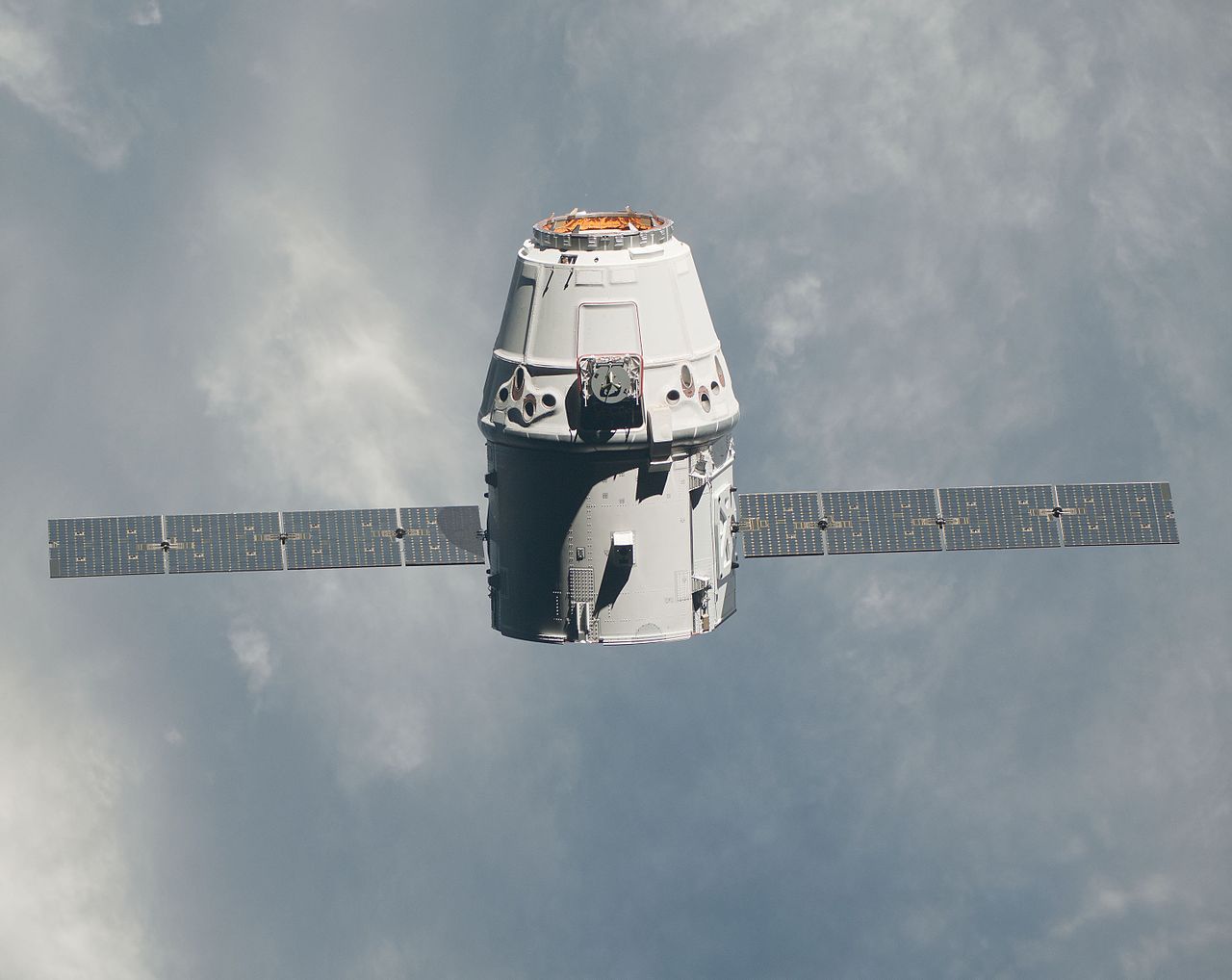
Today, SpaceX was supposed to make history by launching a rocket that it had already used twice, which would have cemented the company’s name as the first space agency to have made such an achievement. Unfortunately, a nearby storm grounded the rocket. Even worse, it was supposed to carry 6,000 pounds of supplies to the International Space Station, leaving researchers residing in the orbital platform disappointed.
The original schedule for the launch was supposed to be Thursday, 2.55 PM, Pacific Time, The Los Angeles Time. The Falcon 9 was meant to take the previously used Dragon spaceship to orbit, where it would have docked with the ISS to deliver supplies that are needed to conduct experiments. As SpaceX Vice-President of mission assurance, Hans Koenigsmann said, nearly everything about the rocket and ship was reusable.
“The majority of this Dragon has been in space before,” Koenigsmann told the press before the scheduled launch.
SpaceX has decided to reschedule the flight for Saturday, instead, at 2:07 PM, Pacific Time. It will still launch from Florida’s Kennedy Space Center.
Now, there are a few things to note about this particular flight that is very important to Elon Musk’s space company. For one thing, it would be the first supply delivery to the ISS using a reused rocket and ship. This would have a considerable effect on how space travel is done, with significantly reduced expenses being a major deal.
There’s also the matter of the particular experiments that researchers at the station are conducting, which directly impact the ambitions of SpaceX. Zaven Arzoumanian is one of the researchers onboard the ISS right now who is studying the navigational potential of neutron stars. If successful, this would have a huge significance to space travel as a whole, CBS News reports.
"You can imagine having a system of clocks, very accurate clocks, distributed all over the sky,” Arzoumanian said. “... So in the same way that we use atomic clocks on GPS satellites to navigate our cars on the surface of the Earth, we can use these clock signals from the sky, from pulsars, to navigate spacecraft anywhere in the solar system."







