


 Tesla Cybercab Rides Launch in Austin as NHTSA Reviews Rollout
  Shein Shares Drop 5% After Weak Hong Kong IPO Debut
  CATL Shares Fall as Hungary Plant Faces Safety Halt
  Microsoft to Reveal Azure Revenue in Major Reporting Shake-Up
  OpenAI Launches GPT-6 Astra With Advanced AI Agent Capabilities
  Milei Threatens Falkland Oil Firms With Sanctions
  MongoDB Stock Sinks 14% as Atlas Growth Misses Expectations
  SEC Seeks ISS Client Voting Records in Proxy Adviser Probe
  Deutsche Telekom Shares Rise as Elliott Pushes Against T-Mobile Merger
  US Tech Giants’ AI Bond Boom Raises Euro Zone Borrowing Risks
  GSM Eyes US, Europe Expansion Ahead of 2028 Hong Kong IPO
  BP Names Ian Tyler Permanent Chairman After Governance Shake-Up
  Honda Targets $9.4 Billion in Cost Cuts as China EV Competition Intensifies
  South Korea, US Discuss Chip Investments Amid Tariff Plans
  Xiaomi Shares Jump on Europe EV Expansion Plan
  Volkswagen Approves 50,000 More Job Cuts in Major Restructuring
  Lynas Rare Earths Shares Rise After Takeover Talks Revealed


 Add as a preferred source on Google
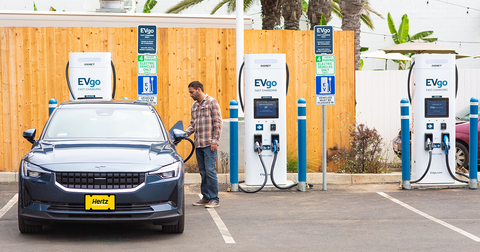
Rental firm Hertz Global Holdings announced its decision to sell approximately 20,000 electric vehicles, including Teslas, from its U.S. fleet. The move comes as Hertz faces escalating expenses related to collision and damage, prompting the company to opt for gas-powered vehicles instead.
As a result, the stock price of Hertz fell about 4%, with Tesla's stock declining approximately 3%, according to Reuters.
Financial Impact and Fleet Changes
Hertz anticipates incurring around $245 million U.S. in depreciation expenses from the proposed sale of the electric vehicles in the fourth quarter of 2023. The company's decision raises concerns about the future of electric vehicles, as the growth rate of sales of these vehicles has slowed.
Major automakers such as General Motors and Ford have also scaled back production plans for EVs. Morgan Stanley analyst Adam Jonas believes that Hertz's move serves as a warning for the entire EV market and highlights the need to reassess expectations.
Potential Hidden Costs of EV Ownership
While electric vehicles offer consumers an enjoyable driving experience and fuel savings, there are other "hidden" costs associated with EV ownership. Hertz's expenses related to collision and damage, primarily associated with EVs, remained high during the quarter.
Selling the electric vehicle fleet is part of Hertz's strategy to address these challenges and optimize its operations.
CBC News has contacted Hertz to clarify whether these fleet changes will affect Canadian vehicle fleets. The outcome of this decision could have implications for Hertz's operations in Canada and its commitment to integrating electric vehicles into its fleet.
Hertz's EV Targets and Current Inventory
Previously, Hertz aimed to have 25% of its fleet consist of electric vehicles by the end of 2024. However, the company's used car website now showcases more than 700 EVs for sale, featuring models such as BMW's i3, Chevrolet's Bolt, and Tesla's Model 3 and Model Y SUVs.
Hertz is not the only rental car company scaling back its electric vehicle offerings. German rental car company Sixt confirmed that it had not purchased any Tesla vehicles since 2022 and is currently selling its existing fleet of Teslas as part of its regular de-fleeting process. The challenges Hertz and other rental companies face reflect the meandering path of EVs in the market.
Photo: Hertz Newsroom







