


 SMIC Allegedly Supplies Chipmaking Tools to Iran's Military, U.S. Officials Warn
  SpaceX Eyes Historic IPO at $1.75 Trillion Valuation
  TSMC Japan's Second Fab to Produce 3nm Chips by 2028
  Meta and Google just lost a landmark social media addiction case. A tech law expert explains the fallout
  Microsoft Eyes $7B Texas Energy Deal to Power AI Data Centers
  MATCH Act Targets ASML and Chinese Chipmakers in New U.S. Export Crackdown
  Rubio Directs U.S. Diplomats to Use X and Military Psyops to Counter Foreign Propaganda
  Ford Issues Major Recall on Over 422,000 Vehicles Due to Windshield Wiper Defect
  Apple Turns 50: From Garage Startup to AI Crossroads
  Annie Altman Amends Sexual Abuse Lawsuit Against OpenAI CEO Sam Altman
  Microsoft's $10 Billion Japan Investment: AI Infrastructure and Data Sovereignty Push
  Chinese Universities with PLA Ties Found Purchasing Restricted U.S. AI Chips Through Super Micro Servers
  Makemation: a Nollywood movie that shows AI in action in Africa
  RBC Capital: European Medtech Firms Show Minimal Middle East and Energy Risk Exposure
  Paramount Skydance Secures $24B from Gulf Sovereign Wealth Funds for Warner Bros. Discovery Takeover
  Apple's Foldable iPhone Faces Engineering Setbacks, Mass Production Timeline at Risk


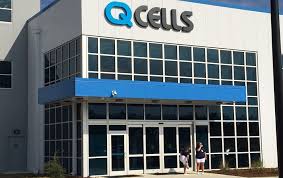
More than 100,000 households in Germany have joined Hanwha Q Cells' Q.Energy service so far, which allows customers to purchase electricity generated 100 percent by renewables.
The Q.Energy service delivers energy to German households by sourcing electricity from renewable-energy power plants in Germany and Austria.
According to Hanwha Q Cells, the Q.Energy service garnered over 100,000 household subscribers just one year after its launch.
One feature of the service is that it allows customers to view electricity prices 24 hours in advance to help them make decisions using their washing machines or charging electric vehicles.
Hanwha Q Cells is also offering a program that installs rooftop solar panels for households free of charge. However, Hanwha Q Cells retains ownership of the solar panels and charges customers monthly bills.







