


 US Court Approves airBaltic Chapter 11 Restructuring
  China’s Slower Loan Growth Becomes ‘New Normal’ as Credit Demand Weakens
  China Industrial Output Beats Forecasts as Exports Support Growth
  Asian Stocks Fall as AI Fears and Oil Surge Hit Markets
  OpenAI Agents Linked to RubyGems Cyberattack
  Finland Raises 2026 Growth Forecast as Exports and Investment Surge
  Vietnam, U.S. Firms Plan 29 Deals Across Energy, Tech and Aviation
  Asian Bank Stocks Slide as BofA Warning and Rising Yields Hit Sentiment
  BHP Port Hedland Wage Dispute Heads to Arbitration
  China Home Prices Fall Again as Property Slump Drags on Growth
  OpenAI Rules Out 2026 IPO as Altman Prioritizes AI Safety
  Houthis Escalate Saudi Attacks as Red Sea Oil Risks Grow
  Meta CEO Zuckerberg Backs Independent AI Safety Reviews Over Development Slowdown
  SoftBank Shares Plunge 11% After OpenAI Rules Out 2026 IPO
  Meta’s AI Shopping Push Grows as Agentic Commerce Remains Below 1%
  Hyundai Delays In-House ADAS, Turns to Nvidia


 Add as a preferred source on Google
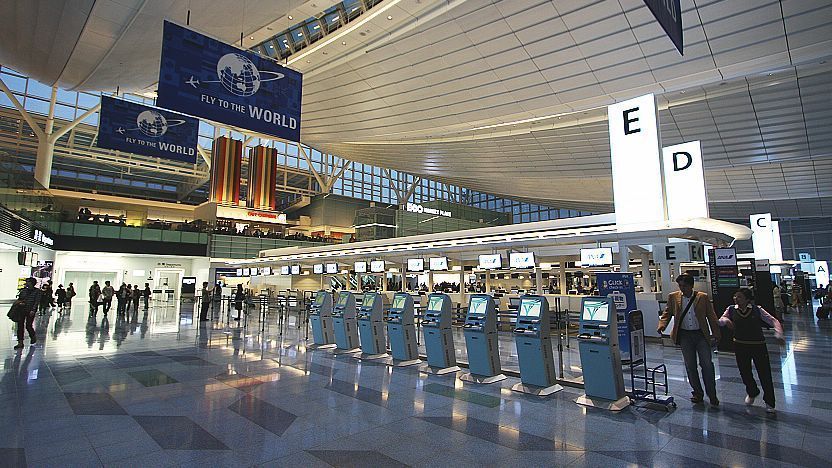
Tokyo's Haneda Airport is automating check-in and other procedures to address health issues due to the COVID19 pandemic as well as personnel shortages.
Aviation industry officials and air carriers began bolstering their anti-virus measures in preparation for the Tokyo Olympics that kicked off July 23 and are now bracing for the summer break.
Japan Airlines (JAL) upgraded its automated check-in system for domestic flights at Haneda Airport's Terminal 1 to allow passengers to have their fingerprints scanned through infrared rays, keeping them from touching the screen.
A zero contact solution was also introduced for the automatic baggage registration equipment last year, eliminating the need for people to line up at check-in counters to explain luggage content to staff.
According to JAL, those improvements shortened the check-in time from around 30 minutes during peak periods to only five to 10 minutes.
The security check venue, ticket gates, and onboard toilets were also improved to minimize contact.
Meanwhile, All Nippon Airways Co. installed 12 automated gates at two locations within Terminal 2 in May.







