


 North Korea Rejects Nuclear Test Warning, Calls Nuclear Status Irreversible
  NATO Boosts Intelligence Sharing Amid Russia Hybrid Threats
  North Korea Warns South Korea Over US-Led Defense Role
  US Backs Musk in Fight Against EU’s €120 Million X Fine
  Pezeshkian Says US Must Choose When Iran War Ends
  Kremlin Says No Decision Yet on Putin-Trump December Summit
  Trump Asks Supreme Court to Restore Third-Country Deportations
  Mexico-US Trade Talks Delayed to October as Tariff Negotiations Continue
  Netanyahu’s Brief US Trip Highlights Strains With Trump
  Russian Missile and Drone Attack on Kyiv Kills Two, Damages Maternity Hospital
  Abbas Reaffirms November 28 Palestinian Elections
  Netanyahu Defends Israel at UN as Delegates Stage Walkout
  Sudan Rejects US Legitimacy Remarks, Defends Sovereignty
  Russian Envoy Dmitriev Heads to US for Ukraine Talks
  Taiwan Thanks US for Support Ahead of Trump-Xi Summit
  US Officials Split Over Response to Israeli West Bank Settlements
  Netanyahu Takes Aim at Mamdani as Israel Election Nears


 Add as a preferred source on Google
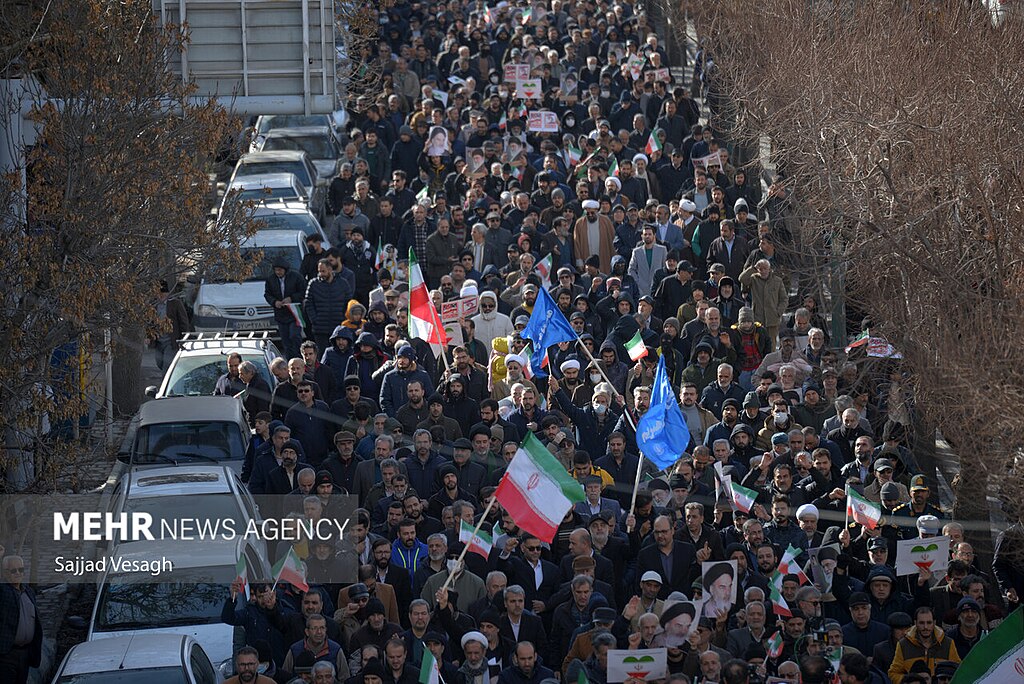
In an unprecedented public statement on Iranian foreign policy, Hamas has called on Tehran to refrain from targeting neighboring countries, even as it acknowledged Iran's right to retaliate against recent U.S.-Israeli strikes. This marks the first time the Palestinian militant group has openly weighed in on Iranian strategic decisions, signaling a nuanced diplomatic shift within the Iran-aligned resistance axis.
While expressing continued solidarity with Iran, Hamas urged restraint, stating that although Tehran is entitled to respond to aggression through all means recognized under international law, attacks on regional neighbors should be avoided. The group also appealed to surrounding nations and international bodies to push for an immediate end to the ongoing conflict.
The statement comes against a complex and rapidly shifting regional backdrop. A ceasefire between Israel and Hamas in Gaza took effect in October, though sporadic violence has continued to flare up. After briefly declining during the early phase of the Israel-Iran war, Israeli strikes on Gaza have since picked up again, raising fresh concerns about a broader regional spillover.
Lebanon's Hezbollah, another Iran-backed faction, launched retaliatory strikes on Israel on March 2 following the assassination of Iran's supreme leader at the outset of the war. Israel responded with intensified military operations against both Lebanon and Hezbollah targets. Similarly, Yemen's Houthi movement — known for its Red Sea shipping campaign during the Gaza conflict — has voiced strong support for Iran but has stopped short of announcing a resumption of maritime attacks.
The evolving positions of these allied factions reflect a careful balancing act: maintaining ideological solidarity with Iran while trying to prevent a full-scale regional war. Hamas's rare public guidance on Iranian conduct underscores just how high the geopolitical stakes have become across the Middle East.







