


 Japan Government Backs Earlier BOJ Rate Hike as Inflation Pressures Build
  Gold Price Holds Near $4,400 as Hormuz Risks and CPI Drive Markets
  KOSPI Rebounds 20% as Samsung, SK Hynix Lead South Korea Stock Rally
  China Automakers Accelerate Global Expansion as Domestic Car Sales Slump
  Canada, US Hold Fresh Trade Talks as August 19 Tariff Deadline Nears
  Ford to Move Some Lincoln Production From China to U.S. in 2030
  Booked to travel through the Middle East? Here’s why you shouldn’t cancel your flight
  S&P 500 Hits Record High as Soft Inflation Data Eases Fed Rate Hike Fears
  Every generation thinks they had it the toughest, but for Gen Z, they’re probably right
  Anthropic Eyes $6B Decart AI Acquisition Ahead of Mega IPO
  Stuck in a creativity slump at work? Here are some surprising ways to get your spark back
  The Beauty Beneath the Expressway: A Journey from Self to Service
  Can your cat recognise you by scent? New study shows it’s likely
  Bernstein Picks BYD and Xiaomi as Top China EV Stocks Despite Weaker Demand
  Bank of America to Buy Up to 49.9% Stake in Jio Credit for $1.92 Billion
  What’s the difference between baking powder and baking soda? It’s subtle, but significant
  Yes, government influences wages – but not just in the way you might think


 Add as a preferred source on Google
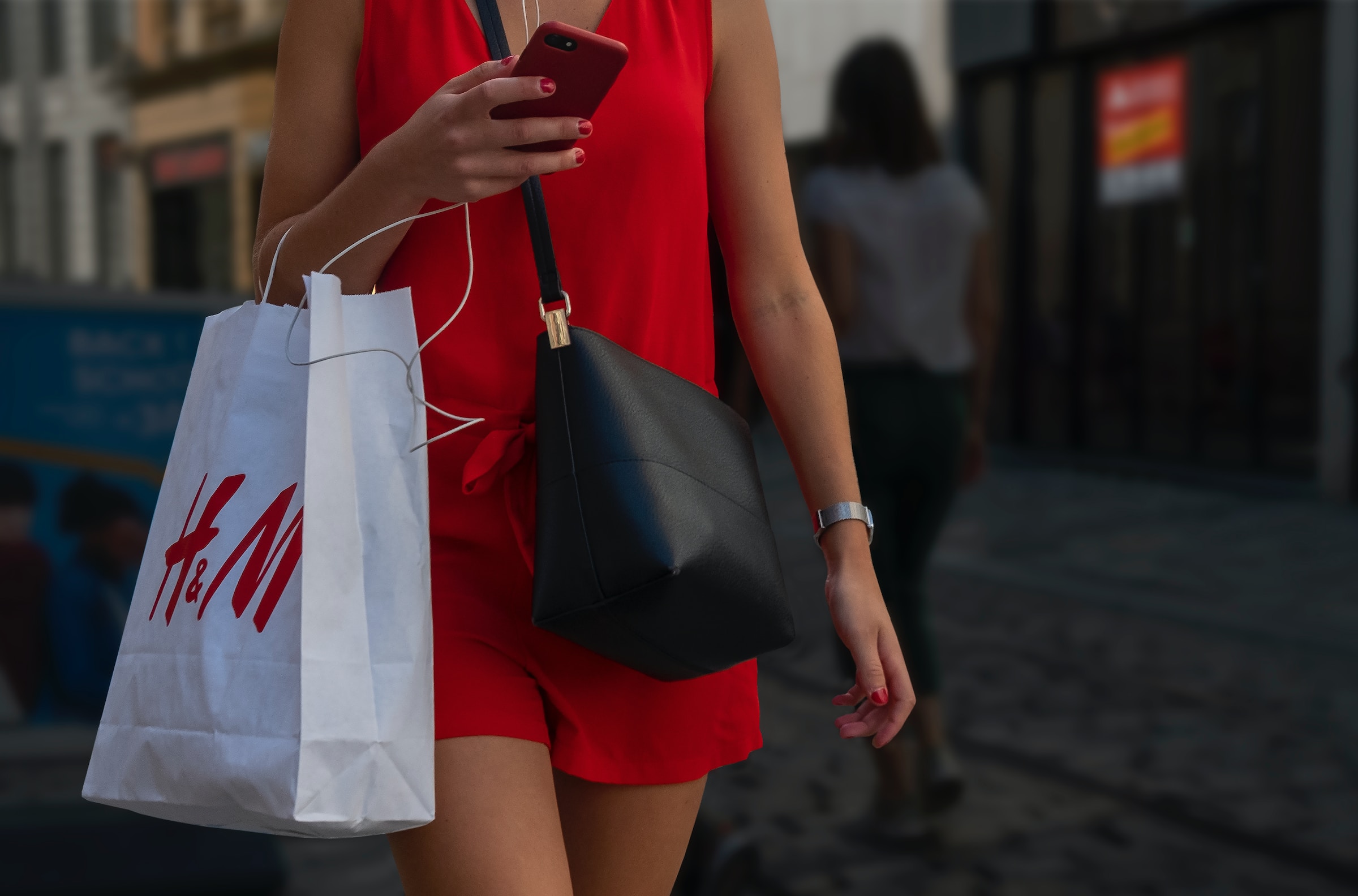
Fast-fashion giant H&M, led by CEO Helena Helmersson, is expanding its product mix with a strategic focus on third-party brands to boost growth. The retailer's ambitious plan aims to double its sales by 2030 by offering popular external brands like Adidas and New Balance across its online and physical stores.
Following a similar path, online fast-fashion company Shein has attracted high-end brands like Paul Smith and Stuart Weitzman to join its third-party marketplace strategy. On the other hand, Zara has opted to collaborate with third-party brands such as shoemaker Clarks and South Korean brand Ader Error, producing higher-priced exclusive products.
By adopting the marketplace model, fast-fashion companies aim to compete with e-commerce giants and offer a wide range of diverse brands and higher-margin products. This strategic move attracts new customers and enhances their brand reputation. Furthermore, it grants third-party brands greater exposure to a wider audience.
Sky Canaves, a senior analyst at Insider Intelligence, highlights how fast-fashion brands have faced competition from e-commerce giants like Amazon for years. According to Insider Intelligence's June forecast, Amazon is expected to dominate the apparel and accessories category, with sales reaching $69.72 billion in 2023, representing 32.6% of total U.S. retail e-commerce sales in the category. In order to counter this, fast-fashion brands need to take action.
To achieve its ambitious goal of doubling sales by 2030, H&M recognizes the importance of incorporating third-party brands on its website. Presently, H&M offers 70 external brands across six markets, including popular names like Adidas and New Balance. This effort has already resulted in a 6% increase in net sales, totaling approximately $5.36 billion.
Similarly, Zara observed a tremendous 13% growth in both in-store and online sales in its recent quarter, amounting to €7.6 billion ($8 billion). According to Canaves, all fast-fashion players will ultimately aim to diversify and upgrade their offerings, delving into higher-margin businesses.
The addition of third-party brands to H&M's website plays a pivotal role in achieving its sales doubling target by 2030. With 70 external brands already available on its platform in six markets, H&M is making strides toward this goal. Notably, products from brands like Adidas and New Balance are already available for purchase on some H&M Group-owned stores and websites.
Photo: Fernand De Canne/Unsplash







