


 Apple Turns 50: From Garage Startup to AI Crossroads
  Eli Lilly and Insilico Medicine Forge $2.75 Billion AI-Driven Drug Discovery Deal
  Fonterra Admits Anchor Butter "Grass-Fed" Label Misled Consumers After Greenpeace Lawsuit
  Novartis to Acquire Biotech Firm Excellergy in $2 Billion Deal
  Bank of America's $72.5M Epstein Settlement: What You Need to Know
  Nomura Upgrades PDD Holdings to Buy, Calls Stock Too Cheap to Ignore
  Europe's Aviation Sector on Track to Meet 2025 Green Fuel Mandate
  BlackRock CEO Larry Fink Earns $37.7 Million in 2025 Amid Record Growth
  Cybersecurity Stocks Tumble After Anthropic's Claude Mythos AI Leak Sparks Market Fears
  TSMC Japan's Second Fab to Produce 3nm Chips by 2028
  RBC Capital: European Medtech Firms Show Minimal Middle East and Energy Risk Exposure
  Trump Administration Plans 100% Tariffs on Pharmaceutical Imports
  McDonald's and Restaurant Brands International Face Headwinds Amid Iran Conflict and Rising Costs
  Russell 1000 Companies Hit $2.2T Cash Record While Aggressively Reinvesting in Growth
  SoftwareONE Posts 22.5% Revenue Surge in 2025 on Crayon Acquisition
  Nike Beats Q3 Estimates but China Weakness and Margin Pressure Weigh on Outlook
  KPMG UK Cuts 440 Audit Jobs Amid Low Attrition and Cooling Professional Services Demand


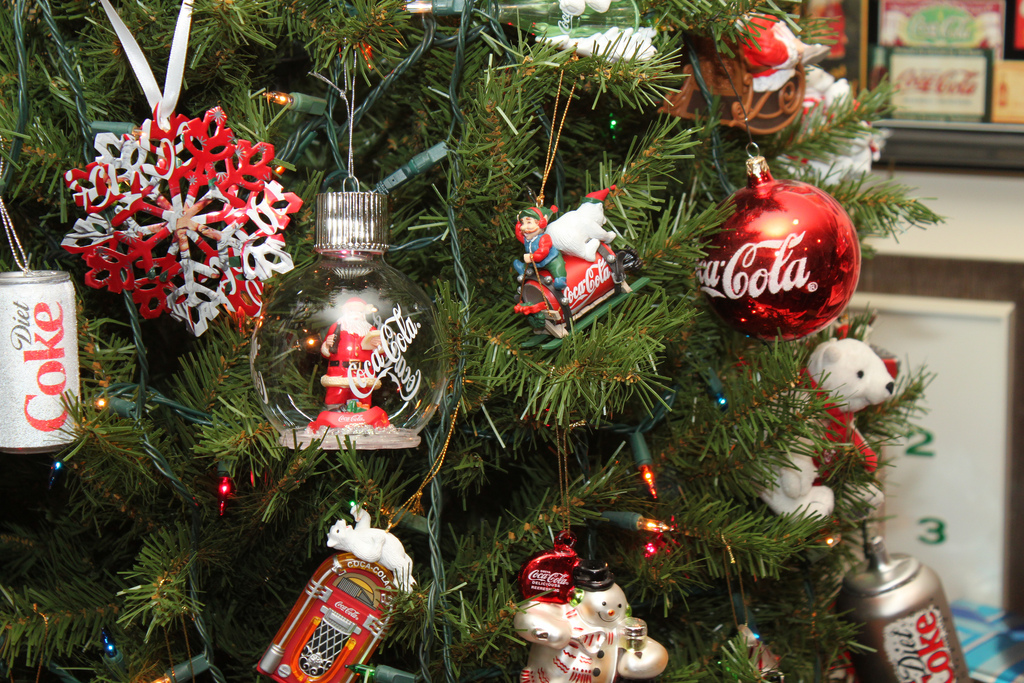
At this time of year it is worth reflecting on the huge influence that Christmas can have on production and consumption patterns. Christians may worry that their sacred celebration has been appropriated for commercial gain, but the fact is that a very wide range of businesses’ goods and services depend on Christmas and must be consumed or experienced by December 25.
Once that date has passed, many items, such as Christmas trees, become almost worthless, because their value and meaning to consumers is entirely symbolic. Their usage is determined by time-bound practices and rituals, which can play a big part in consumer behaviour. Any product that is regarded as essential to performing a ritual (especially one as widely shared as Christmas) has a big advantage in the marketplace. By the same token, failing to meet the Christmas deadline can be disastrous.
One of the reasons why Christmas has become so commercially important, is because, compared to many other religious festivals, its date is fixed in the calendar and this allows companies to plan their annual production and develop routines and supply chains to meet a fairly reliable demand. Of course, bad weather, low consumer confidence and variation in the timing of other events, such as the newly-imported tradition of Black Friday, can affect Christmas-related shopping from year to year. But there does not appear to be much risk of Christmas being cancelled, going out of fashion, or its date being changed any time soon.
Happy days
So what do these Christmas-based businesses do after Christmas? Can they earn all they need in a few short weeks and then put their feet up until the next Christmas cycle begins in the autumn? The prospect of not having to work all year round may sound attractive, but is it viable and what are the downsides?
The Christmas tree is a classic example of a product that the vast majority of people would not think of buying or using at any other time of year. Most households will only buy one tree per year. Tradition dictates that the tree should not be put up and decorated more than a few weeks before Christmas and should then be taken down by the twelfth day of Christmas, January 5.
This obviously means that growers and suppliers have a fairly narrow window of opportunity to harvest, transport and sell their trees to consumers. While there is not much prospect of the UK market growing substantially (unless we can all be persuaded to buy two or three at a time), it is at least fairly immune to fashion cycles and not likely to decline or disappear either.
Planting for profit
The natural Christmas tree market in the UK is worth approximately £384m per annum, with 8m trees annually retailing at a current average price of £48 for a six-foot tree – although, in recent years, retailers including Aldi and IKEA have offered imported trees at lower prices. It can take six years to grow a six-foot tree and about 1,000 trees can be grown per acre. So the maximum retail value could be as much as £8,000 per acre per year. The tree growers will keep only a fraction of this revenue, unless they sell direct to consumers.

Nice little earner. mubus7
This is probably not a sufficiently profitable business to run on a small scale if it is your only source of income. There is not much scope for speeding up the growing process or increasing the planting density. However, as one part of a diversified agricultural business, or as a hobby business for someone with some spare land, it can provide some useful additional income at an otherwise unproductive time of the year. Once planted, the trees do not require a great deal of attention, until they are ready to harvest.
Patience and a fair amount of land seem to be the main ingredients of success, and larger Christmas tree farms can benefit from various economies of scale and the latest technology for planting. They should be able to turn a healthy profit, provided they are able to harvest all their trees and distribute them to their retailers on time.
Pining for autumn
There obviously are risks in basing your whole enterprise and operations around a single crop for an immovable point in the year. This year, for instance, has been one of the warmest autumns on record. This means that this season’s trees have been harvested before they have entered winter dormancy, making it more likely that they will suffer from premature needle drop. If this becomes a long-term problem, then consumers may begin to question the value of having a natural tree making a big mess in their home. Or they might wait until just a few days before Christmas before they buy their tree. This would make the window of sales opportunity even narrower than it is now.
With that extra stress and anxiety, perhaps the growers and suppliers will deserve the best part of the new year to get over it.
 David Harvey is affiliated with the Labour Party.
David Harvey, Senior Lecturer in Marketing , University of Huddersfield
This article was originally published on The Conversation. Read the original article.







