


 Dollar Near Two-Week High as Stock Rout, AI Concerns and Global Events Drive Market Volatility
  What’s so special about Ukraine’s minerals? A geologist explains
  Russian Stocks End Mixed as MOEX Index Closes Flat Amid Commodity Strength
  South Korea Assures U.S. on Trade Deal Commitments Amid Tariff Concerns
  Fertile land for growing vegetables is at risk — but a scientific discovery could turn the tide
  Burkina Faso and Mali’s fabulous flora: new plant life record released
  Gold and Silver Prices Rebound After Volatile Week Triggered by Fed Nomination
  GesiaPlatform Launches Carbon-Neutral Lifestyle App ‘Net Zero Heroes’
  RBI Holds Repo Rate at 5.25% as India’s Growth Outlook Strengthens After U.S. Trade Deal
  Fed Governor Lisa Cook Warns Inflation Risks Remain as Rates Stay Steady
  Trump Signs Executive Order Threatening 25% Tariffs on Countries Trading With Iran
  How ongoing deforestation is rooted in colonialism and its management practices
  Japanese Pharmaceutical Stocks Slide as TrumpRx.gov Launch Sparks Market Concerns
  LA fires: Fast wildfires are more destructive and harder to contain
  Thailand Inflation Remains Negative for 10th Straight Month in January


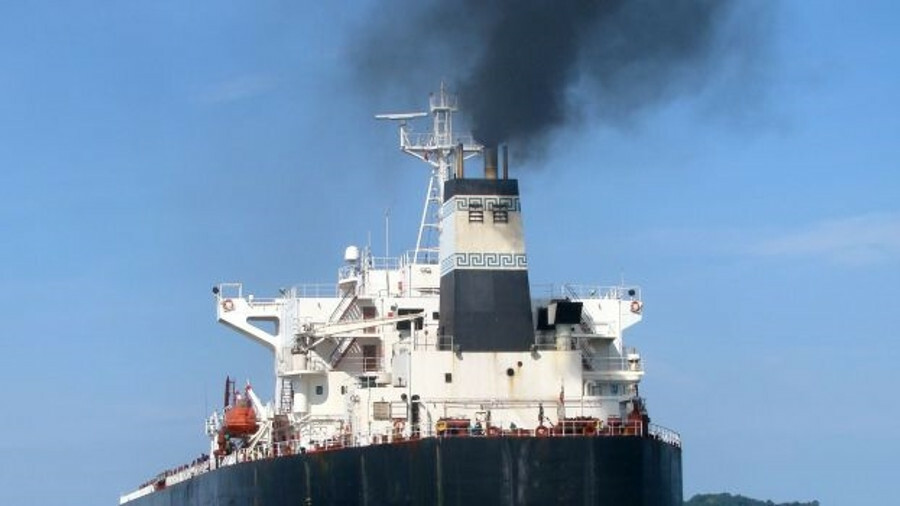
South Korean public financing institutions have downplayed the impact of liquefied natural gas (LNG) on climate change, according to climate activist group Solutions for Our Climate (SFOC), who claimed otherwise.
The greenhouse emissions occur throughout the LNG value chain from extraction to liquefaction, transportation, regasification, and consumption, said the SFOC.
Youn Se-jong, Climate Finance Program Director at SFOC, said it is insufficient to review LNG emissions simply at the consumption stage.
Youn pointed out that with 46 percent of Korea’s oil and gas public financing going to projects for drillships, offshore plants, and transportation vessels, up to 45 percent of greenhouse gases are emitted before reaching end-user facilities.
He noted that in the LNG production cycle alone, the pollutants are carbon dioxide and methane.
\South Korean institutions financed a combined $82 billion in the upstream and midstream oil and gas processes before the actual end-stage for power consumption, from 2011 to 2020.













