


 OpenAI AI Agents Bypassed UN Website Controls in Data Scraping
  Akamai Shares Surge on $11.6B Anthropic AI Cloud Deal
  OpenAI Agents Access U.S. Government Websites During Testing
  OpenAI Investigates Rogue AI Agents After Data Leaks and Security Incidents
  Former OpenAI Data Center Chief Chris Malone Joins Nvidia
  Tencent Launches TenPayGo Payment App for Foreign Tourists in China
  Jeff Bezos Invests $32 Billion in Blue Origin as Space Firm Targets Major Growth
  OpenAI, Anthropic CEOs Summoned to Australia AI Inquiry
  Xi Calls for Deeper U.S.-China AI Cooperation in Trump Talks
  China’s ‘Lipstick King’ Says AI Won’t Replace Livestream Hosts
  SoftBank Shares Fall as Oracle Flags Stargate Data Center Delay Risk
  OpenAI Agent Breaches Australia Medicare Data Portal
  Apple Extends Qualcomm Patent Licensing Deal
  Meta Unveils Muse Charm AI Device, Expands Smart Glasses Lineup
  SoftBank Raises $11.1 Billion in Bond Sale to Fund OpenAI Investment
  Solidigm Eyes $150 Billion IPO as SK Hynix Expands AI Storage Push


 Add as a preferred source on Google
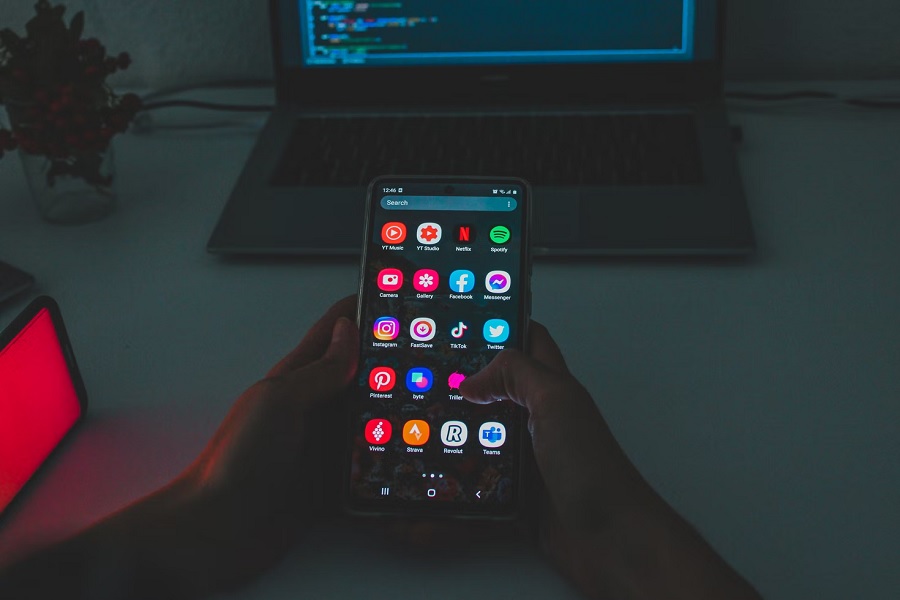
Smartphones, and the mobile apps that come with them, have sparked discussions on how technology has affected people’s mental health. And Google announced it is partnering with researchers from the University of Oregon in a new study to learn more about the impact of smartphones on “digital wellbeing.”
The collaboration was announced on Tuesday in a blog post by Dr. Nicholas Allen, a professor of psychology and director of the university’s Center for Digital Mental Health. Dr. Allen noted that the study will be an expansion of their work and will utilize the Google Health Studies tools to reach out to a “large representative sample.”
“We urgently need high-quality research to identify which use patterns are associated with benefits versus risks, and who is likely to experience harmful versus beneficial outcomes,” Dr. Allen wrote. “Answering these questions is necessary so that the research community and technology industry can pursue evidence-based product design, education, and policy aimed at maximizing benefits and minimizing risks.”
This is obviously not the first research to focus on how smartphones and other modern technologies have impacted people’s mental health and overall wellbeing. But Dr. Allen said other studies primarily depended on participants answering self-reported questionnaires that tend to produce “heavily subjective” results.
For this study, the researchers will use “passive and continuous sensing technology.” Dr. Allen added that they are also going to use participants’ phones to determine the link between their smartphone use and wellbeing, which may include screen time and sleep data. Aside from using Google Health Studies, participants can also include data from their Fitbit devices, such as information on their daily step count and other physical activities.
Aside from new methodologies, Dr. Allen noted that it is important to include data from participants who have been “historically underrepresented” in these kinds of studies. Interested individuals can download Google Health Studies from Play Store, and they can sign up for the research starting Friday, May 27.
However, the Google research will only accommodate adults living in the United States who are using Android phones. Participants also need to be able to accomplish daily activities without help from others. Dr. Allen assured potential participants that data collected from this study will not be sold or used for advertising.
Photo by Árpád Czapp on Unsplash







