


 SpaceX Updates Starlink Privacy Policy to Allow AI Training as xAI Merger Talks and IPO Loom
  SpaceX Reports $8 Billion Profit as IPO Plans and Starlink Growth Fuel Valuation Buzz
  SpaceX Prioritizes Moon Mission Before Mars as Starship Development Accelerates
  Sam Altman Reaffirms OpenAI’s Long-Term Commitment to NVIDIA Amid Chip Report
  Nvidia Confirms Major OpenAI Investment Amid AI Funding Race
  Elon Musk’s Empire: SpaceX, Tesla, and xAI Merger Talks Spark Investor Debate
  Instagram Outage Disrupts Thousands of U.S. Users
  Nvidia CEO Jensen Huang Says AI Investment Boom Is Just Beginning as NVDA Shares Surge
  Tencent Shares Slide After WeChat Restricts YuanBao AI Promotional Links
  Nvidia, ByteDance, and the U.S.-China AI Chip Standoff Over H200 Exports
  SoftBank and Intel Partner to Develop Next-Generation Memory Chips for AI Data Centers
  Jensen Huang Urges Taiwan Suppliers to Boost AI Chip Production Amid Surging Demand
  Google Cloud and Liberty Global Forge Strategic AI Partnership to Transform European Telecom Services
  Elon Musk’s SpaceX Acquires xAI in Historic Deal Uniting Space and Artificial Intelligence
  Nintendo Shares Slide After Earnings Miss Raises Switch 2 Margin Concerns


There was a recent report that Google was apparently tracking user locations even when they have disabled location tracker on their devices. This was then picked up by other publications, thus spreading the narrative that the search engine giant knows where users are whether they want to be found or not. On the other hand, there are also publications saying that this is simply not the case and the original report was wrong.
The news that Google was supposedly collecting data on users’ locations was first broken by Quartz. According to the publication, even when users turn off their location tracker, not use any apps, or even have no SIM card inserted in their devices, the search engine company could still know their location.
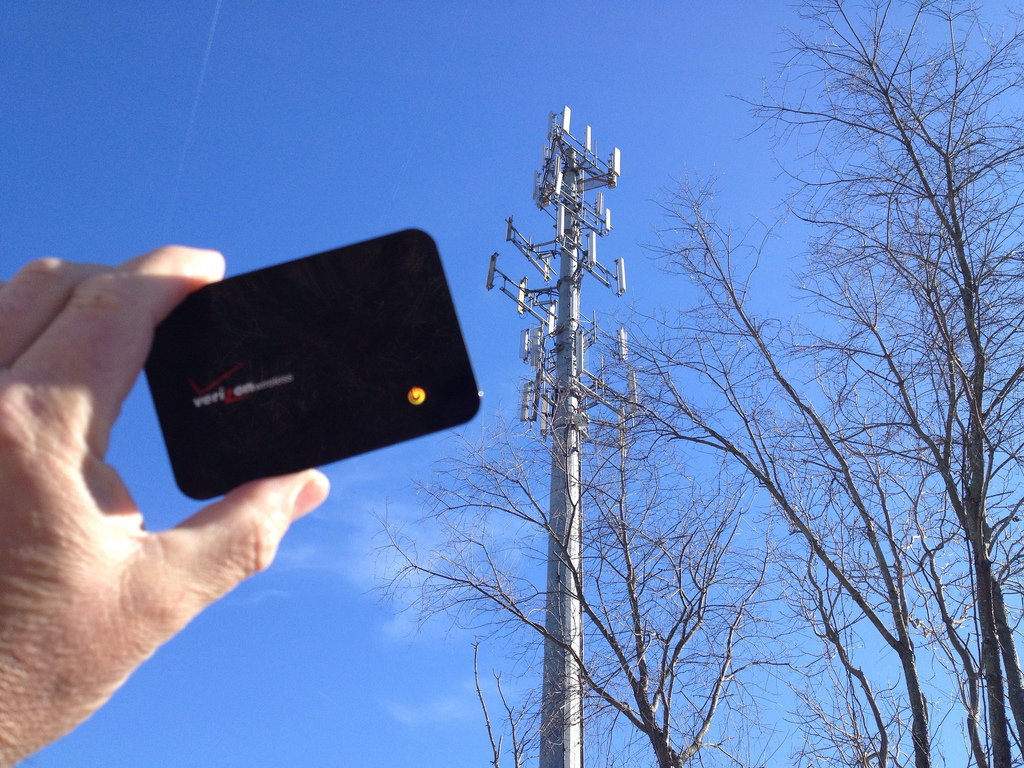
Apparently, this was due to the cell towers that receive the signals of their phones, which would then send it to Google. In response, a Google spokesperson told Quartz via email that this has been the case for the past 11 months and the information was never actually stored. Furthermore, the practice is set to end by the end of November.
“In January of this year, we began looking into using Cell ID codes as an additional signal to further improve the speed and performance of message delivery,” the email reads. “However, we never incorporated Cell ID into our network sync system, so that data was immediately discarded, and we updated it to no longer request Cell ID.”
Not everyone sees this development the way Quartz does, however, as Mashable published its own take on the matter. According to the publication, Google was not actually tracking the location of users with the data collected by the cell towers.
The difference reportedly hinges on the matter of the Cell ID being collected, which apparently does not engage GPS. As a result, Google could not use the information to find out the coordinates of the users. What’s more, a Google spokesperson also told Mashable that the Cell ID is encrypted is discarded immediately after receiving it.













