


 Nintendo Shares Slide After Earnings Miss Raises Switch 2 Margin Concerns
  Baidu Approves $5 Billion Share Buyback and Plans First-Ever Dividend in 2026
  Anthropic Eyes $350 Billion Valuation as AI Funding and Share Sale Accelerate
  SpaceX Reports $8 Billion Profit as IPO Plans and Starlink Growth Fuel Valuation Buzz
  Oracle Plans $45–$50 Billion Funding Push in 2026 to Expand Cloud and AI Infrastructure
  Nvidia, ByteDance, and the U.S.-China AI Chip Standoff Over H200 Exports
  Google Cloud and Liberty Global Forge Strategic AI Partnership to Transform European Telecom Services
  SoftBank and Intel Partner to Develop Next-Generation Memory Chips for AI Data Centers
  OpenAI Expands Enterprise AI Strategy With Major Hiring Push Ahead of New Business Offering
  SpaceX Updates Starlink Privacy Policy to Allow AI Training as xAI Merger Talks and IPO Loom
  Tencent Shares Slide After WeChat Restricts YuanBao AI Promotional Links
  Global PC Makers Eye Chinese Memory Chip Suppliers Amid Ongoing Supply Crunch
  SoftBank Shares Slide After Arm Earnings Miss Fuels Tech Stock Sell-Off
  Instagram Outage Disrupts Thousands of U.S. Users
  SpaceX Prioritizes Moon Mission Before Mars as Starship Development Accelerates
  Nvidia Nears $20 Billion OpenAI Investment as AI Funding Race Intensifies


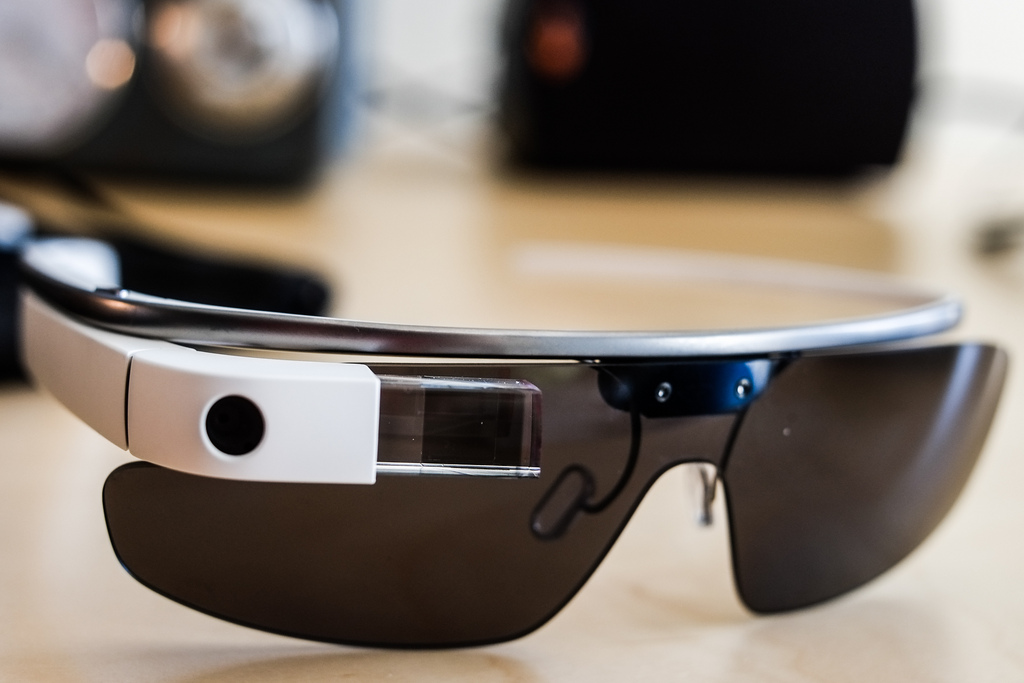
When the Google Glass first came out, it was supposed to be the next iteration of awesome wearable technology with augmented reality capabilities. Unfortunately, it was quickly labeled as something only nerds would wear courtesy of some truly unflattering images by users. Now, the headset is making a comeback to be used in factories instead.
For those who were never really into the whole Google Glass thing when it was taking off a few years ago, it is a smart wearable device that allows for AR and internet access without the need for phones. With its heads-up display, users can search for things on the web, take photos or videos, and even play games. This time around, it’s being used by companies like Boeing and GE, WIRED reports.
Officially dubbed Google Glass Enterprise Edition (EE), it was the work of a secret initiative within Alphabet as a work-specific product after the demise of the mass-consumer version. According to data, companies that have been using the product have seen a marked improvement in productivity as well as huge jumps in the quality of results.
As to how it even works, Glass basically provides workers with the information that they need in real-time during work hours, thus saving them a lot of time and effort. By having both hands free, workers can also accomplish tasks while searching for necessary information or speaking to someone through the wearable, thus providing more efficiency.
Glass EE also comes with quite a few improvements as well, including better battery life and camera quality, The Verge notes. More than anything else, this development is indicative of Google having the wrong target crowd when the product first launched. It was always going to be used best by factory workers, manufacturers, or desk employees.













