


 Fed Rate Hike Threatens Housing as U.S. Growth Leans on AI, Citi Says
  Synthetic data could ease people’s concerns about privacy breaches. But who gets to create it?
  Strait of Hormuz Oil Shipments Hit Six-Month High as U.S. Clears Mines
  AI is supercharging money scams – here’s what you can do to protect yourself
  Canada Eyes India Trade Deal by Year-End
  U.S. Stock Futures Rise Ahead of Trump-Xi Summit, Middle East Risks Weigh
  Oil Prices Tumble on U.S.-Iran Diplomacy Hopes, Supply Relief
  Canada Unveils Bill to Fast-Track Major Resource Projects
  Gold Prices Slip as Strong Dollar and Hawkish Fed Pressure Bullion
  Wall Street Mixed as Treasury Yields Rise After Fed Hike
  Hawkish Fed Fuels Gold Sell-off: Gold Dives Below $4300 Amidst Rate Hike Fears


 Add as a preferred source on Google
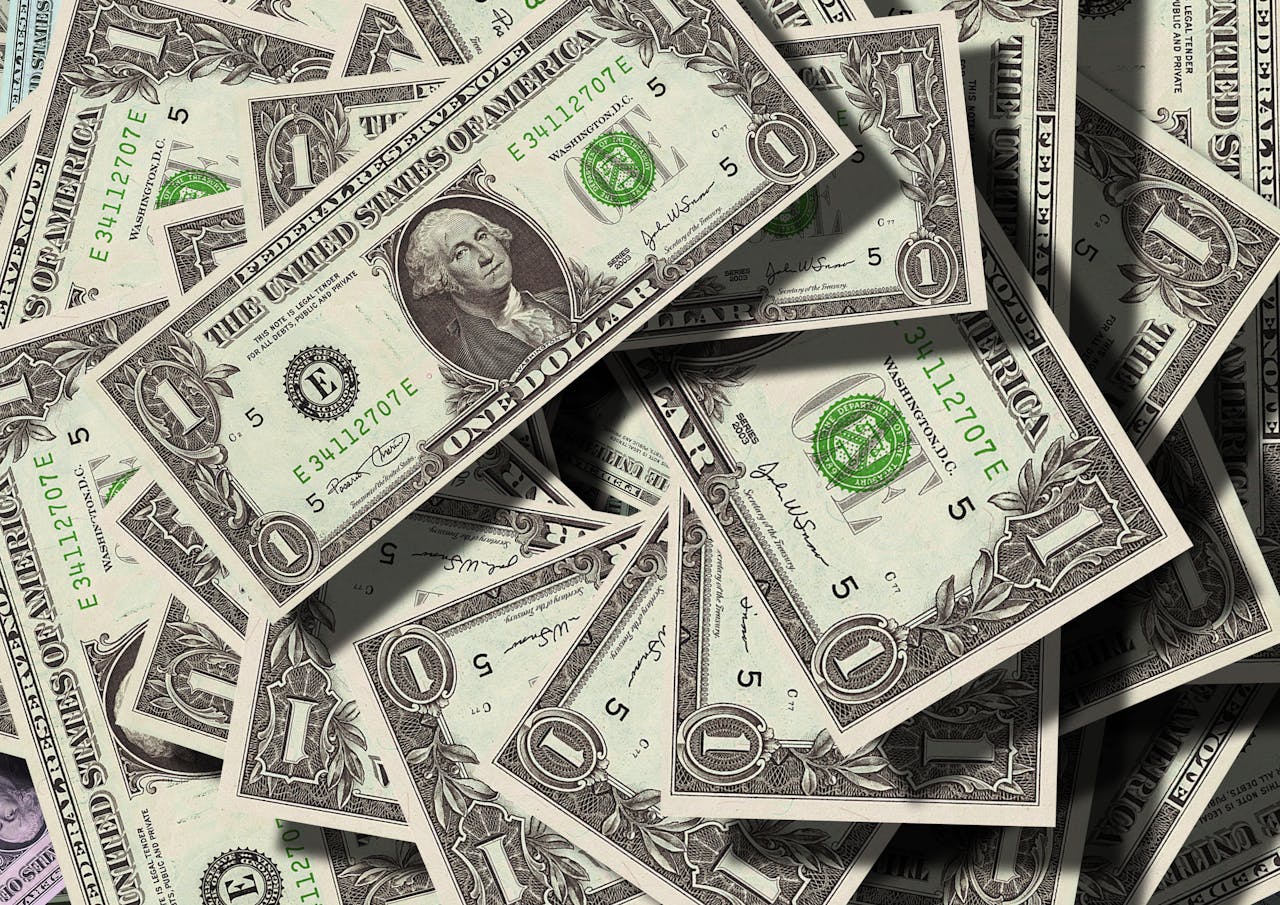
The U.S. dollar is expected to remain well-supported in the near term despite the recent decline in oil prices, according to a new Goldman Sachs analysis. While lower crude prices have eased concerns about a severe global energy shortage, analysts believe several key factors continue to favor the greenback.
Goldman Sachs noted that falling oil prices have helped reduce expectations of a major divergence in global economic growth. This shift has also tempered market speculation about additional Federal Reserve interest rate hikes ahead of the upcoming policy meeting. As a result, investors are placing a smaller premium on the possibility of further monetary tightening by the U.S. central bank.
Despite these developments, the investment bank maintains a constructive outlook on the U.S. dollar. Analysts highlighted two major themes supporting the currency: the ongoing artificial intelligence (AI) investment boom and persistent disruptions in global energy markets. These factors continue to strengthen the relative position of the U.S. economy compared to many of its global peers.
The report emphasized that the United States remains less vulnerable to the economic impact of energy supply disruptions than other major economies. This advantage has helped underpin the dollar even as markets react to headlines involving potential ceasefire negotiations and developments surrounding the Strait of Hormuz, a critical global oil shipping route.
Goldman Sachs also pointed out that expectations of a smaller-than-feared oil supply shortfall have helped contain volatility across foreign exchange markets. Earlier this year, currency movements were largely driven by global factors such as commodity prices and equity market performance. More recently, however, domestic factors—including interest rate differentials—have played a greater role in shaping currency valuations.
According to the bank, a less severe commodity shock would reduce the likelihood of significant economic divergence among major nations, limiting the potential for sharp swings in foreign exchange markets. Nevertheless, ongoing uncertainty in energy markets continues to provide underlying support for the U.S. dollar.
The report concluded that as long as negotiations continue and the Strait of Hormuz remains only partially operational, the dollar is likely to stay resilient, even if a broader geopolitical agreement appears increasingly likely.







